What is Sangiovese wine? It is red wine made mostly or entirely from Sangiovese, central Italy's great native grape, and in Chianti Classico it is the backbone of every bottle: the rules require at least 80 percent, and many producers use nothing else. Expect a medium-bodied red with bright acidity, firm tannins and flavors of sour cherry, violets and dried herbs.
Chianti Classico is the best place to understand it, because the grape changes noticeably from one village to the next. This guide stays in those hills between Florence and Siena: what the wine tastes like, what the label tells you and how Radda, Gaiole and Castellina differ.
What Sangiovese wine tastes like in Chianti
A young Chianti Classico smells of red fruit and flowers: cherry, raspberry, violet, sometimes a hint of orange peel. In the mouth it is dry and fresh, with acidity that makes your mouth water and tannins that grip without being heavy. The finish is often savory, with herbs and a slight bitterness, which is exactly why it works at the table.
With a few years in bottle, the fruit softens toward dried cherry and the savory side takes over: leather, earth, tobacco, forest floor. A good Chianti Classico Riserva or Gran Selezione can evolve for many years, but even simpler bottles reward a little patience.
Serve it slightly cool, rather than at warm room temperature, and with food. Sangiovese tastes thin and sharp on its own to some drinkers, then comes alive with a plate of pasta with tomato sauce, grilled meat or aged pecorino.
Why Sangiovese dominates the Chianti Classico hills
Sangiovese is native to central Italy and suits the hills of Chianti Classico: an inland area with hot summers, cool nights and vineyards spread across slopes at different heights. The grape ripens late and needs a long season, and the hills give it the time.
The rules have followed the growers. According to the consortium, pure Sangiovese has been permitted since 1996, and since 2006 only red grapes may be used, ending the old practice of adding white varieties. Today the production code allows 80 to 100 percent Sangiovese, with the rest from authorized red grapes, both native ones such as Canaiolo and Colorino and international ones such as Merlot.
Chianti Classico (annata)
At least 80 percent Sangiovese and a minimum of 12 months of aging. The everyday expression, fresh and food-friendly.
Riserva
The same grape rules, with at least 24 months of aging, including 3 in bottle. More depth and structure.
Gran Selezione
At least 90 percent Sangiovese, made only from the estate's own grapes, with a minimum of 30 months of aging.
Radda, Gaiole and Castellina: terroir in the glass
Chianti Classico is divided into eleven Unità Geografiche Aggiuntive, or UGAs, village areas recognized in 2021 that can appear on the label. They were introduced to show how much the wine changes across the denomination, and three of them lie close together in the heart of the area.
Two soils come up again and again. Galestro is a flaky, crumbly marl, most common on the higher slopes; alberese is a harder, limestone-rich stone more often found lower down. Wines from galestro are often described as more perfumed and taut, those from alberese as fuller and firmer, though altitude and exposure matter just as much.
Radda
Among the highest vineyards in the denomination, largely on galestro. The wines tend to be fragrant and lively, with sharp acidity and a lean frame.
Gaiole
A large, varied UGA where altitude shapes the wines more than anything else. Higher sites give tense, mineral wines; lower ones more warmth and body.
Castellina
A mix of galestro on higher ground and alberese on the mid slopes, giving a range from fine, floral wines to rounder, more generous ones.
How to taste the difference
Reading about terroir only goes so far. The quickest way to see it is to pour two Chianti Classico wines of the same vintage and tier side by side, one from Radda and one from Castellina or Castelnuovo Berardenga, and compare color, aroma and the feel of the acidity.
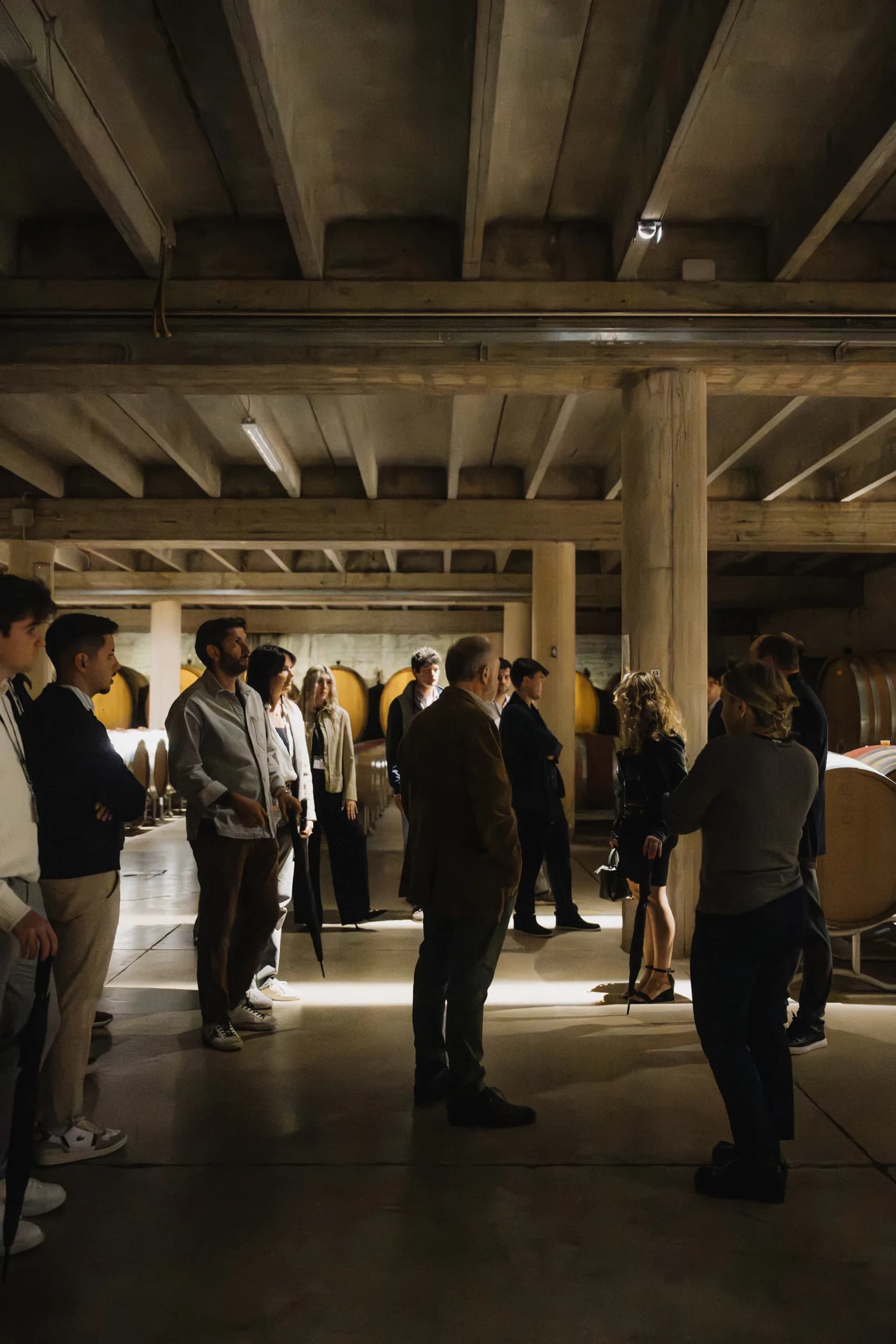
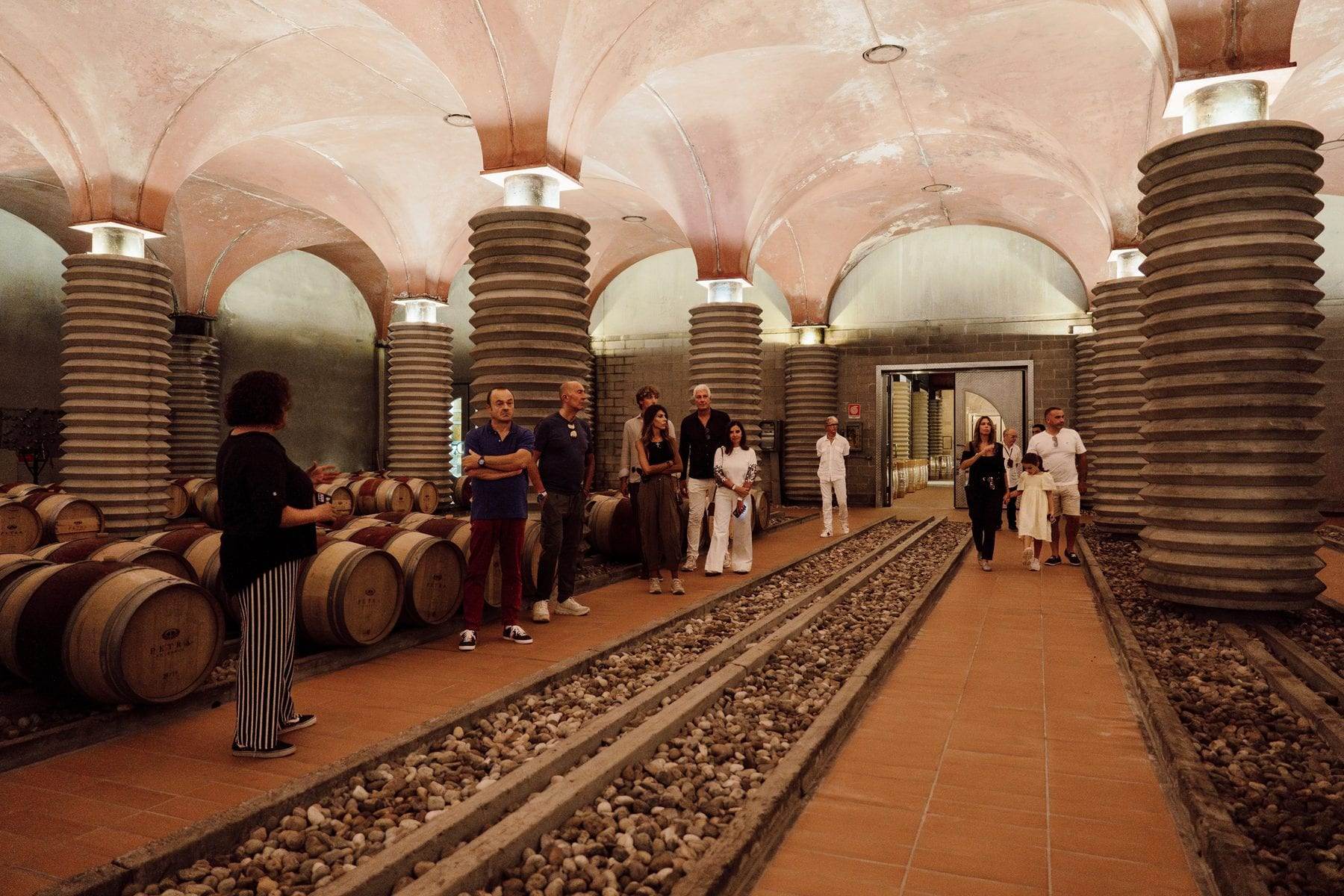
Visiting helps even more. Standing in a vineyard, you see the stones in the soil, feel the altitude and understand why two estates a few miles apart make such different wines. Most serious producers receive visitors by appointment, so plan ahead.
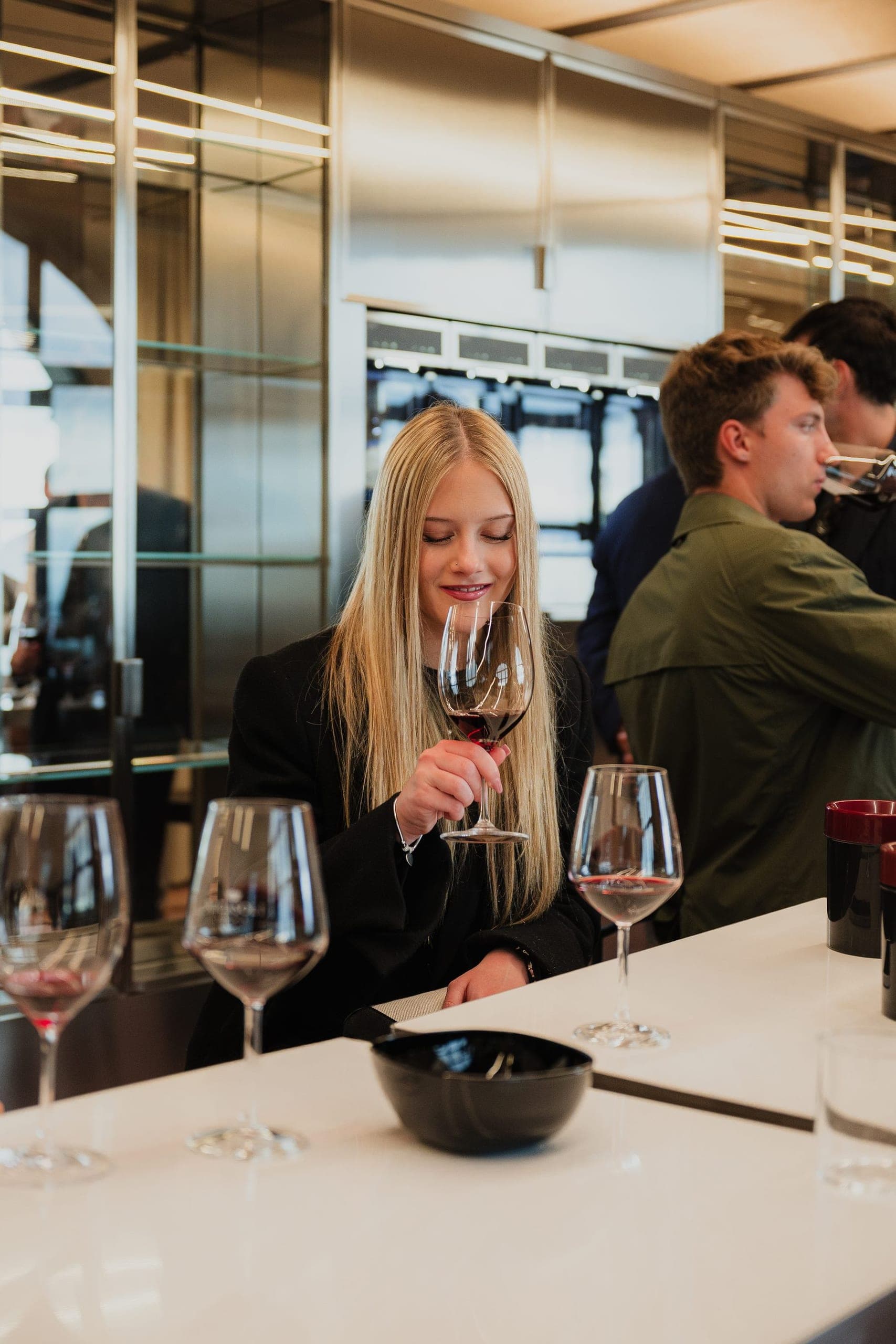
When you taste, look for the same few things each time. Color: Sangiovese is usually a lighter, more translucent ruby than many New World reds. Nose: is the fruit fresh and red, or darker and riper? Palate: how sharp is the acidity, and do the tannins feel fine or rustic? Note those answers next to the village name, and after a few glasses the patterns start to appear.
Read the label too. Chianti Classico bottles carry the black rooster seal of the denomination, and the tier, Riserva or Gran Selezione, is printed on the front. Do not confuse it with plain Chianti, a separate, much larger denomination with its own rules.
Sangiovese at the source
Once you know what to look for, every glass of Chianti Classico tells you something about where it grew. The grape is the constant; the hill is the variable.
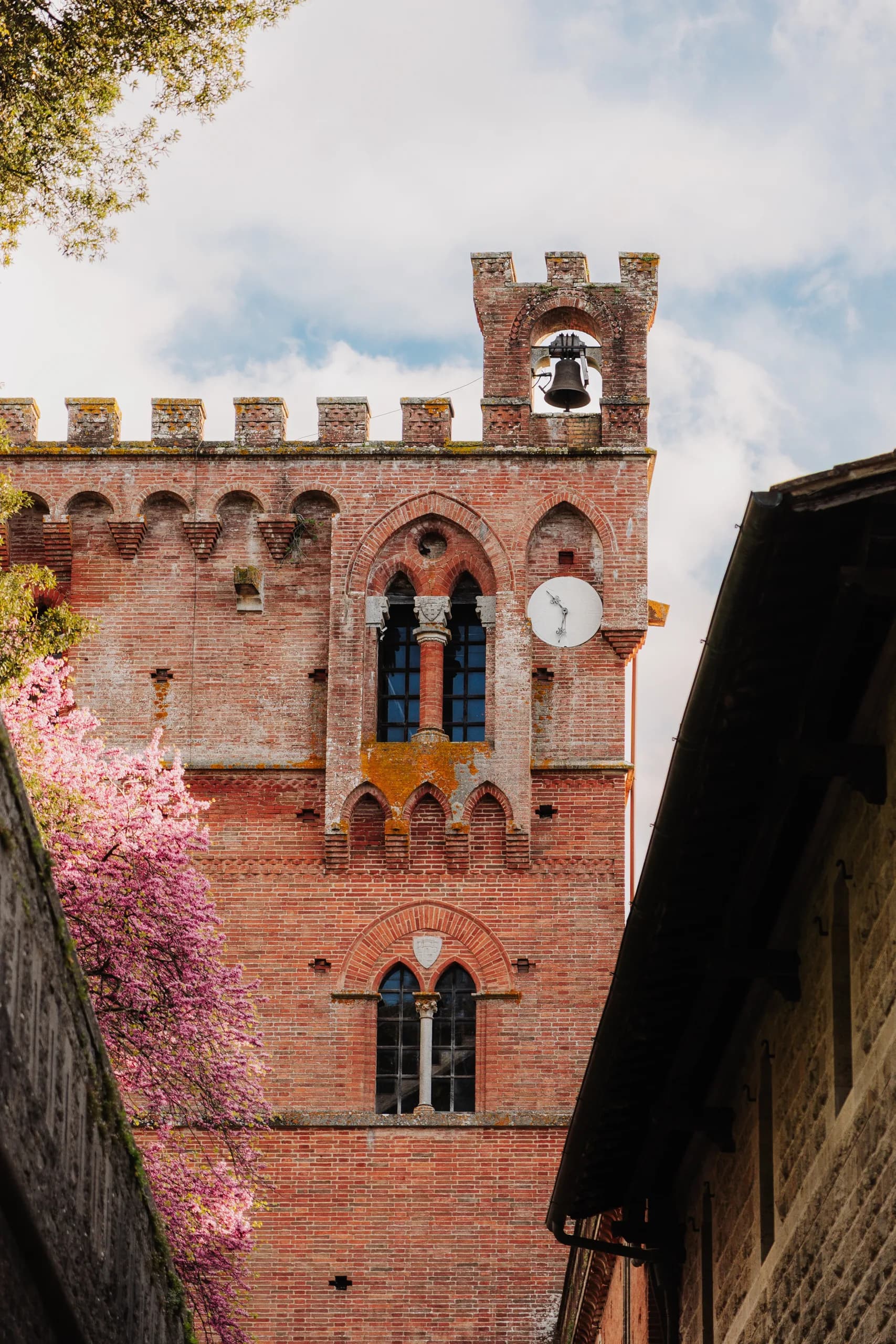
Rocca d'Italia organizes private chauffeur days in Chianti Classico, with a tasting and lunch at Castello di Brolio, near Gaiole, or at Brolio and Castello di Radda in one day, which makes the comparison easy. We reply with a proposal within about 48 hours.
Questions about Sangiovese wine
What is Sangiovese wine?
It is red wine made mainly or entirely from Sangiovese, central Italy's most important red grape. Chianti Classico, Brunello di Montalcino and Vino Nobile di Montepulciano are all based on it.
How much Sangiovese is in Chianti Classico?
At least 80 percent, and up to 100 percent. Gran Selezione, the top tier, requires at least 90 percent Sangiovese.
Is Sangiovese dry or sweet?
Sangiovese wines are dry. Their fruit is red and tart rather than sweet, with high acidity and firm tannins that suit savory food.
What does Sangiovese taste like?
Sour cherry, red berries, violet and dried herbs when young, moving toward dried fruit, leather and earth with age. In Chianti Classico it is usually medium-bodied and fresh.
What food goes with Sangiovese wine?
Tuscan food: pasta with tomato or meat sauces, grilled steak, roast meats, mushrooms and aged pecorino. Its acidity cuts through rich dishes.