Private tours and experiences in the Val d'Orcia
Italy's most photographed valley, driven properly: scenic roads, Renaissance villages and the twin hills of Brunello and Nobile.
- Private days, never shared
- Drive yourself or be driven
- A proposal within 48 hours
Why the Val d'Orcia
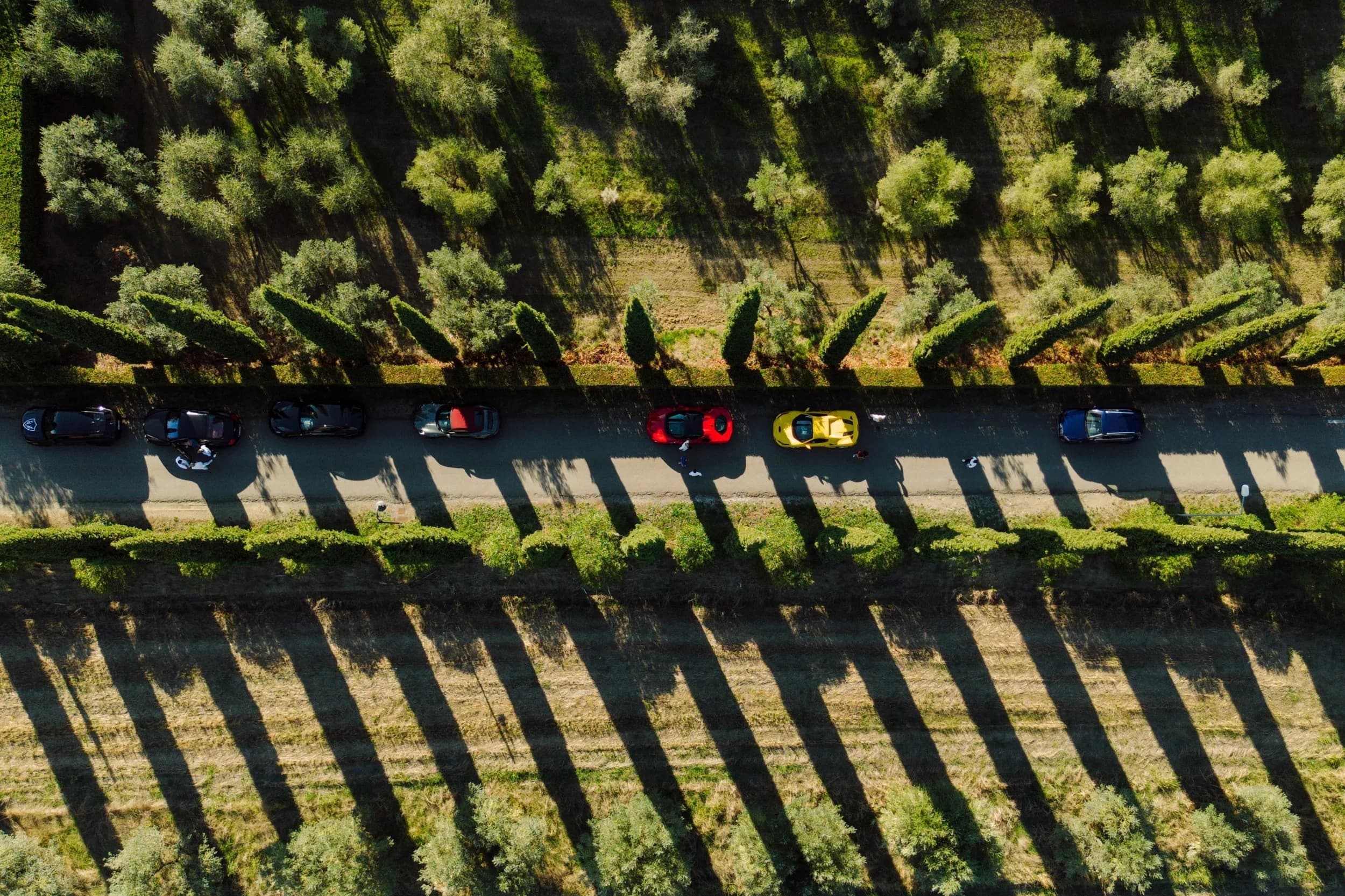
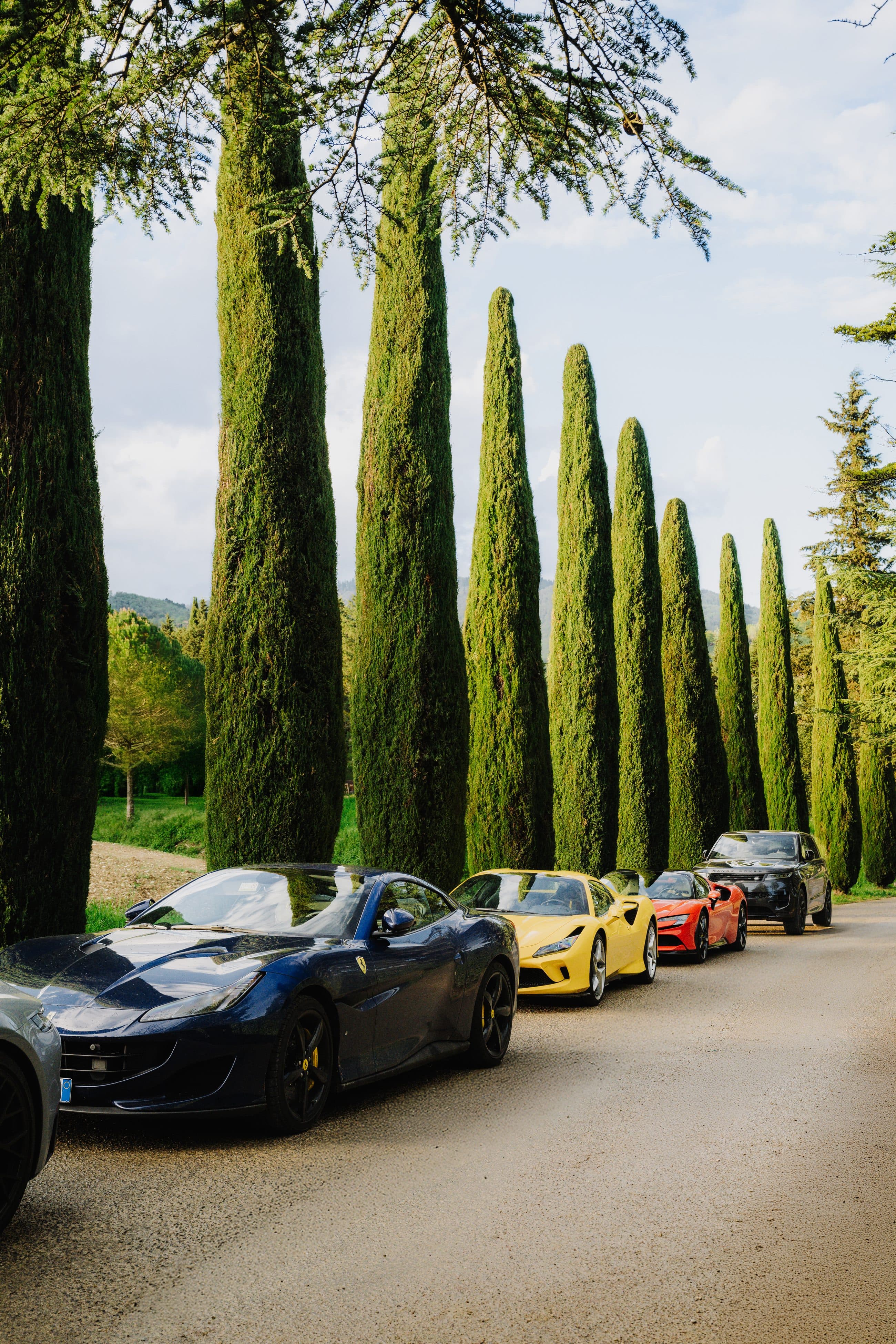
Rocca d'Italia runs private days in the Val d'Orcia departing from Siena or Florence: at the wheel of a supercar or a classic car, or with a private chauffeur for the days built around Brunello and Nobile. The routes take in San Quirico d'Orcia, Pienza, Bagno Vignoni, Montalcino and Montepulciano, and last a full day.
The Val d'Orcia has been a UNESCO World Heritage Site since 2004, and the reason for the listing explains exactly what you see through the window: this is not a natural landscape but a cultural one — a designed landscape. In the fourteenth and fifteenth centuries the Republic of Siena reorganized the valley as its agricultural hinterland, placing farmsteads along the ridges and roads along the contour lines. That geometry is still legible today, six centuries later.
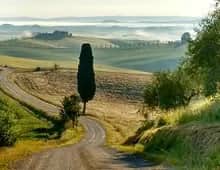
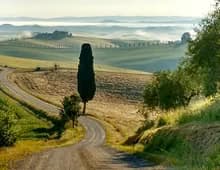
There is a second reason, and it has to do with painting. This is the landscape the Sienese of the Renaissance put behind their figures, until it became an aesthetic ideal that Europe would copy for centuries: rounded hills, a farmhouse on a ridge, a line of cypresses climbing toward it. When people say the Val d'Orcia looks like a painting, the cause and effect run the other way around.
For anyone driving, all of this comes down to one concrete thing: enormous sightlines. Clay will not hold woodland, so the hills are bare and the eye carries for miles. The roads follow the ridges rather than cutting across them, which means continuous curves and no blind straights. It is a small valley — you can cross it in an hour — and that is precisely why it should be driven slowly.
The valley in seven details
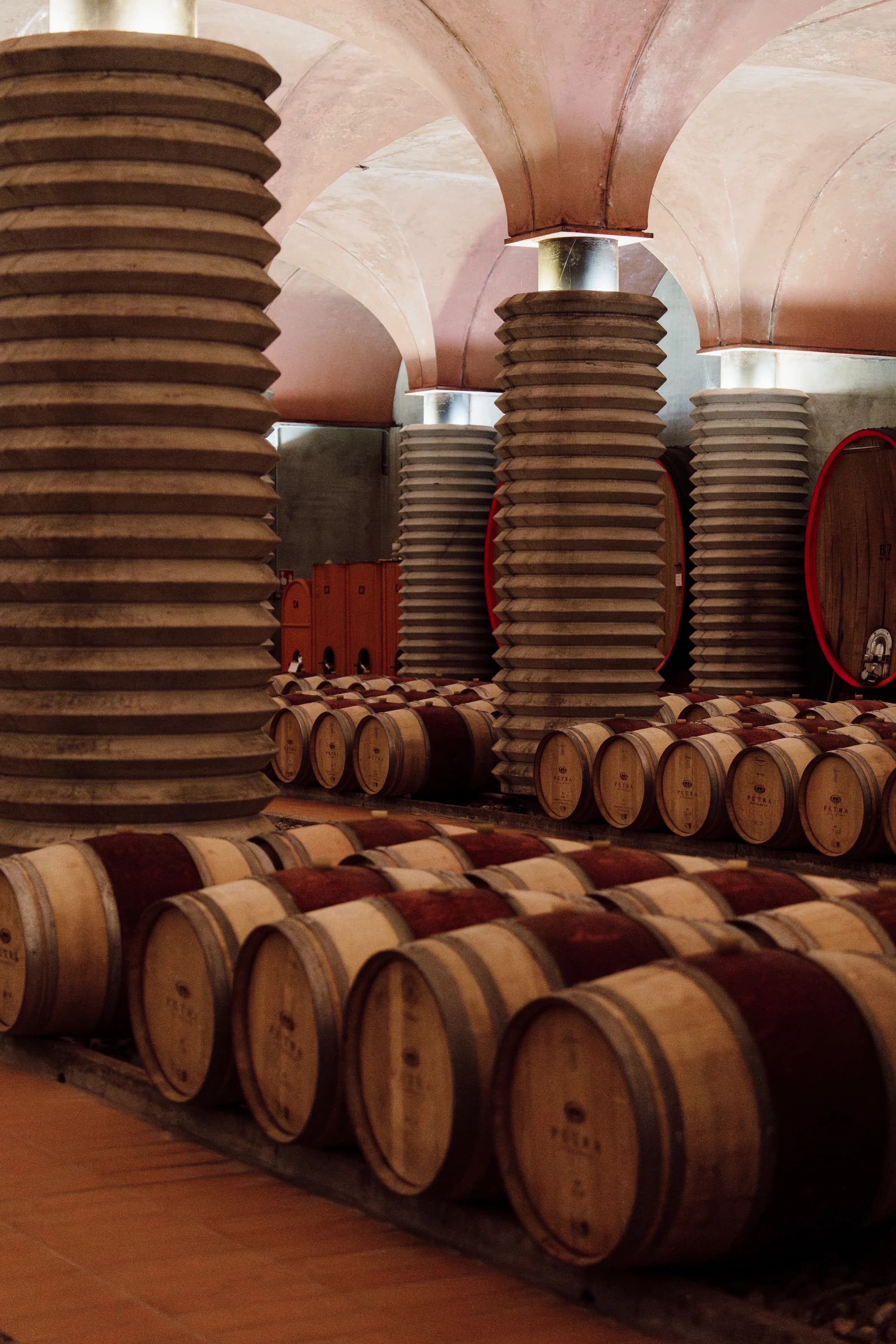
Days we design here
Private days at the wheel of a supercar or a classic car, or with a private chauffeur.
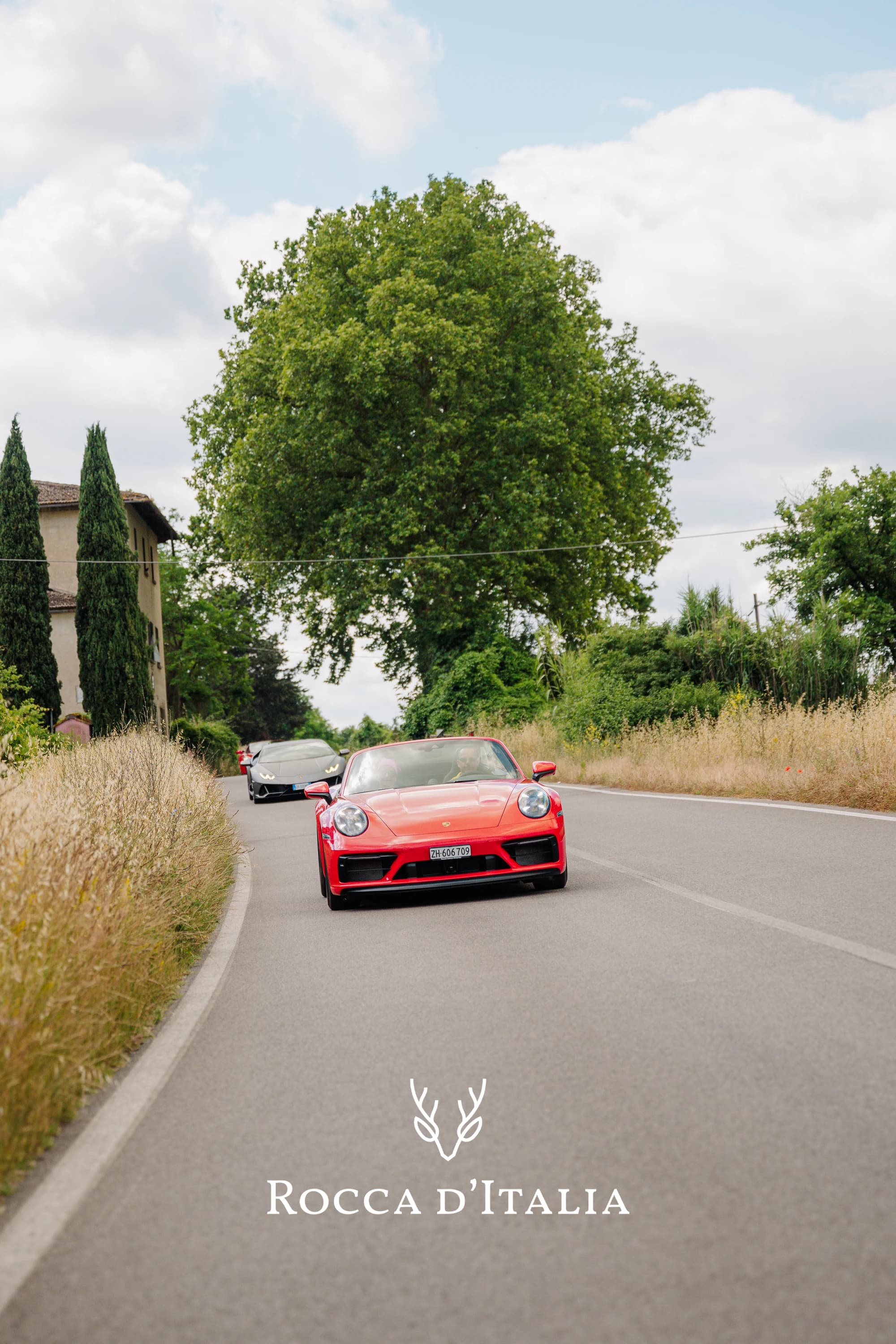 about 7 hours
The Roads of Val d'Orcia
Siena · San Quirico d'Orcia · Pienza · Bagno Vignoni · Siena
Explore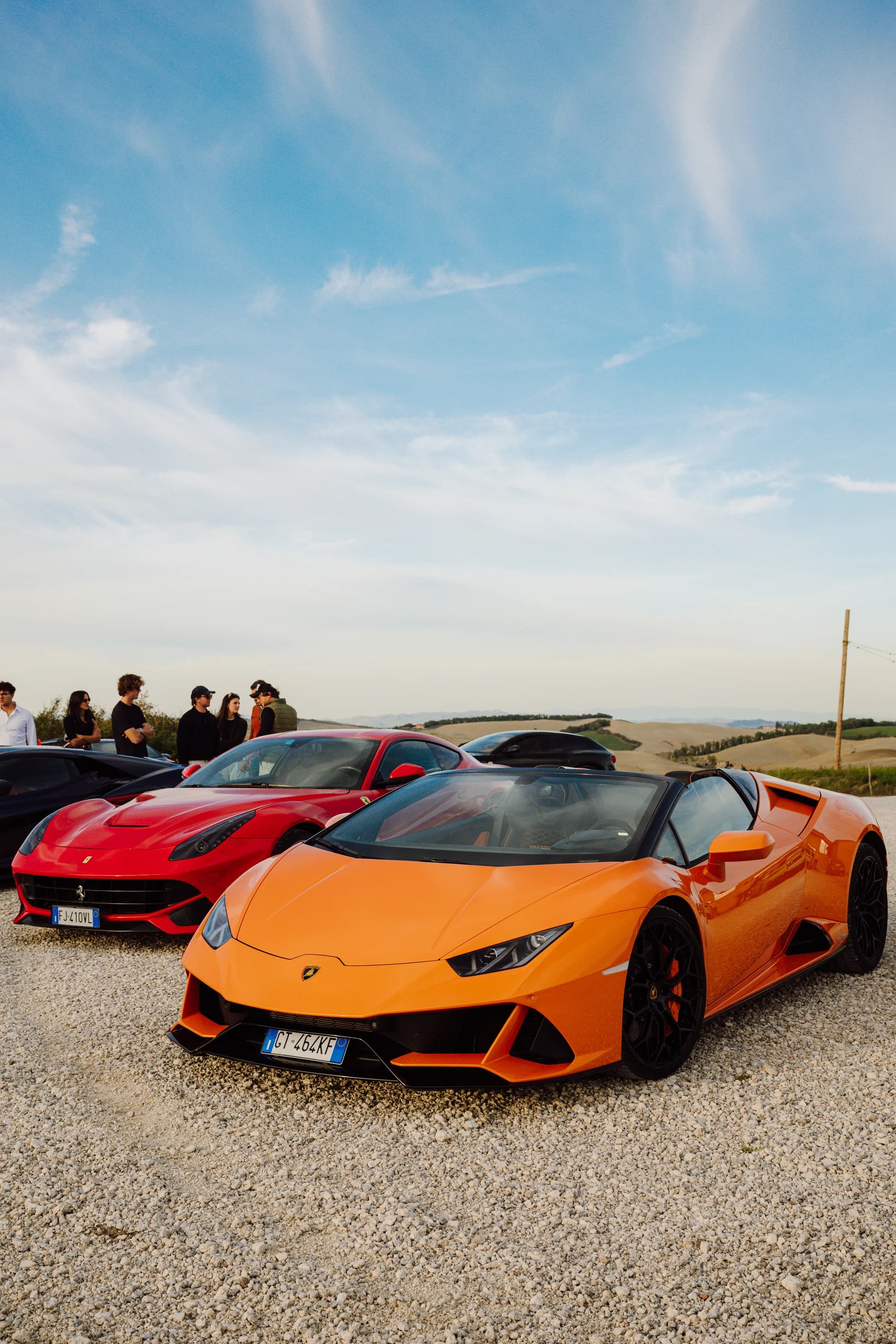 about 7 hours
The Brunello Road
Siena · Montalcino · Casanova di Neri · the roads of Sant'Antimo · Siena
Explore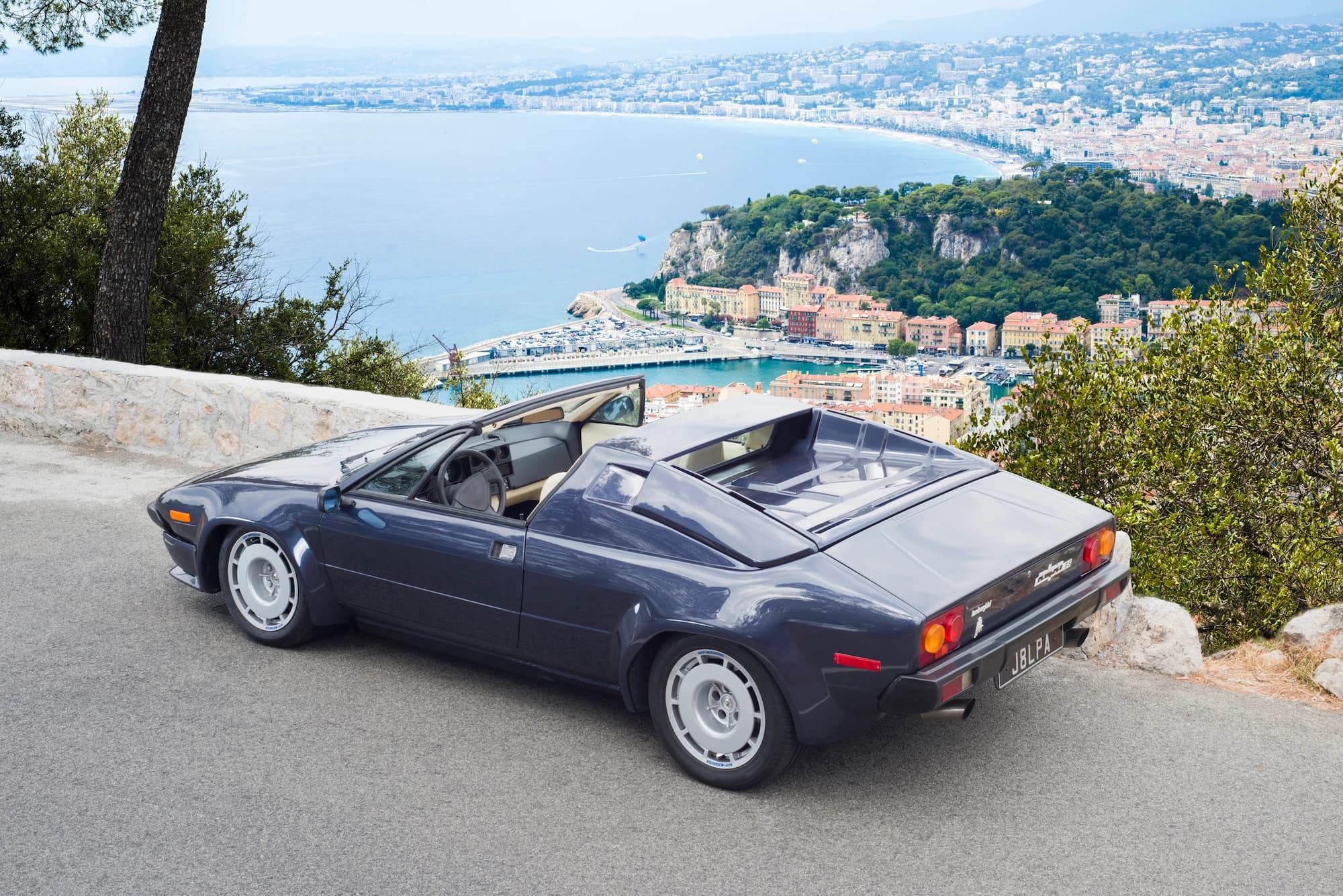 about 7 hours
Dolce Vita in Val d'Orcia
Siena · San Quirico d'Orcia · Pienza · Bagno Vignoni · Siena
Explore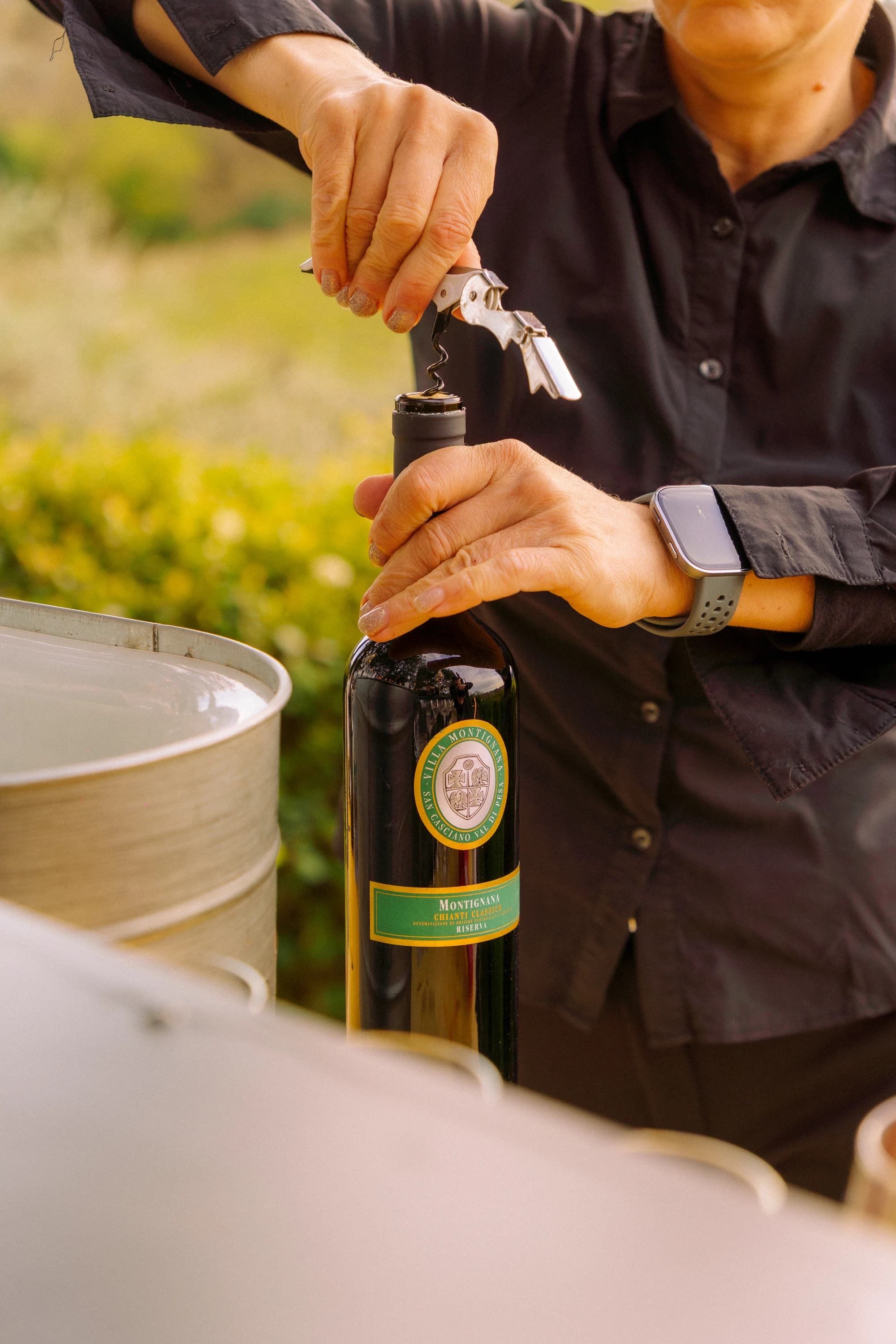 about 7 hours
Brunello at Casanova di Neri
Siena · Casanova di Neri · Montalcino · Siena
Explore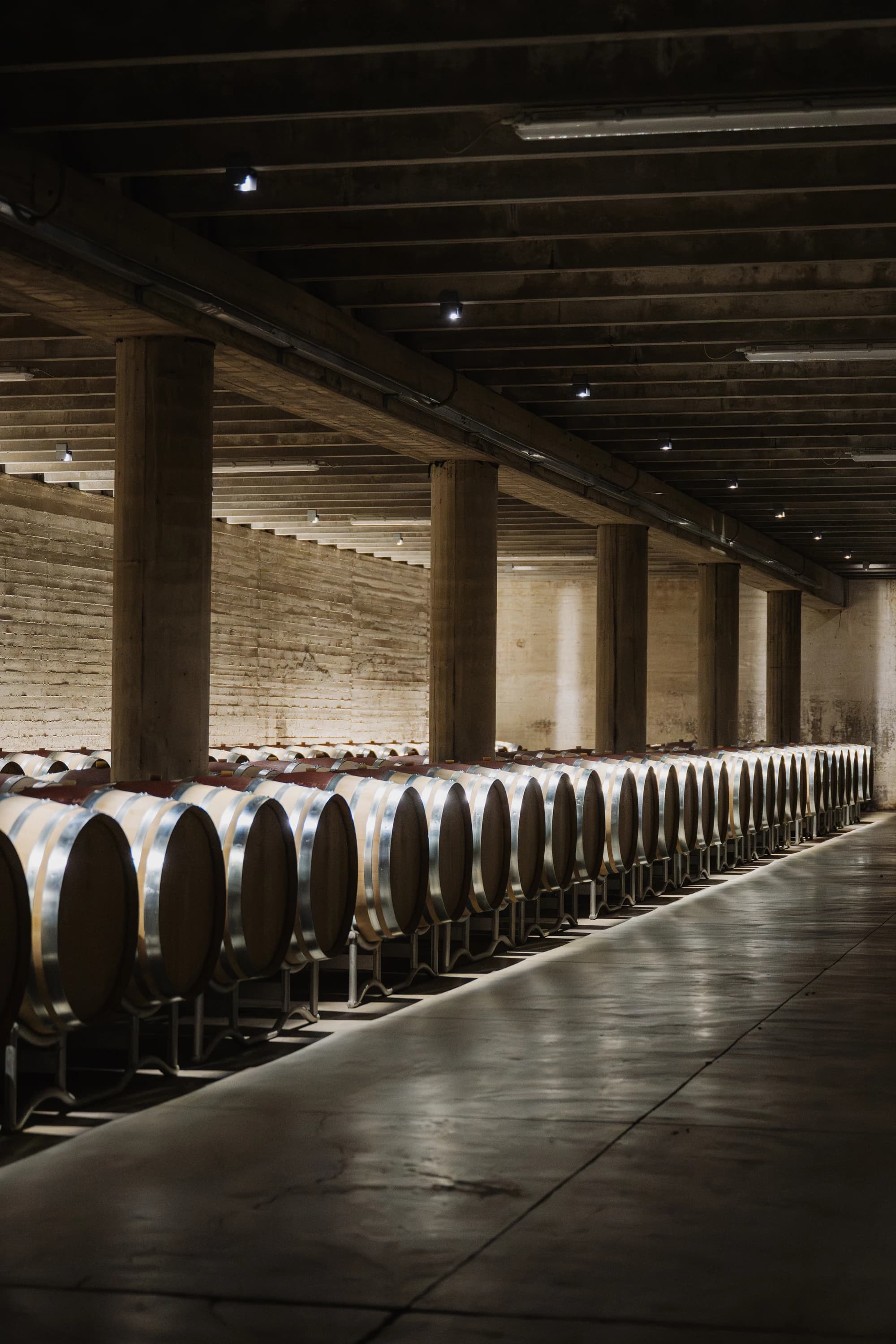 about 7 hours
Two Faces of Brunello
Siena · Col di Lamo · Casanova di Neri · Siena
Explore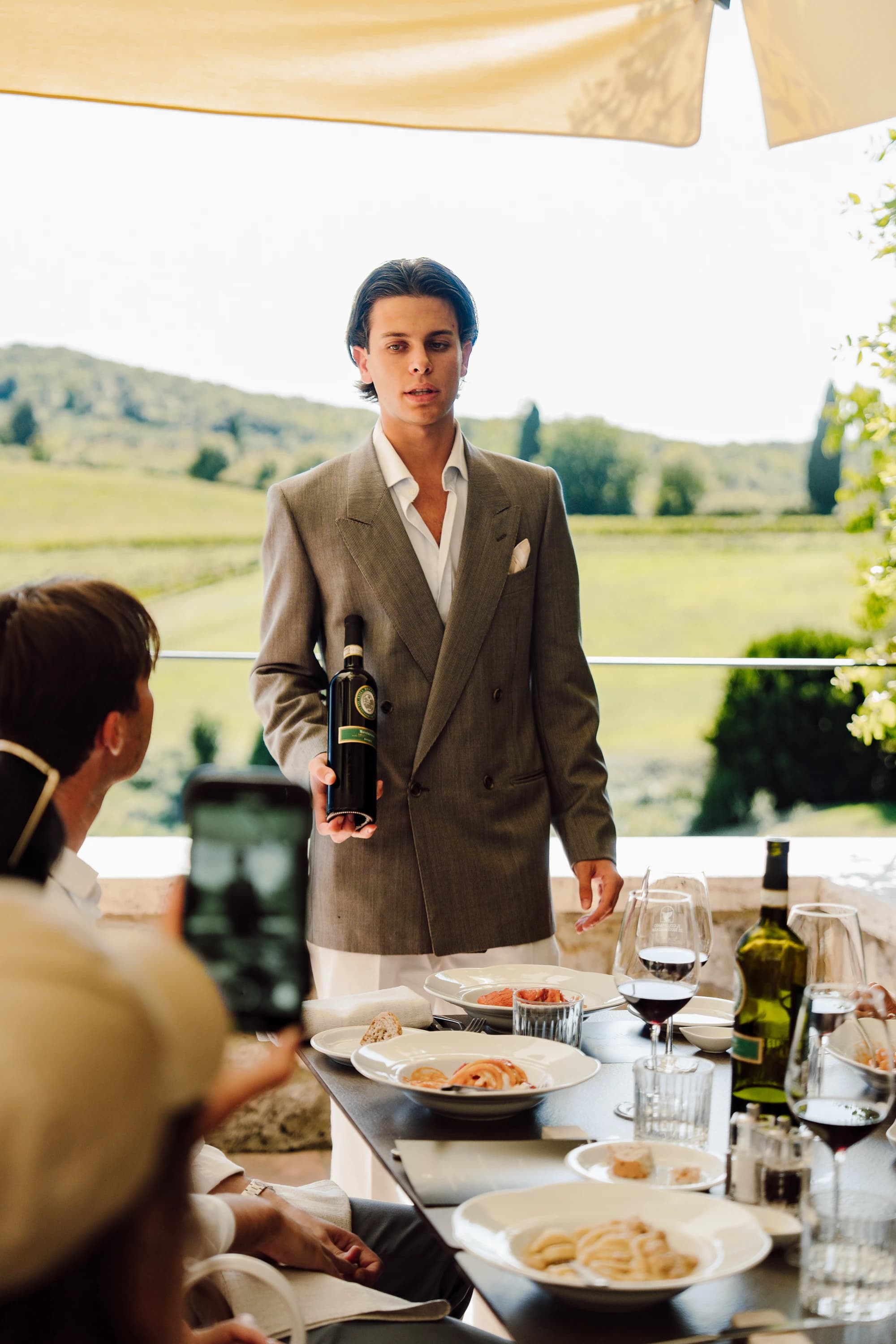 about 7 hours
Boscarelli & Vino Nobile
Siena · Boscarelli · Montepulciano · Siena
ExploreThe places
Six stops that fit into a single day, or two if you actually want to get out of the car.
The geographic center of the valley and a historic stop on the Via Francigena pilgrim road. Inside the walls are the Romanesque collegiate church and the Horti Leonini, a sixteenth-century formal garden open to the public. Just north, on a rise beside the Cassia, stands the most photographed group of cypresses in Italy.
In 1459 Pope Pius II commissioned Bernardo Rossellino to rebuild his birthplace as an ideal Renaissance city. The result was finished in three years: a trapezoidal square, the cathedral, the papal palace and an open view toward Monte Amiata. A World Heritage Site since 1996 — eight years before the valley around it.
A tiny village where the main square is not a square but a sixteenth-century thermal basin, fifty meters long and still full of hot water. Francigena pilgrims passed through, as did Saint Catherine and Lorenzo the Magnificent. You cannot get into the pool: you look at it, which is plenty.
The Brunello hill, with its fourteenth-century fortress on top and vineyards dropping away on every side. Six miles south, at the end of an olive valley, stands the Romanesque abbey of Sant'Antimo: travertine and alabaster that go nearly translucent in the afternoon sun.
The twin hill, home of Vino Nobile, stretched along a narrow steep ridge. The town climbs to Piazza Grande; just outside the walls stands the temple of San Biagio, a centrally planned church begun in 1518 to a design by Antonio da Sangallo the Elder, alone on a lawn at the end of a cypress avenue.
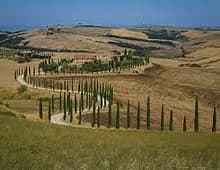
The two less-trodden ends of the valley. At Monticchiello the white gravel road climbs in switchbacks between cypresses — the one in half the photographs of the valley. At Radicofani, at the other end, a medieval fortress sits on a cone of volcanic rock at 800 meters: from up there you see the whole Val d'Orcia at once.
One team, from first idea to the road
Private, never shared
Every day is built for one group. No strangers, no fixed departures.
One local team
We live between Siena and the Val d'Orcia, and we answer the phone.
Driven before it's offered
We drive each route ourselves before offering it to anyone.
The questions we're asked most
Where is the Val d'Orcia?
In southern Tuscany, south of Siena, across the municipalities of San Quirico d'Orcia, Pienza, Castiglione d'Orcia, Radicofani and Montalcino. It is about forty minutes by road from Siena and an hour and a half from Florence.
How long do you need there?
One day is enough to cross it and stop in two villages. Two days add Montalcino and Montepulciano without rushing, and leave time to actually get out of the car.
Why is the Val d'Orcia a UNESCO site?
Since 2004, as a cultural rather than a natural landscape: the valley was reorganized by the Republic of Siena in the fourteenth and fifteenth centuries, and that agricultural structure is still legible. Pienza has been listed separately since 1996.
Can you drive a supercar in the Val d'Orcia?
Yes. Driving days depart from Siena or Florence, with pick-up and drop-off at the same point. The main roads are paved and wide; the white gravel roads are best avoided in a low-slung car.
When is the best time to come?
From mid-April to June the wheat is green, by June it turns gold, and after the autumn plowing the bare clay remains. In every season the first hours of the morning give the best light.
Keep exploring
Your Val d'Orcia, built around you
Send us dates and ideas: a tailored proposal within 48 hours.