Chianti Classico Riserva is a Chianti Classico DOCG red wine that has been aged for at least 24 months, including at least three months in bottle, before release. It is made from the same grapes and the same territory as the standard Chianti Classico, called Annata, but it spends longer in the cellar and is usually made from the producer's better lots. The result tends to be a deeper, more structured wine that can age for years.
Riserva is the middle of three quality categories in Chianti Classico: Annata at the base, Riserva in the middle and Gran Selezione at the top. Understanding what the word means, and what it does not mean, makes it much easier to choose a bottle from a wine list or a shop shelf.
What is Chianti Classico Riserva by law?
The rules are set by the production regulations of the Chianti Classico DOCG and summarized by the Consorzio Vino Chianti Classico, the producers' consortium with the black rooster on its seal. For the Riserva, the key requirements are a minimum aging of 24 months, of which at least three must be in bottle, and a minimum alcohol of 12.5 percent by volume. The aging clock starts on January 1 of the year after the harvest.
The grape rules are the same as for every Chianti Classico: at least 80 percent Sangiovese, with up to 20 percent of other authorized red grapes, which can include native varieties such as Canaiolo and Colorino and international ones such as Merlot. Many producers now make their Riserva from Sangiovese alone.
Chianti Classico, not just Chianti
Riserva exists in other Tuscan denominations too, including Chianti DOCG, which is a separate wine from a much larger area. Chianti Classico comes only from the historic zone between Florence and Siena, which includes the whole of Greve, Castellina, Radda and Gaiole. Its consortium, founded in 1924, protects the name and the black rooster that appears on every bottle.
How it tastes, and how it differs from Annata
A young Chianti Classico Annata is all about fresh red cherry, violet and bright acidity, a wine for the table rather than the cellar. Riserva starts from the same Sangiovese character but adds weight and depth: darker cherry and plum, spice, leather and earthy notes as it ages, with firmer tannins and a longer finish.
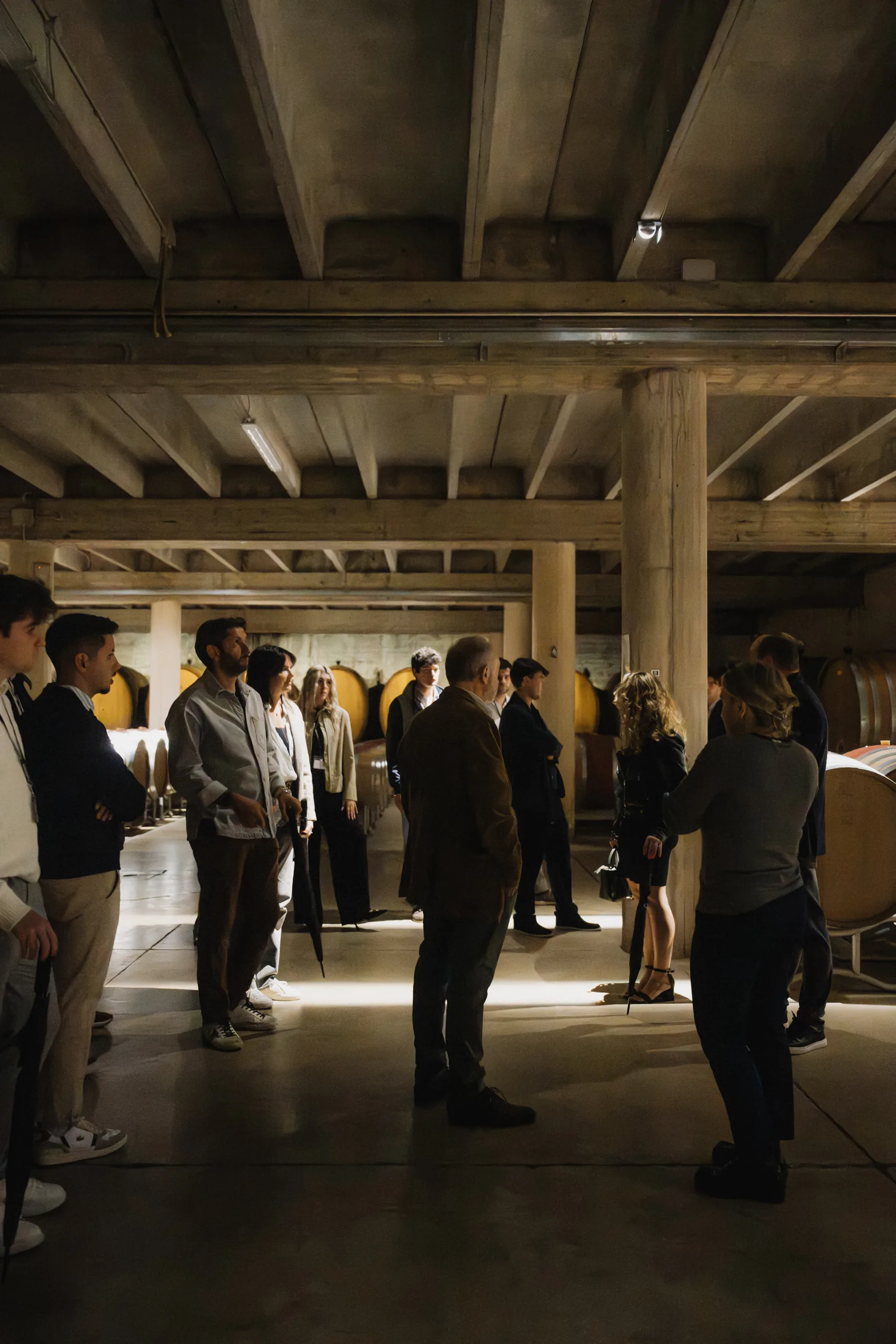
Wood plays a role, but the rules do not fix a minimum time in oak for Riserva. Producers choose between large traditional casks and smaller barrels, and the length of time in wood varies from estate to estate. Ask at the cellar how each wine was aged; it explains a lot of the difference in the glass.
Riserva vs Gran Selezione
Gran Selezione sits one step higher. It requires at least 30 months of aging, a higher minimum alcohol of 13 percent, and grapes grown only in the estate's own vineyards. Riserva has no estate-only requirement for its grapes.
When Riserva is worth the step up
Riserva is worth choosing when the meal calls for structure: grilled or roasted red meat, game, wild boar ragù, or aged pecorino. In those cases an Annata can feel light, while a Riserva holds its own.
It is also the wine to buy if you want to keep a bottle. A good Chianti Classico Annata is usually at its best within a few years of the vintage; a well-made Riserva often needs a few years to open up and can improve for a decade or more, depending on the producer and the year.
Annata is the better choice for a simple lunch, pizza or pasta with tomato, and for drinking young. Do not assume Riserva is always better: in a cool, difficult vintage, some producers make no Riserva at all, and a top producer's Annata can outshine an average Riserva.
Serving Chianti Classico Riserva at home
Serve it slightly below room temperature, cool to the touch rather than warm, in a large glass that gives the aromas space. A young Riserva benefits from opening an hour or so before dinner or from a gentle decant; an older bottle may have sediment, so stand it upright for a day and pour slowly.
On the label, look for the words Chianti Classico, the DOCG mention, the word Riserva and the black rooster on the neck seal. The vintage matters more for Riserva than for Annata, so it is worth checking a recent vintage guide from the consortium or a trusted wine critic.
Tasting Riserva where it is made
The best way to understand the difference between Annata and Riserva is to taste them side by side, in the cellar where they were made. Most estates in the Chianti Classico area pour both, and the comparison takes five minutes and stays with you for years.
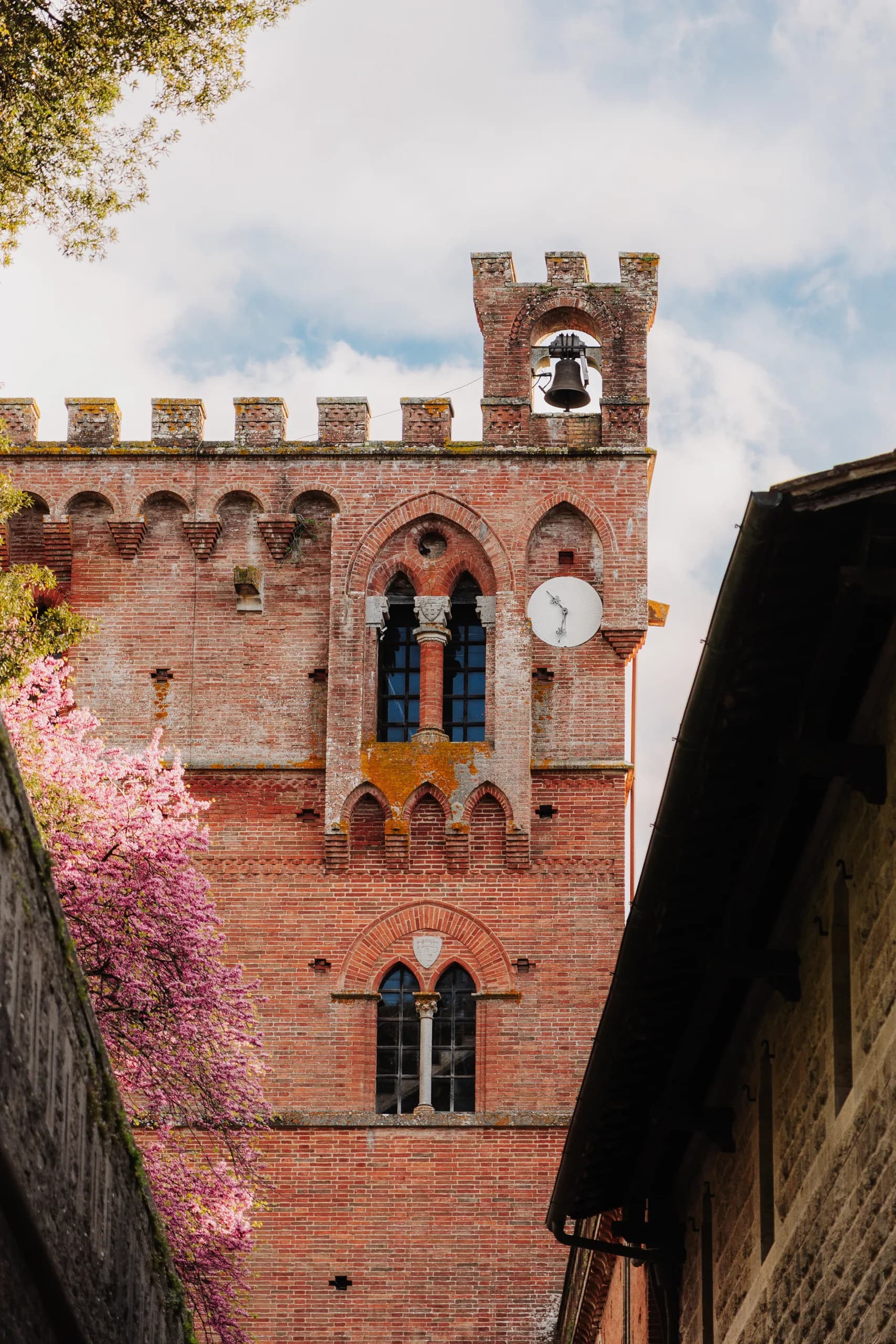
Rocca d'Italia's Brolio Castle and Chianti Classico day is a private chauffeur wine tour from Florence or Siena, with a tasting and lunch at Castello di Brolio, the Ricasoli estate. It is a wine day, not a castle admission ticket. Tell us your dates and we send a proposal within about 48 hours.
Questions about Chianti Classico Riserva
What does Riserva mean on Chianti Classico?
It means the wine has been aged at least 24 months, including at least three months in bottle, counted from January 1 after the harvest. It must also reach at least 12.5 percent alcohol.
Is Chianti Classico Riserva better than regular Chianti Classico?
It is usually fuller and more age-worthy, made from the producer's better lots. It is not automatically better; for a simple meal or for drinking young, a good Annata is often the right bottle.
What is the difference between Riserva and Gran Selezione?
Gran Selezione requires at least 30 months of aging, 13 percent minimum alcohol and grapes only from the estate's own vineyards. Riserva requires 24 months and 12.5 percent.
How long can you keep Chianti Classico Riserva?
A good Riserva often improves for five to ten years or more, depending on the producer and the vintage. Store it lying down in a cool, dark place.
What food goes with Chianti Classico Riserva?
Red meat, game, wild boar, mushroom dishes and aged pecorino. Its tannins and acidity work best with rich, savory food.