Chianti Classico Gran Selezione is the top tier of the Chianti Classico appellation. The wine must be made only from grapes grown in the producer's own vineyards, aged for at least 30 months, including at least three in bottle, and it is held to a stricter rule on Sangiovese than the other levels. Under a recent reform, its label can also name one of eleven villages or areas within the region.
If you have seen the words on a restaurant list in New York or a wine shop in Chicago and wondered whether they are worth the step up from a regular bottle, this guide explains what they promise, what they do not, and how to taste the difference yourself.
The Chianti Classico quality pyramid
Chianti Classico is the historic heart of Chianti, the hill country between Florence and Siena, with its own appellation and the black rooster on the neck of every bottle. It is a different appellation from plain Chianti, which covers a much larger area of Tuscany.
Within Chianti Classico there are three levels. Annata, the base wine, needs at least 12 months of aging. Riserva needs at least 24 months, including three in bottle. Gran Selezione sits above both, added to the pyramid by the producers' consortium in the 2010s as a way to recognize the estates' most ambitious wines.
The levels are about rules on origin and aging, not about a single style. A good Annata can be more enjoyable tonight than a young Gran Selezione, which may need years to open up.
What Chianti Classico Gran Selezione requires
Four rules define the category. Together they make Gran Selezione the most tightly controlled wine of the appellation.
Estate grapes only
Every grape must come from vineyards owned and farmed by the producer. A winery cannot buy fruit or wine from others for its Gran Selezione, which ties the bottle to a specific estate and its land.
At least 30 months of aging
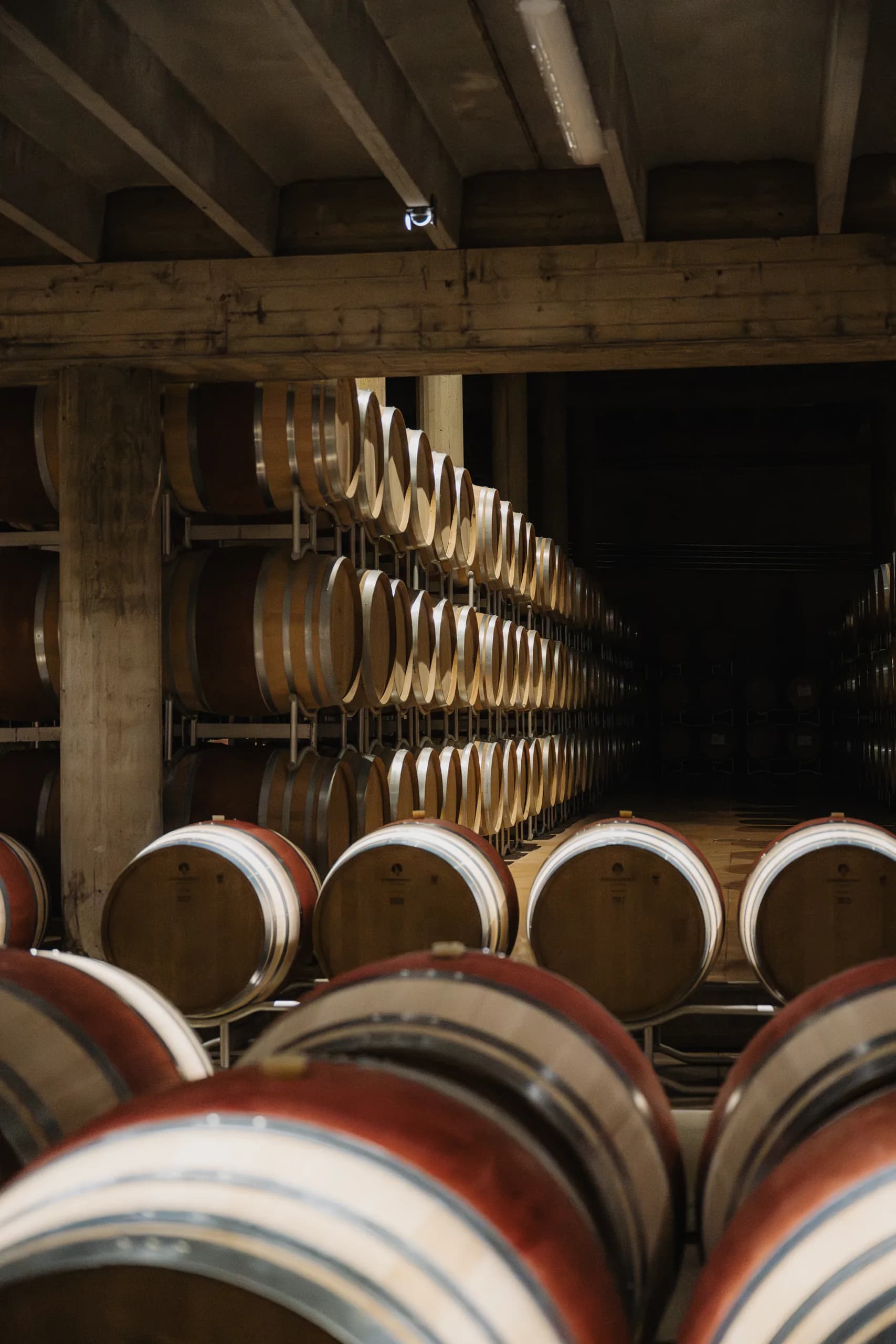
The wine must age for a minimum of 30 months, including at least three months in bottle, before release. That is six months longer than Riserva. Producers choose the vessels: large oak casks, smaller barrels, concrete or a mix.
More Sangiovese, only native grapes
Chianti Classico has always been built on Sangiovese, with a minimum of 80 percent. A recent reform of the rules raises the minimum for Gran Selezione to 90 percent and allows only native Tuscan varieties, such as Canaiolo and Colorino, for the rest. International grapes like Merlot and Cabernet are being phased out of the category; the change is being introduced over several vintages, so older bottles may follow the earlier rule.
A tasting and technical approval
Like the other levels, each wine must pass the appellation's analytical and tasting checks before it can be sold with the name.
The new village names on the label
The most interesting change of recent years is the arrival of the UGA, short for unità geografiche aggiuntive, or additional geographic units. The region has been divided into eleven areas: Castellina, Castelnuovo Berardenga, Gaiole, Greve, Lamole, Montefioralle, Panzano, Radda, San Casciano, San Donato in Poggio and Vagliagli. A Gran Selezione can now show one of these names on its label.
For now, the UGA names are reserved for Gran Selezione, with the intention of extending them to other levels over time. They are the closest Chianti Classico has come to the village system of Burgundy, and they reward drinkers who want to understand why a wine from the high, cool slopes of Lamole tastes different from one grown in the warmer south around Castelnuovo Berardenga.
If you are comparing two bottles at a store, the UGA name is a useful clue to place, and the estate name tells you the rest. On a restaurant list, a sommelier can usually tell you which area each Gran Selezione comes from and how ready it is to drink, which is worth asking before you order.
Gran Selezione vs Annata: what you taste
A young Chianti Classico Annata shows bright red cherry, fresh acidity, a light grip of tannin and a savory, herbal edge. It is a wine for the table: pasta with ragù, grilled meats, pizza.
Gran Selezione usually comes from a producer's best vineyard or best selection. The longer aging softens the tannins and adds depth: darker fruit, spice, leather, dried herbs, more weight. Many are built to age for a decade or more. Opened too young, some can feel closed and dominated by oak; given time, they show what Sangiovese from a specific place can do.
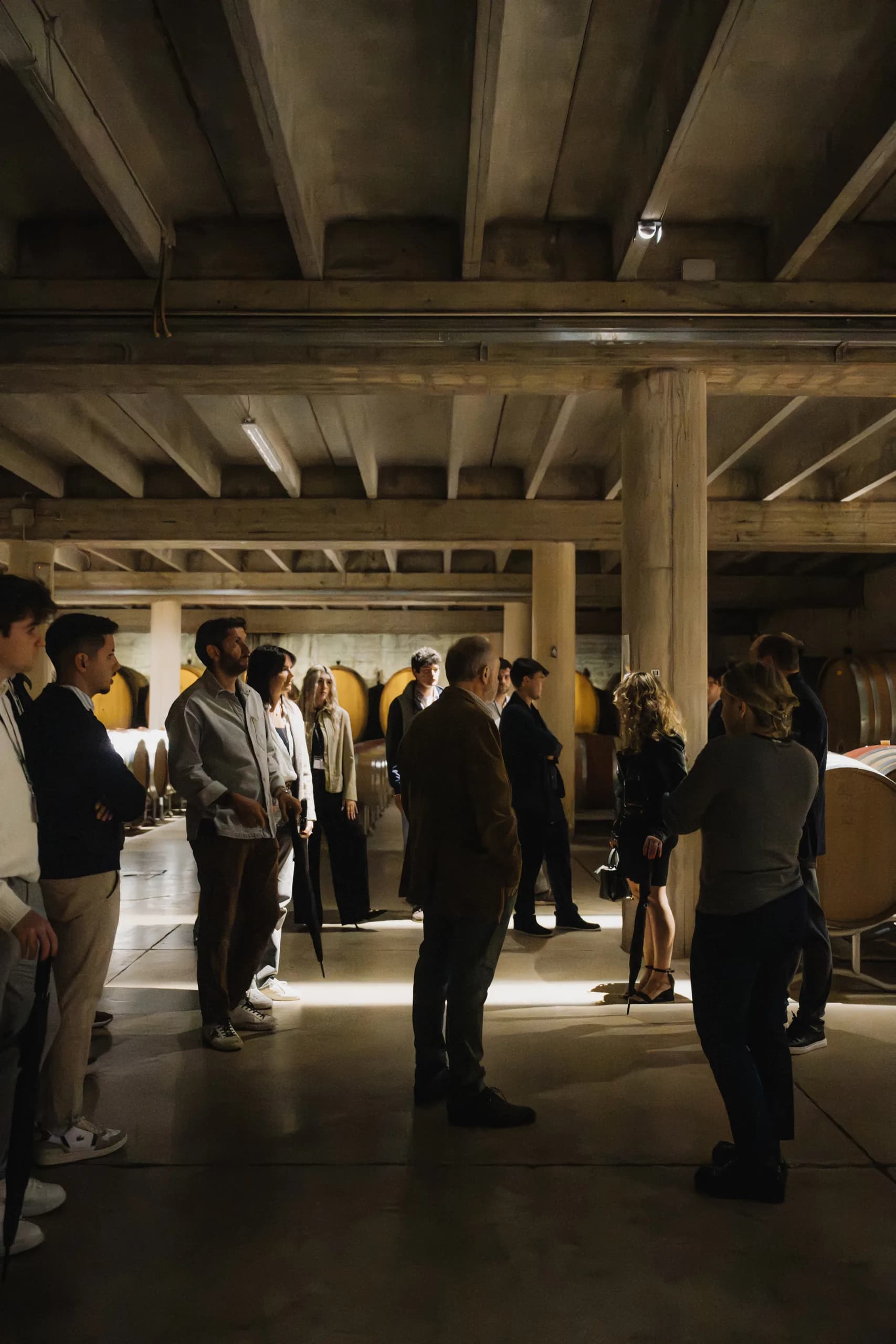
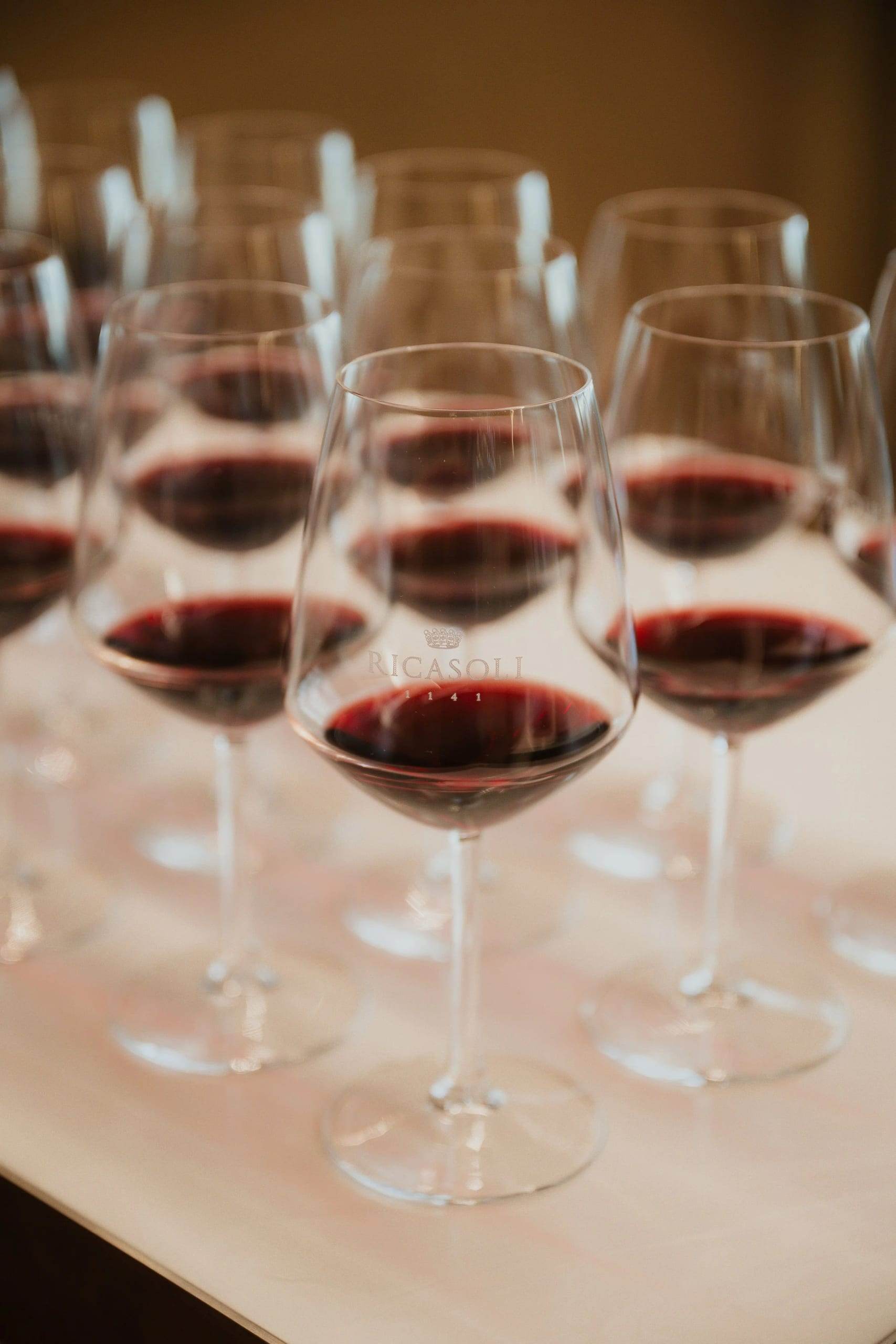
The easiest way to understand the difference is to taste the levels side by side from the same estate. Many wineries in the region pour Annata, Riserva and Gran Selezione in sequence during a visit, which teaches more in an hour than a shelf of wine books.

Tasting it where it is made
Rocca d'Italia's Two Estates of Chianti Classico day takes you with a private chauffeur from Florence or Siena to Castello di Brolio and Castello di Radda, two estates in the heart of the appellation, so you can compare their wines across the levels without thinking about the drive back.
Questions about Chianti Classico Gran Selezione
What is the difference between Chianti Classico Riserva and Gran Selezione?
Riserva must age at least 24 months, Gran Selezione at least 30, both with at least three months in bottle. Gran Selezione must also come entirely from the producer's own vineyards and follows a stricter rule on Sangiovese and native grapes. It is the top of the pyramid.
Is Gran Selezione better than regular Chianti Classico?
It is made under stricter rules and usually from the best fruit, so it tends to be deeper and longer-lived. Better depends on the moment: a young Annata is often more enjoyable with a simple dinner, while Gran Selezione rewards patience and food with more weight.
What does UGA mean on a Chianti Classico label?
UGA stands for unità geografiche aggiuntive, additional geographic units. It is one of eleven named areas within Chianti Classico, such as Panzano or Radda. For now the name can appear only on Gran Selezione.
How long can you age Chianti Classico Gran Selezione?
Many are built to improve for ten years or more after the vintage, depending on the producer and the year. Ask the estate or check the producer's notes for each wine.
What grapes are in Chianti Classico Gran Selezione?
Mostly Sangiovese. The appellation has always required at least 80 percent, and a recent reform raises the Gran Selezione minimum to 90 percent, with the rest limited to native Tuscan varieties such as Canaiolo or Colorino, phased in over several vintages.