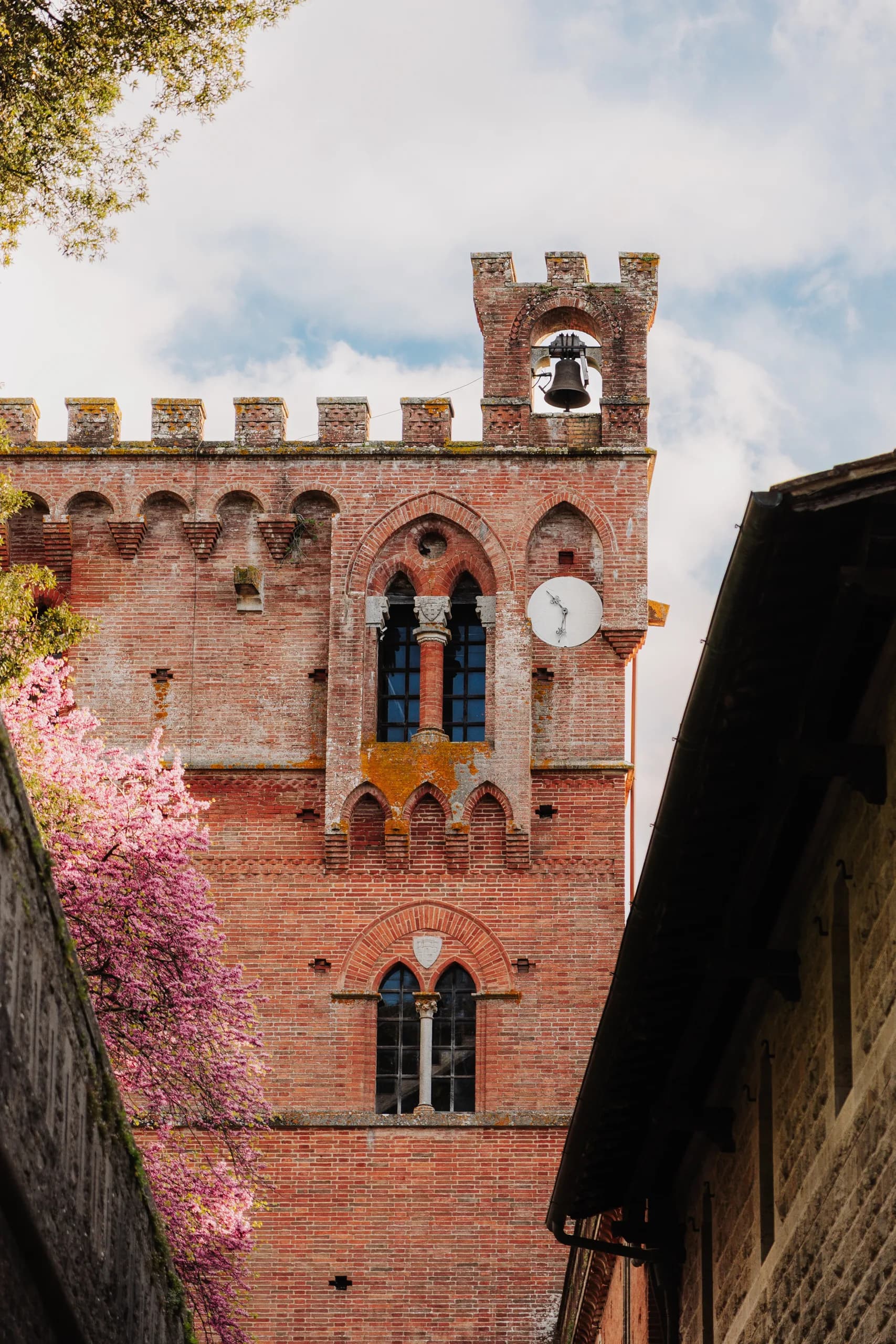
Brolio Castle, Castello di Brolio, stands on a wooded hill near Gaiole in Chianti, about 20 kilometers north-east of Siena, above the vineyards of the Ricasoli family. The family has owned it since at least 1141 and still lives there. Visitors can see the garden, the chapel and a museum devoted to the family, take in wide views over the Chianti hills, and taste the estate's wines.
This guide explains what you will see, why the castle matters to the history of Chianti wine, how to get there, and how to plan around the estate's own visiting arrangements, which you should always check on the official site before you go.
A castle on the old Florence-Siena frontier
Brolio stands in a position that made it valuable for centuries: on the border between the territories of Florence and Siena. As the two republics fought over the Chianti hills, the castle was besieged, damaged and rebuilt more than once. Written records place it in the hands of the Ricasoli family by 1141, one of the longest continuous family ownerships of an estate in Italy.
Today it remains a private residence. That shapes the visit: you see the grounds, the chapel and the rooms set aside for the museum, not the family's living quarters.
Brolio Castle and the birth of Chianti
Brolio's place in wine history comes from Bettino Ricasoli, known as the Iron Baron, who served as Prime Minister of the newly united Italy. At Brolio he spent years experimenting with the grapes of his estate. In an 1872 letter to Professor Cesare Studiati of the University of Pisa, he described the blend he had arrived at: mostly Sangiovese for aroma and vigor, with Canaiolo to soften it, and a little white Malvasia for wines meant to be drunk young.
The Consorzio Vino Chianti Classico describes that letter as the first recipe for Chianti wine. The rules have changed considerably since then, but the idea of Sangiovese at the heart of Chianti traces back to these experiments. Standing at Brolio, looking over the same slopes, gives that history a physical shape.
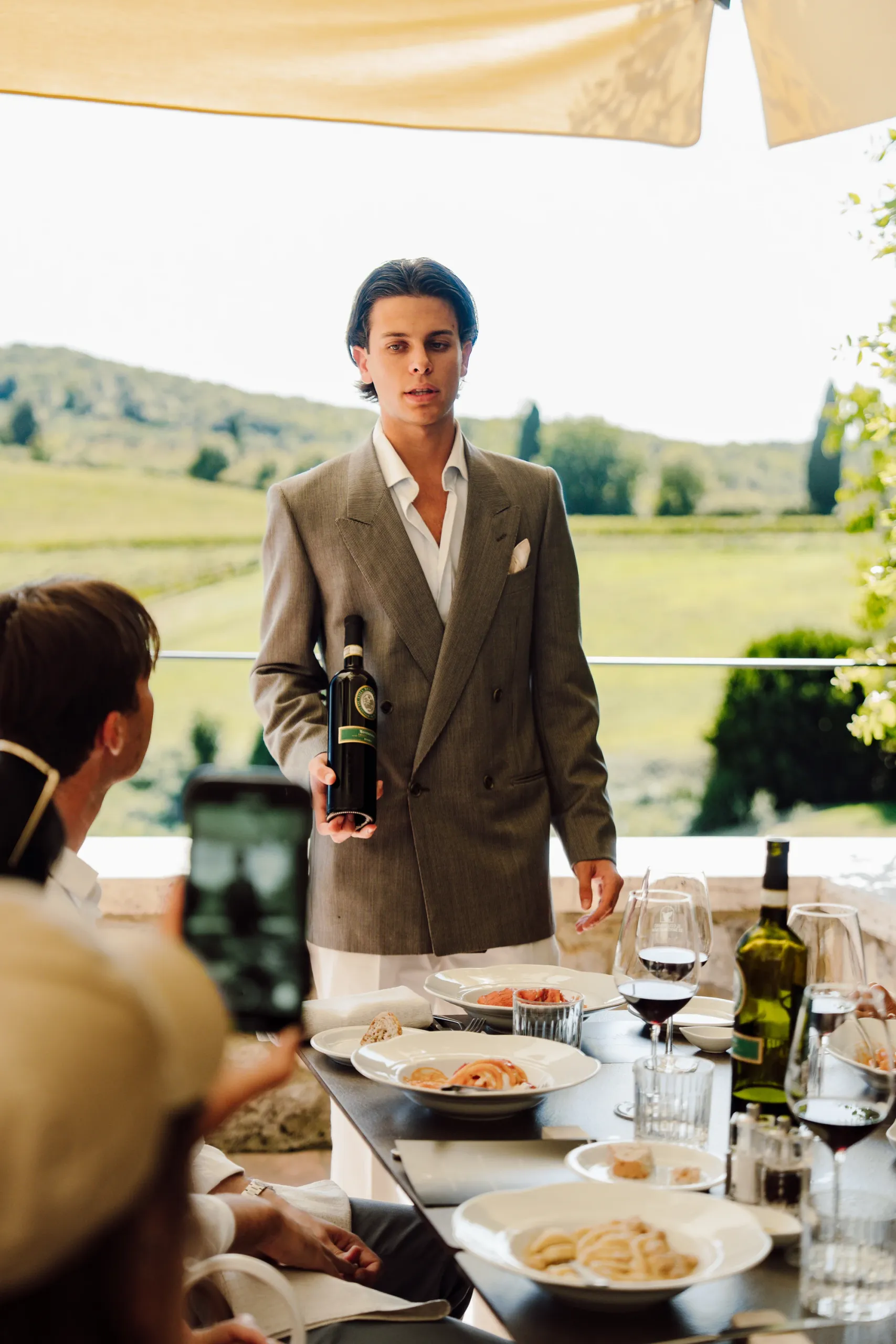
What you see at Brolio Castle
The visit usually covers three parts, though not all are open every day, so check the official site before you go.
The garden
Within the walls lies a formal garden with clipped box parterres in the Renaissance tradition, alongside a later romantic section. From the walls the view opens across woods, vineyards and the hills toward Siena.
The Chapel of San Jacopo
A small chapel inside the walls, with origins in the fourteenth century. Below it is the crypt where members of the Ricasoli family are buried.
The Ricasoli Collection
A museum in the castle that tells the story of the family and of Bettino Ricasoli, with personal objects and documents from his life.
How to get to Brolio Castle
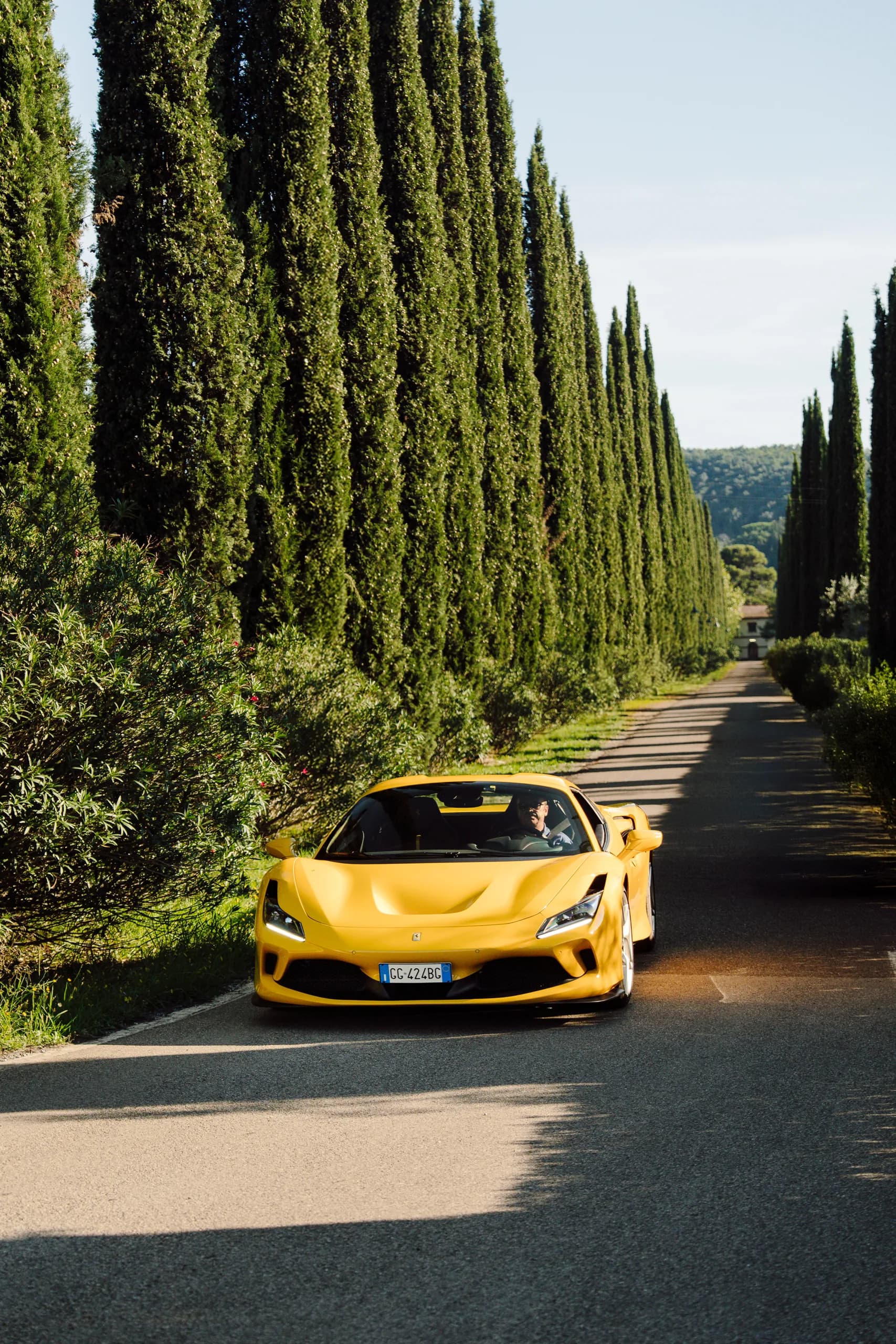
Brolio is in the countryside a few kilometers south of Gaiole in Chianti. From Siena it is a drive of under an hour; from Florence, allow more, either through the Chianti hills or partly by the A1 motorway. The last stretch follows a cypress-lined approach up the hill.
Check the directions on the estate's official site before you set off, since several places in the area share similar names. Public transport is very limited: buses from Siena are infrequent and stop some distance away, so this is a visit for a car or a driver.
The drive is part of the experience. The roads around Gaiole wind through woods and vineyards, with other castles and fortified villages on the surrounding hills, and they reward a slow pace. Fill up before you leave the larger towns, and expect a few narrow stretches where you will need to give way to oncoming traffic.
If you plan to taste, do not drive yourself back. Chianti roads are narrow and winding, and Italy's blood alcohol limits are strict. A driver, or a designated non-drinker, is the sensible plan.
Planning your visit
Brolio runs its own visits and tastings, and they are seasonal, so reserve ahead. The garden, chapel and museum may keep different opening days. Check the official Ricasoli site for current opening times, and book ahead, especially from late spring to early autumn.
The estate is also a working winery. Its wines carry the Chianti Classico name, including a Gran Selezione labeled Castello di Brolio, and the estate makes a Vin Santo del Chianti Classico. A tasting after the garden gives you the clearest sense of how the landscape you have just looked at ends up in the glass.
Allow at least an hour for the castle and garden, more if you add a tasting. Combine it with Gaiole, Radda and Castellina for a full day in the heart of Chianti Classico.
Brolio with a chauffeur
Rocca d'Italia's Brolio Castle & Chianti Classico day is a private chauffeur wine tour to Castello di Brolio, with a tasting and lunch, picking you up in Florence, in Siena or at your hotel. It is a wine day, not a sale of castle admission tickets; for castle-only visits, book directly with the estate.
Questions about Brolio Castle
Where is Brolio Castle?
Castello di Brolio is near Gaiole in Chianti, in the province of Siena, about 20 kilometers north-east of the city of Siena. It stands on a hill above the Ricasoli family's vineyards.
Can you visit Brolio Castle?
Yes. The garden, the Chapel of San Jacopo and the Ricasoli Collection museum can be visited on the days they are open. The castle is still the family's home, so the private apartments are not part of the visit.
Why is Brolio Castle important for Chianti wine?
Bettino Ricasoli, who lived at Brolio, described an early formula for Chianti wine in an 1872 letter, based mostly on Sangiovese. The Chianti Classico consortium calls it the first recipe for Chianti.
How do you get to Brolio Castle from Florence?
By car or with a driver, either through the Chianti hills or partly by the A1 motorway. Public transport is very limited, so it is not practical without a car.
Is Brolio Castle worth visiting?
Yes, especially if you are interested in Chianti wine. The garden and the views over the hills are a pleasure in themselves, and few places tell the story of Chianti Classico as directly as the estate where Bettino Ricasoli worked on his formula.
How long do you need at Brolio Castle?
Allow at least an hour for the garden, the chapel and the views, and more if the museum is open or you add a wine tasting. Combine it with Gaiole, Radda or Castellina for a full Chianti day.
Do you need to book a visit to Brolio Castle?
The estate asks for reservations for its tours and tastings. Check the official Ricasoli website for current opening days and times before you go.