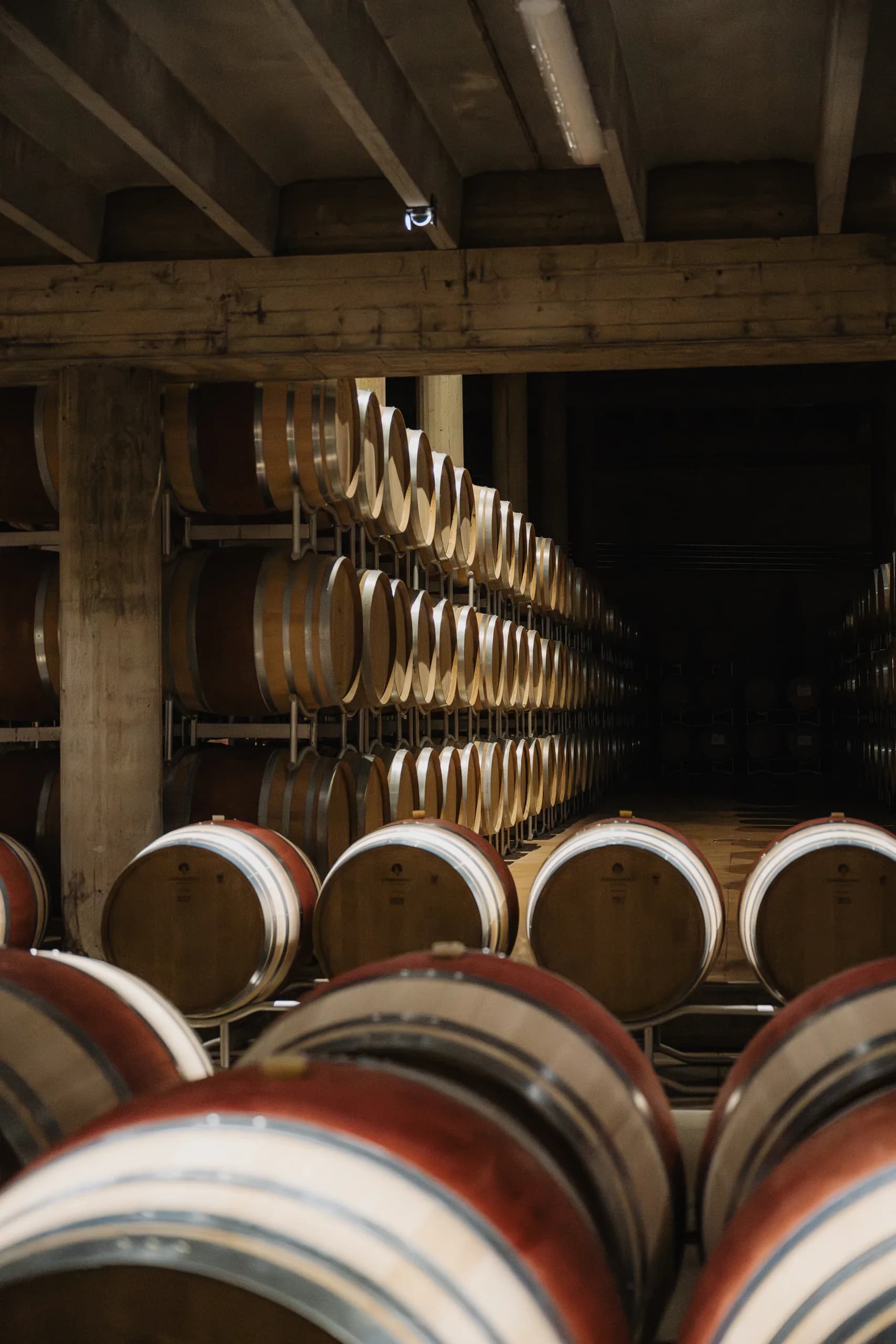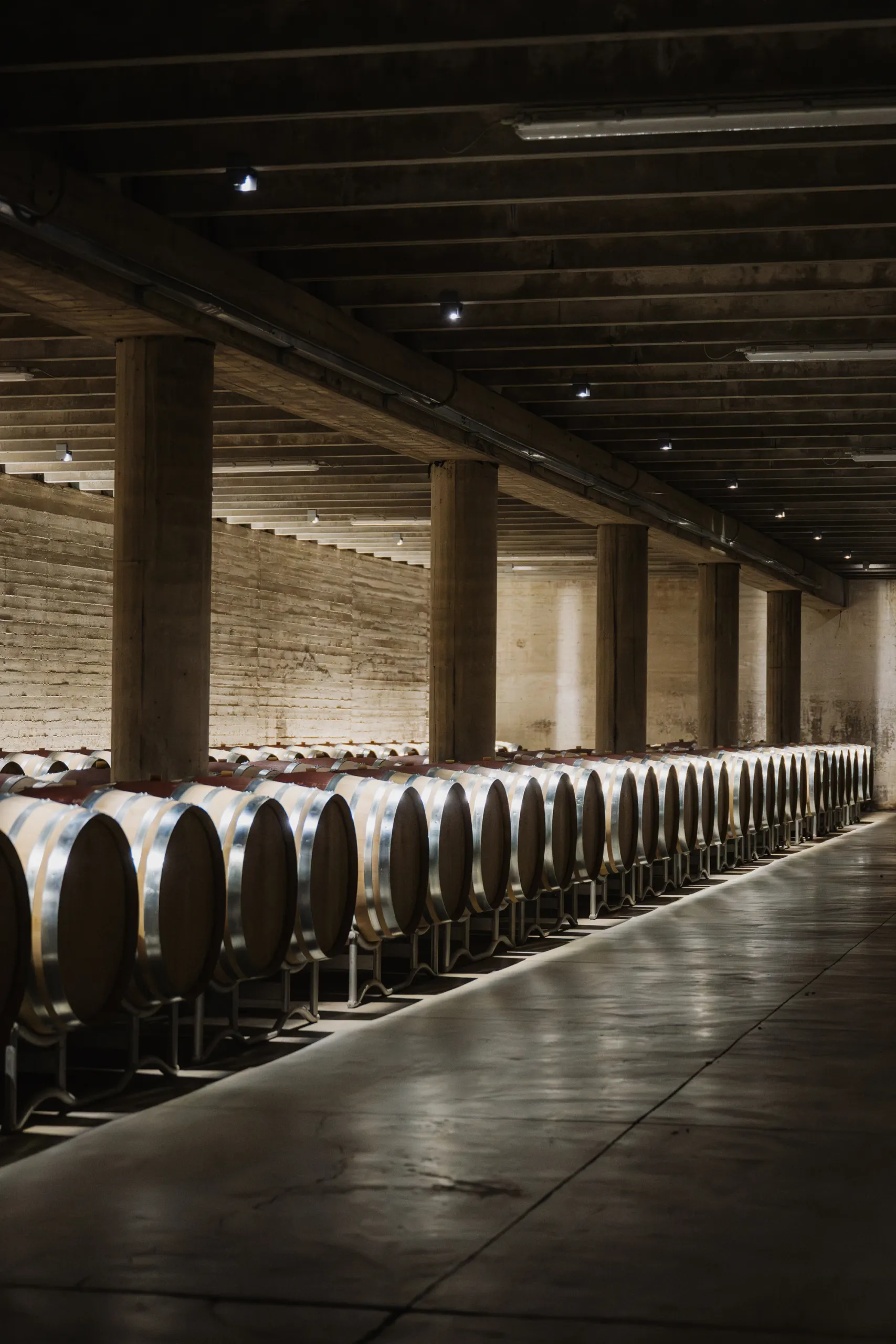
The Tuscan wine regions fall into four broad zones that matter to a traveler: the inland hills between Florence and Siena, where Chianti Classico is made; the south of Siena province, home of Brunello di Montalcino and Vino Nobile di Montepulciano; the coast, with Bolgheri and Suvereto; and the Maremma further south. Around Florence itself there are smaller historic areas such as Carmignano and Chianti Rufina.
For a trip, the useful question is not how many denominations exist but which areas you can reach comfortably from where you are staying, and what each one tastes like. This map is organized that way: by zone, by grape, and by distance from Florence or Siena.
The inland hills: Chianti Classico and San Gimignano
Chianti Classico is the historic heart of Tuscan wine, a broad stretch of hills, woods and vineyards between Florence and Siena, with villages such as Greve, Castellina, Radda and Gaiole. The wine is based on Sangiovese, at least 80 percent, and ranges from fresh everyday bottles to the long-aged Riserva and Gran Selezione. It is the easiest of all Tuscan wine regions to reach: under an hour from either city.
Just west, San Gimignano is the exception in a land of reds. Vernaccia di San Gimignano is a white wine, and it was the first Italian wine to receive the DOC, in 1966. A visit to San Gimignano's towers combines naturally with a tasting of Vernaccia, and the town is roughly an hour from both Florence and Siena.
Wherever you go, remember that most estates in these hills receive visitors by appointment rather than as walk-ins. Book ahead, especially from September to October, when the harvest keeps the cellars busy, and plan who will drive: the hill roads are narrow and the Italian alcohol limit is lower than many visitors expect.
Southern Siena: Montalcino and Montepulciano
South of Siena, two hill towns make the most celebrated Sangiovese wines of Italy. Brunello di Montalcino is made from Sangiovese alone, which locally is called Brunello, and it was among the first wines to receive the DOCG, in 1980. It is aged for years before release, and Rosso di Montalcino is its younger sibling from the same vineyards.
Vino Nobile di Montepulciano, also a DOCG since 1980, comes from the town of Montepulciano, east of the Val d'Orcia above the Val di Chiana, and is made mostly from Sangiovese, known there as Prugnolo Gentile. It is not related to Montepulciano d'Abruzzo, which is a different grape from a different region.
Both towns are about an hour from Siena by car, closer to each other than to Florence. From Florence they make a long day; from Siena they are an easy one. The Abbey of Sant'Antimo, below Montalcino, and the Val d'Orcia between the two towns make the drive part of the visit.
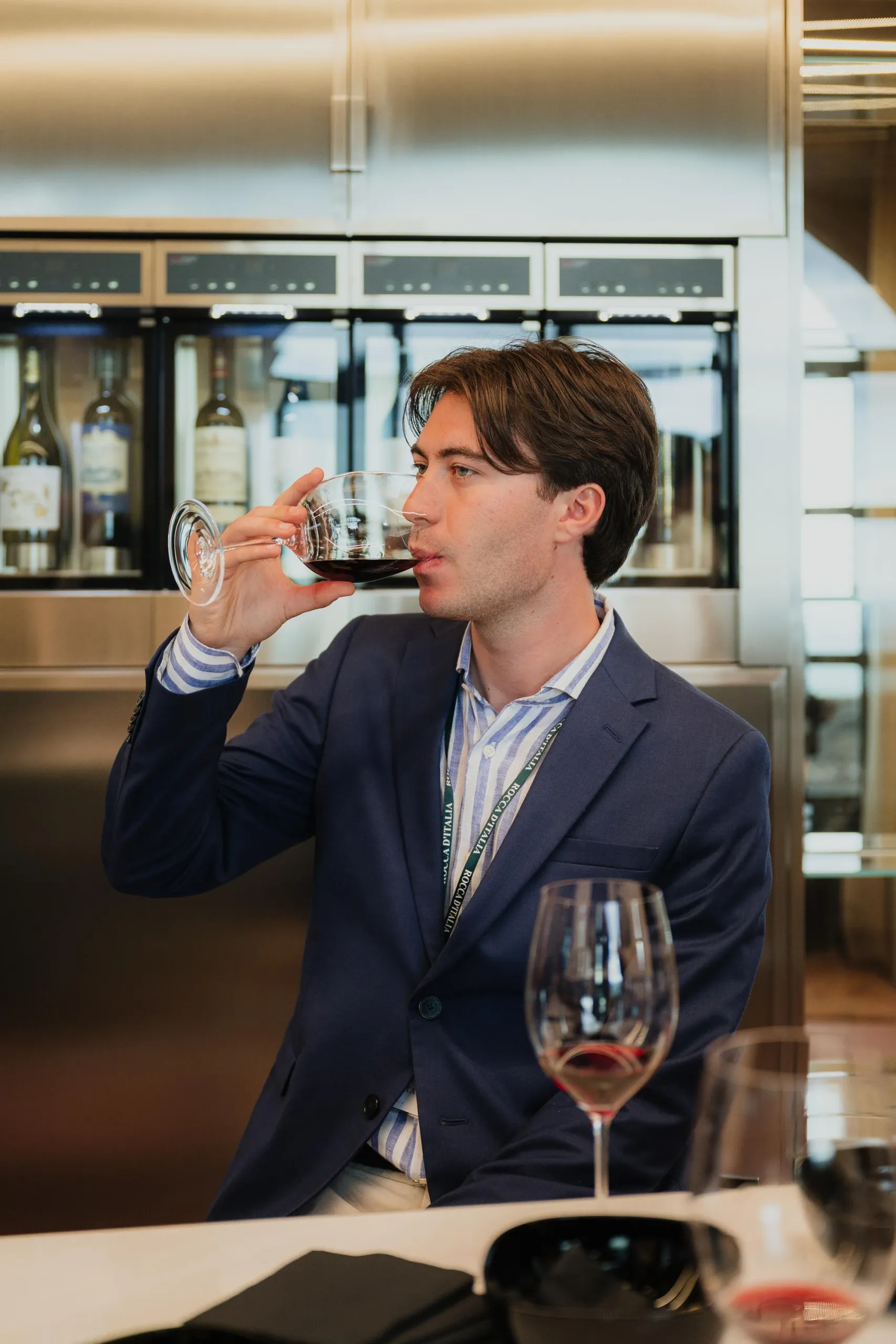
The coast and Maremma: the Tuscan wine regions that changed the map
Bolgheri, near the sea in the province of Livorno, is a young region in reputation and an international one in its grapes. Its story is tied to Sassicaia, a Cabernet-based red from Tenuta San Guido first released commercially with the 1968 vintage. The Bolgheri DOC for red wines followed in 1994, and Sassicaia later became its own separate DOC. Here the grapes are mostly Cabernet Sauvignon, Merlot and Cabernet Franc rather than Sangiovese.
A little further south, Suvereto became its own DOCG in 2011, after being part of the Val di Cornia area. Its rules include varietal reds labeled Cabernet Sauvignon or Merlot, as well as Sangiovese. In the Maremma, around Scansano, Morellino di Scansano brings the story back to Sangiovese, here called Morellino, in a warmer, more open landscape.
The coast is roughly two hours from Florence by car, and a similar distance from Siena. It is a full day, but a rewarding one, especially if you have tasted Sangiovese inland and want to see what the Tuscan sea air does to Bordeaux grapes.
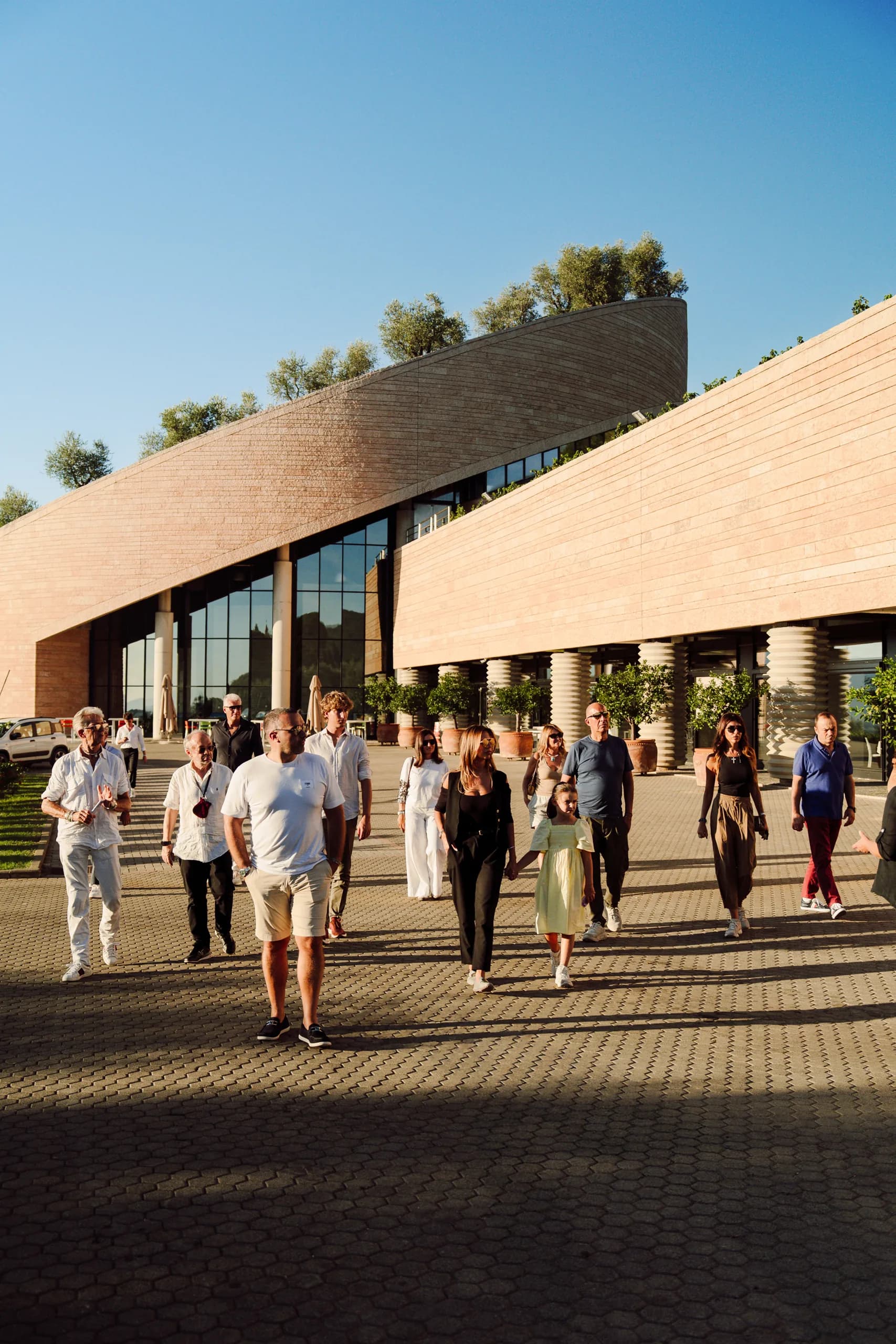
Around Florence: Carmignano and Rufina
Two smaller areas are close enough to Florence for a half day. Carmignano, west of the city, was one of four wine areas whose boundaries were fixed by Grand Duke Cosimo III de' Medici in 1716, together with Chianti, Pomino and the upper Valdarno. Its reds traditionally blend Sangiovese with a share of Cabernet, an unusual tradition for inland Tuscany.
Chianti Rufina, north-east of Florence along the Sieve valley, is one of the subzones of the wider Chianti denomination, separate from Chianti Classico. It is cooler and higher than the hills south of Florence, and its wines tend to be fresh and taut.
From Florence
Chianti Classico, Carmignano, Rufina and San Gimignano are all comfortable day trips. Bolgheri is possible as a longer day.
From Siena
Chianti Classico, Montalcino and Montepulciano are each about an hour or less. Bolgheri is a long day.
Choosing your region for a day
If you have one wine day, base it on where you sleep: Chianti Classico from Florence, Montalcino or Montepulciano from Siena. If you have two, add the coast for contrast. Rocca d'Italia runs private chauffeur days to three of these areas: Castello di Brolio in Chianti Classico from Florence or Siena, Petra at Suvereto with Bolgheri, and Casanova di Neri in Montalcino from Siena.
Questions about the Tuscan wine regions
What are the main wine regions of Tuscany?
For travelers: Chianti Classico between Florence and Siena, Montalcino and Montepulciano south of Siena, Bolgheri and Suvereto on the coast, and the Maremma further south. Carmignano and Chianti Rufina are close to Florence.
Which Tuscan wine region is closest to Florence?
Chianti Classico starts within an hour's drive of Florence. Carmignano, to the west, and Chianti Rufina, to the north-east, are also close and make good half-day visits.
Can I visit Montalcino on a day trip from Florence?
Yes, but it is a long day: Montalcino is about two hours from Florence by car. From Siena it is around an hour, which makes Siena the better base for Brunello.
What grape is used in Tuscan wine?
Sangiovese is the main grape of Chianti Classico, Brunello di Montalcino and Vino Nobile. On the coast, in Bolgheri and Suvereto, Cabernet Sauvignon, Merlot and Cabernet Franc dominate. Vernaccia is the white grape of San Gimignano.
Which Tuscan wine region is best for a first visit?
Chianti Classico, for most people. It is close to both Florence and Siena, it shows the Sangiovese grape that runs through Tuscan wine, and its villages and roads make the day enjoyable even between tastings.
Is Bolgheri worth the drive from Florence?
If you enjoy contrast, yes. Its Bordeaux-style reds and its coastal landscape are very different from the inland hills. Allow a full day, since the coast is about two hours away.