The best things to do in Radda in Chianti are to walk its small walled center, understand its role in the history of the Chianti League and the Chianti Classico consortium, taste the wines of one of the highest areas in the denomination, and drive the quiet roads that link it to Gaiole and Castellina. It is a village for a slow half day, not a checklist.
Radda sits on a ridge in the heart of Chianti Classico, the band of hills between Florence and Siena, about an hour from either city by car. It is smaller and quieter than the villages on the main road north, and that is much of its appeal.
Radda and the old Chianti League
In the Middle Ages these hills were contested ground between Florence and Siena. Florence organized the area into the Lega del Chianti, a military and administrative league centered on three towns: Castellina, Radda and Gaiole. Its emblem was a black rooster on a golden field.
That rooster is the reason Radda matters to anyone who drinks Chianti Classico. In 1924 a group of 33 producers met in Radda and founded a consortium to protect the wine of the historic area, choosing the black rooster of the old league as their symbol. The Consorzio Vino Chianti Classico, born in that meeting, is considered the oldest wine consortium in Italy, and the Gallo Nero still appears on bottles of Chianti Classico.
The boundaries of the area are older still. In 1716 a decree of Cosimo III de' Medici, Grand Duke of Tuscany, defined the zone, one of the earliest legal definitions of a wine area anywhere. Today the Chianti Classico area takes in the whole municipalities of Greve, Castellina, Radda and Gaiole, and parts of four more.
Things to do in Radda in Chianti itself
Radda is a walled village on a ridge, and the pleasure of it is on foot. Park in one of the signposted lots below the walls and walk up: the center is compact, and a slow loop of its streets, its small squares and the edges of the walls takes far less time than the views ask you to spend.
Look outward as much as inward. From the edges of the village, the land falls away into woods of oak and chestnut, with vineyards in the clearings and stone farmhouses along the ridges. This mix of forest and vine is what the Chianti Classico hills look like, rather than the open, rolling farmland of southern Tuscany.
Sit down for lunch or a glass of wine in the village rather than rushing on. Radda rewards an unhurried stop more than a quick photograph, and the light over the hills changes noticeably through the afternoon.
Opening times
Shops, wine bars and any sites open to visitors keep their own schedules, which change with the season. Check the official sites for opening times before you plan the day around a particular place.
The wines of a high village
Chianti Classico is based on Sangiovese, at least 80 percent, and since 2021 the denomination has been divided into eleven Unità Geografiche Aggiuntive, or UGAs: village areas whose names can appear on the label. Radda is one of them.
Its vineyards are among the highest in the denomination, largely on galestro, a flaky, crumbly marl. The wines from here tend to be fragrant and lively, with sharp acidity and a lean frame. If you taste a Radda wine next to one from lower, warmer slopes further south, the difference is the most useful lesson the area can give.
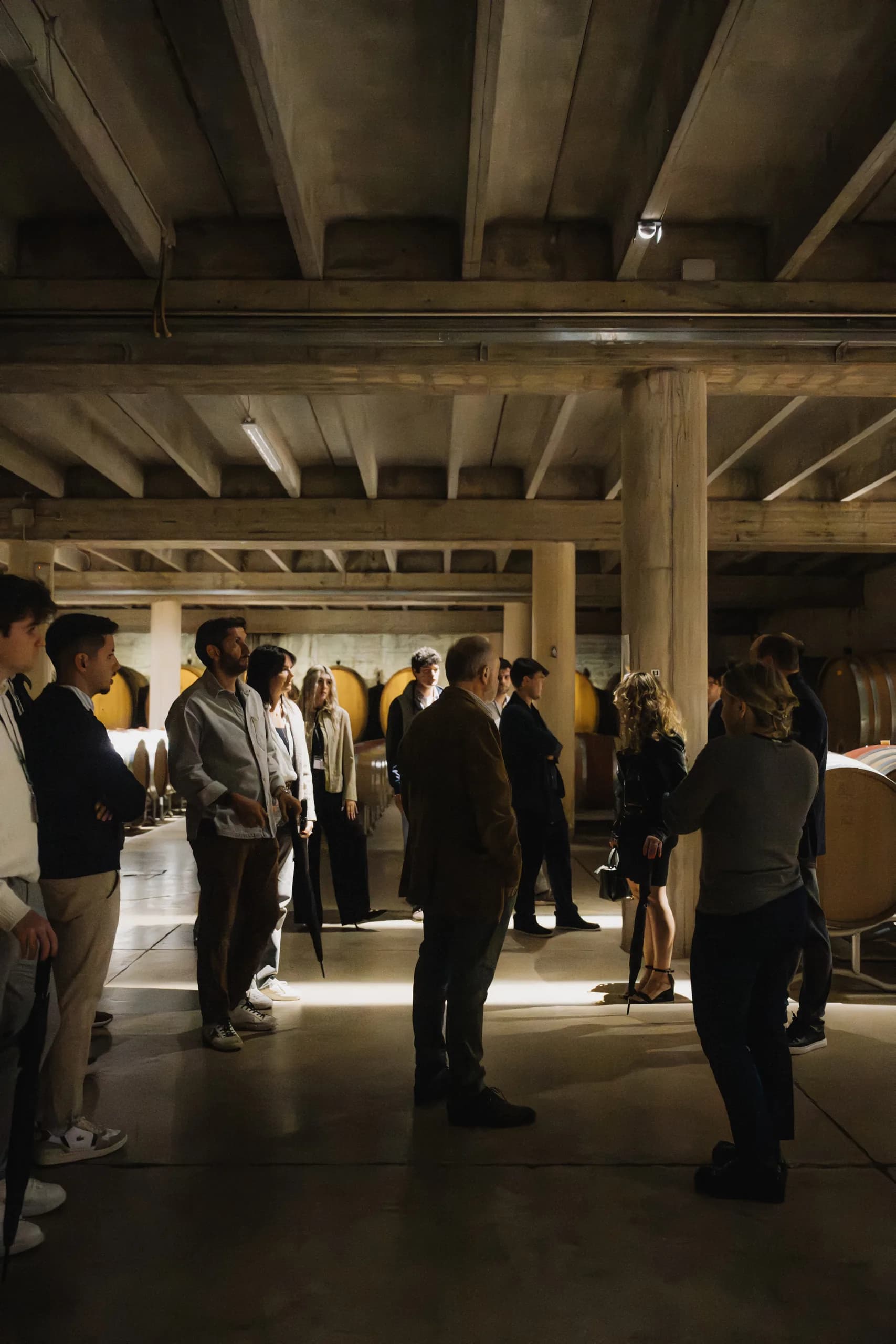
Castello di Radda, an estate near the village, is one place to see that in the glass. Many estates in Chianti receive visitors by appointment only, so arrange a tasting in advance rather than hoping to walk in.
The roads around Radda
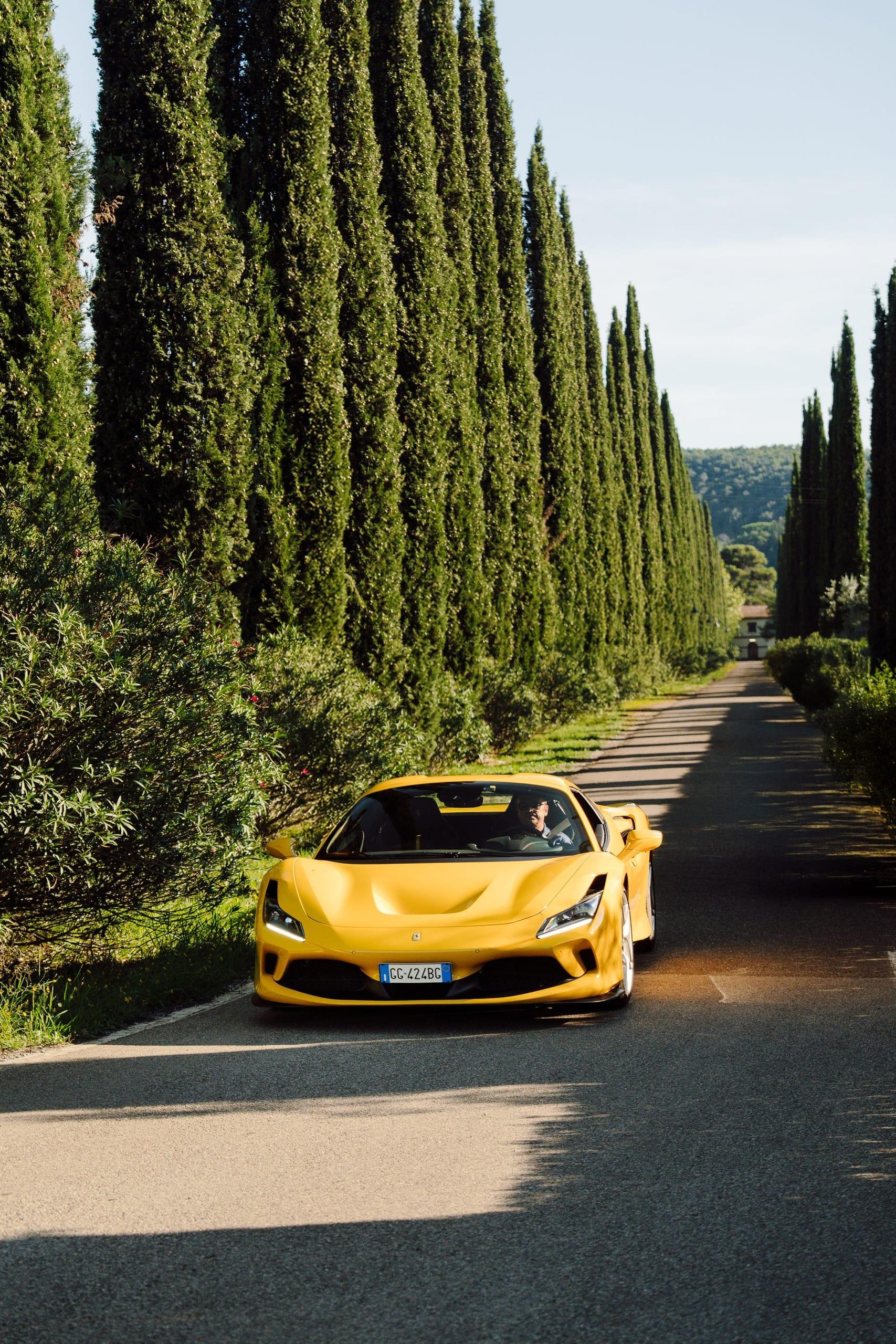
Radda is linked by winding hill roads to Castellina in Chianti to the west and Gaiole in Chianti to the east, the other two towns of the old league. The roads toward Radda and Gaiole are noticeably quieter than the stretches near Greve and Castellina, especially in summer.
A good self-drive loop from the north follows the SR222, the Chiantigiana, south through Greve and Panzano to Castellina, then crosses east to Radda. From Radda you can continue to Gaiole and down to Castello di Brolio, the Ricasoli family estate on the southern edge of the area.
For driving, May, June, late September and October are the most comfortable months: dry roads and long days without the heat of high summer. In August some family-run places close for a week or two around the middle of the month, so check ahead.
Radda on a private day
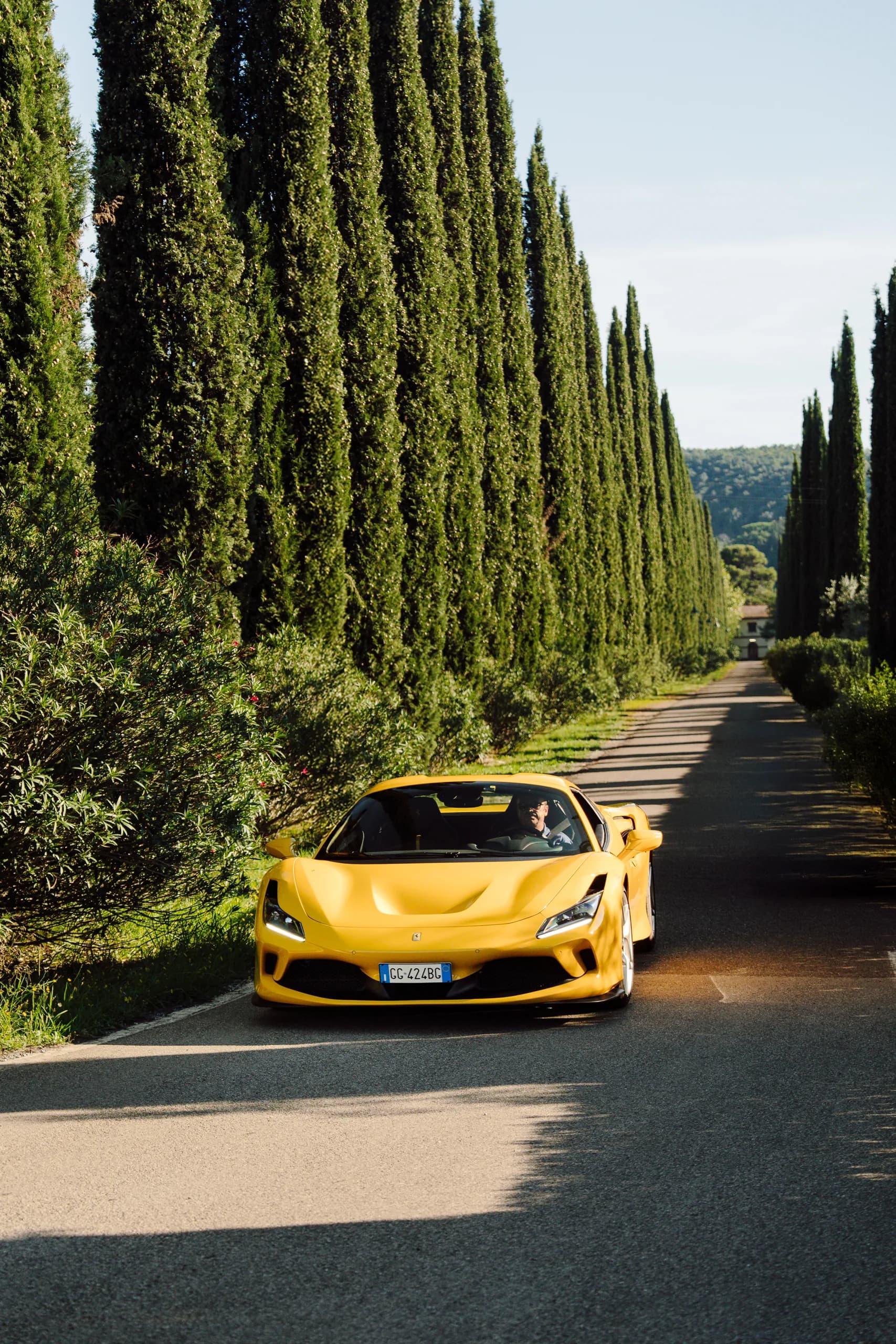
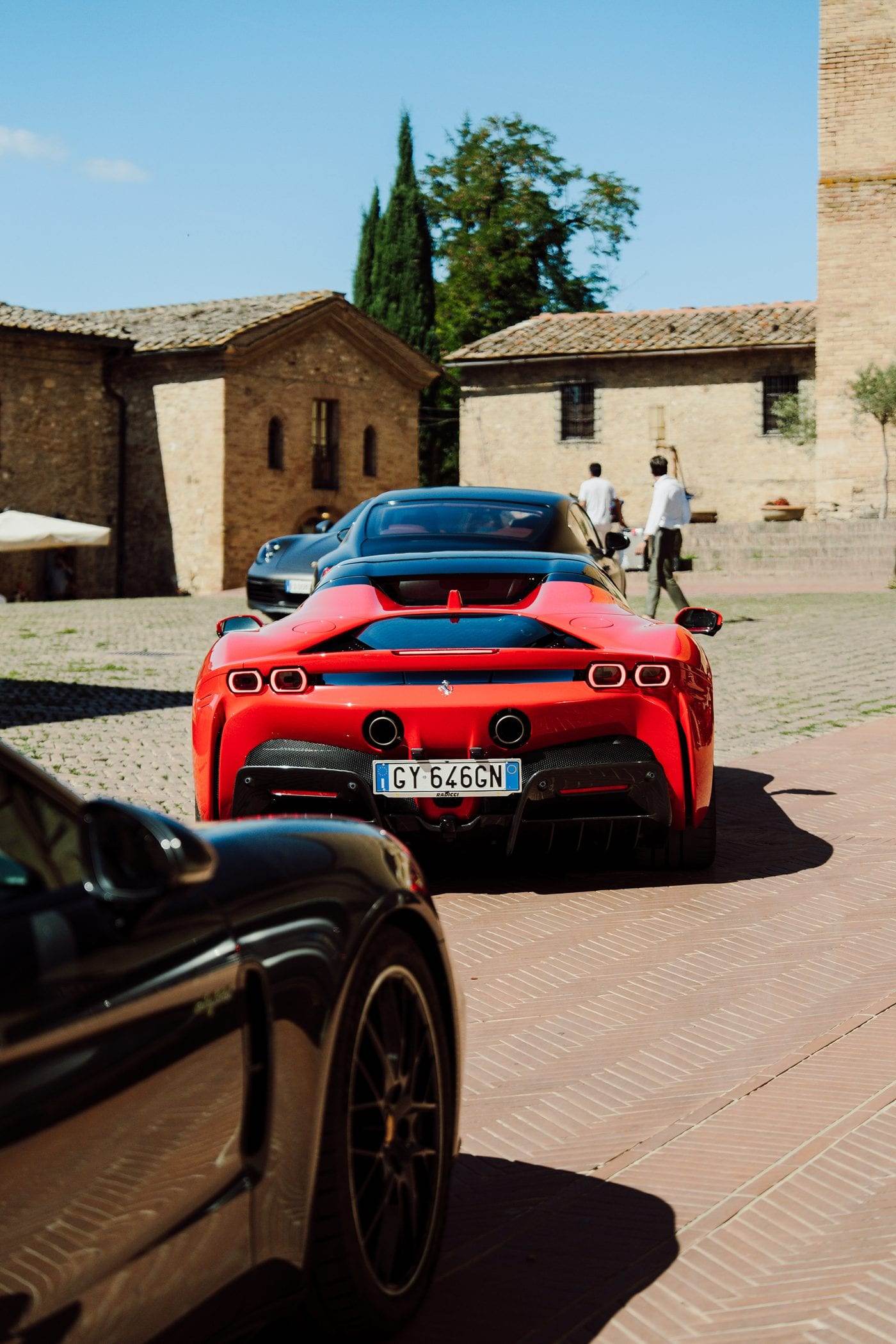
Radda appears on two of our days. Two Estates of Chianti Classico is a chauffeured wine day from Florence or Siena with tastings at Castello di Brolio and Castello di Radda, so you can compare two very different sides of the same denomination without anyone having to drive. Heart of Chianti is the opposite: you take the wheel of a supercar through Castello di Brolio, Gaiole, Radda and Castellina.
Both are private to your group. Rocca d'Italia replies to every request with a proposal and an estimate within about 48 hours.
Questions about Radda in Chianti
Is Radda in Chianti worth visiting?
Yes, if you enjoy small villages and wine history. Radda is a compact walled village in the heart of Chianti Classico, where the consortium behind the black rooster was founded in 1924, and it is quieter than the villages on the main road.
How long do you need in Radda in Chianti?
A couple of hours is enough to walk the village and have lunch. Add time for an estate tasting nearby, and combine it with Gaiole or Castellina for a full day in Chianti.
How far is Radda in Chianti from Florence and Siena?
Radda lies in the hills between the two cities, within an hour or so of either by car. The roads are narrow and winding, so allow more time than a map app suggests.
What is Radda in Chianti known for?
Its place in the medieval Chianti League alongside Castellina and Gaiole, the founding of the Chianti Classico consortium there in 1924, and high vineyards that give fragrant, lively Sangiovese.
Where do you park in Radda in Chianti?
Use the signposted car parks below the walls and walk up. Like many Tuscan villages, Radda's small center is not a place to drive into.