The history of Chianti wine runs from the medieval hills between Florence and Siena, through one of the first legal wine boundaries in the world, set by the Medici in 1716, to a recipe written by Baron Bettino Ricasoli at Castello di Brolio in 1872. Those steps shaped the wine that, after many changes, became today’s Chianti Classico.
This is the story in order, with the dates that can be verified and the places you can still visit. It helps to know it before tasting in Chianti, because so much of what you see on the label, from the black rooster to the word Classico, comes from this history.
Before the rules: the League of Chianti
In the Middle Ages the Chianti hills were contested ground between Florence and Siena. Florence organized the area into the Lega del Chianti, a military and administrative league centered on three towns: Castellina, Radda and Gaiole. Its emblem was a black rooster on a golden field, the same symbol that appears on bottles of Chianti Classico today.
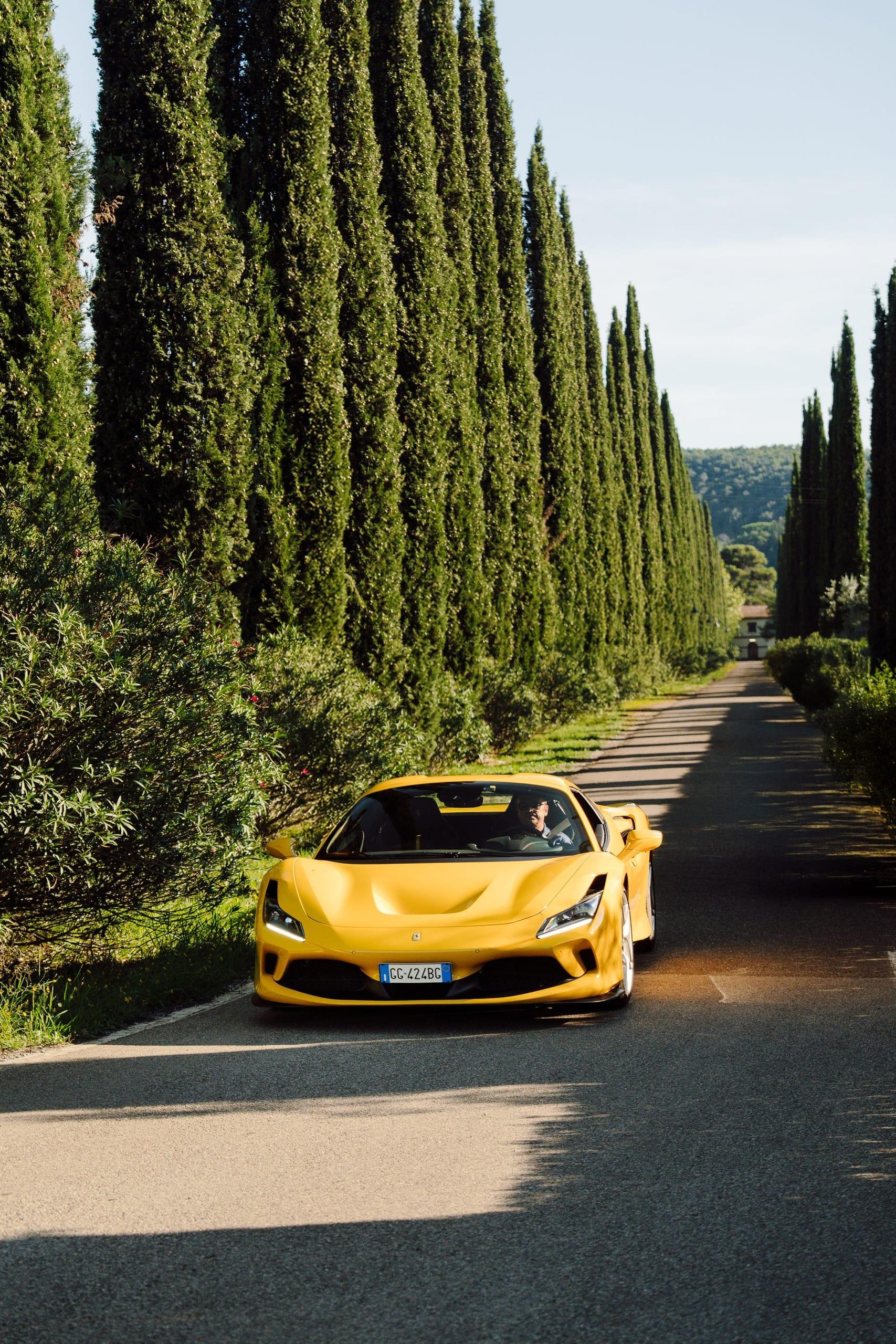
The three league towns are still the heart of the area. Gaiole, Radda and Castellina sit a short drive from one another, each surrounded by vineyards and woods, and driving between them is the easiest way to see how small and hilly the original Chianti really is.
Wine was already made throughout the area, but “Chianti” at first described a place, not a style. We do not know precisely which grape varieties were grown or in what proportions, and wines from the area varied greatly from one estate to the next.
1716: the Medici draw a line
In 1716 Cosimo III de’ Medici, Grand Duke of Tuscany, issued two decrees about wine. The first, in July, set up a body to oversee production and trade. The second, on 24 September 1716, defined the boundaries of four production areas whose wines were prized: Chianti, Pomino, Carmignano and the Val d’Arno di Sopra.
This is often cited as one of the earliest legal definitions of a wine-producing area anywhere. The aim was commercial: to protect the reputation of the best Tuscan wines, especially on export markets, from imitations. The boundary drawn for Chianti corresponds closely to the heart of today’s Chianti Classico area.
Bettino Ricasoli and the history of Chianti wine at Brolio
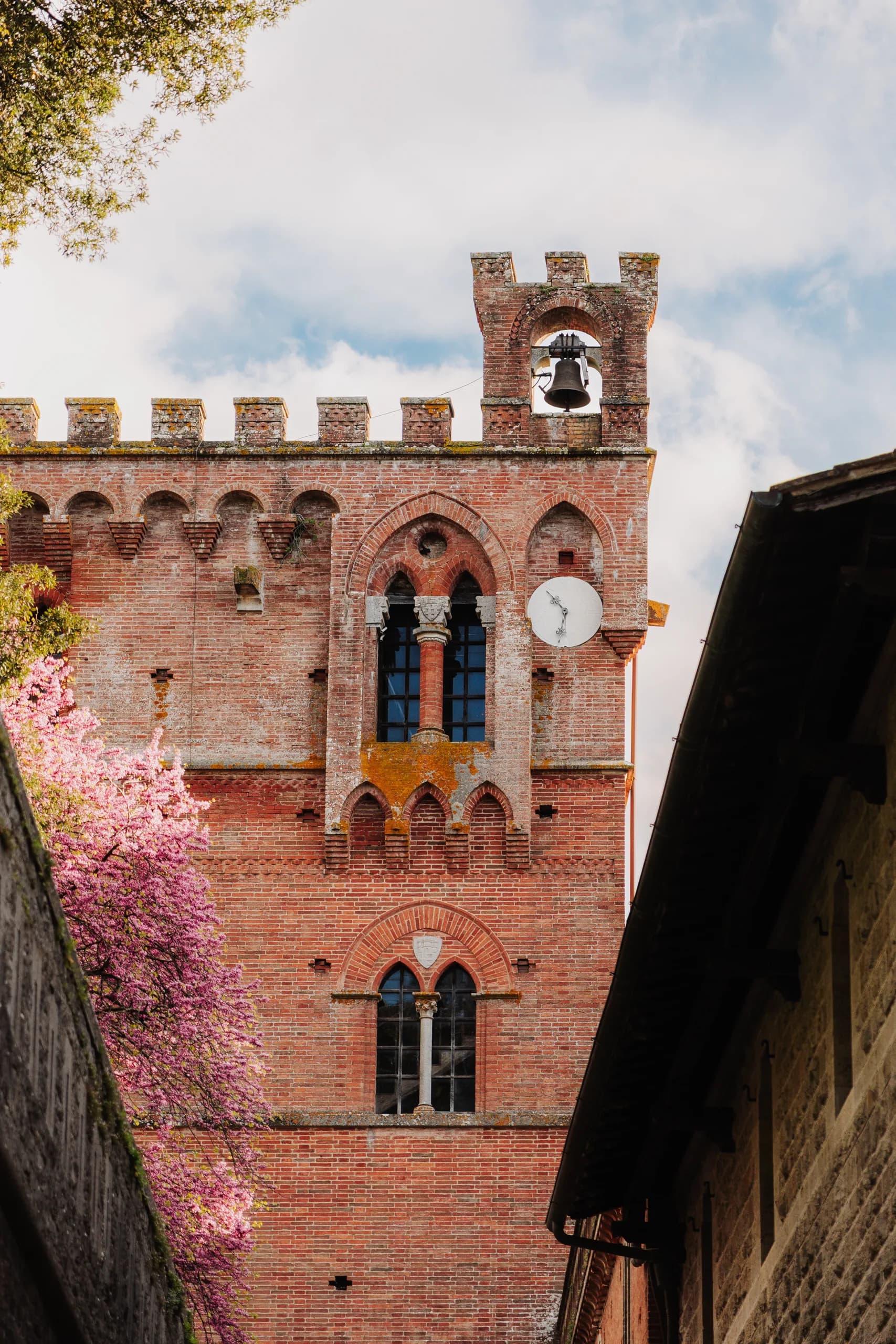
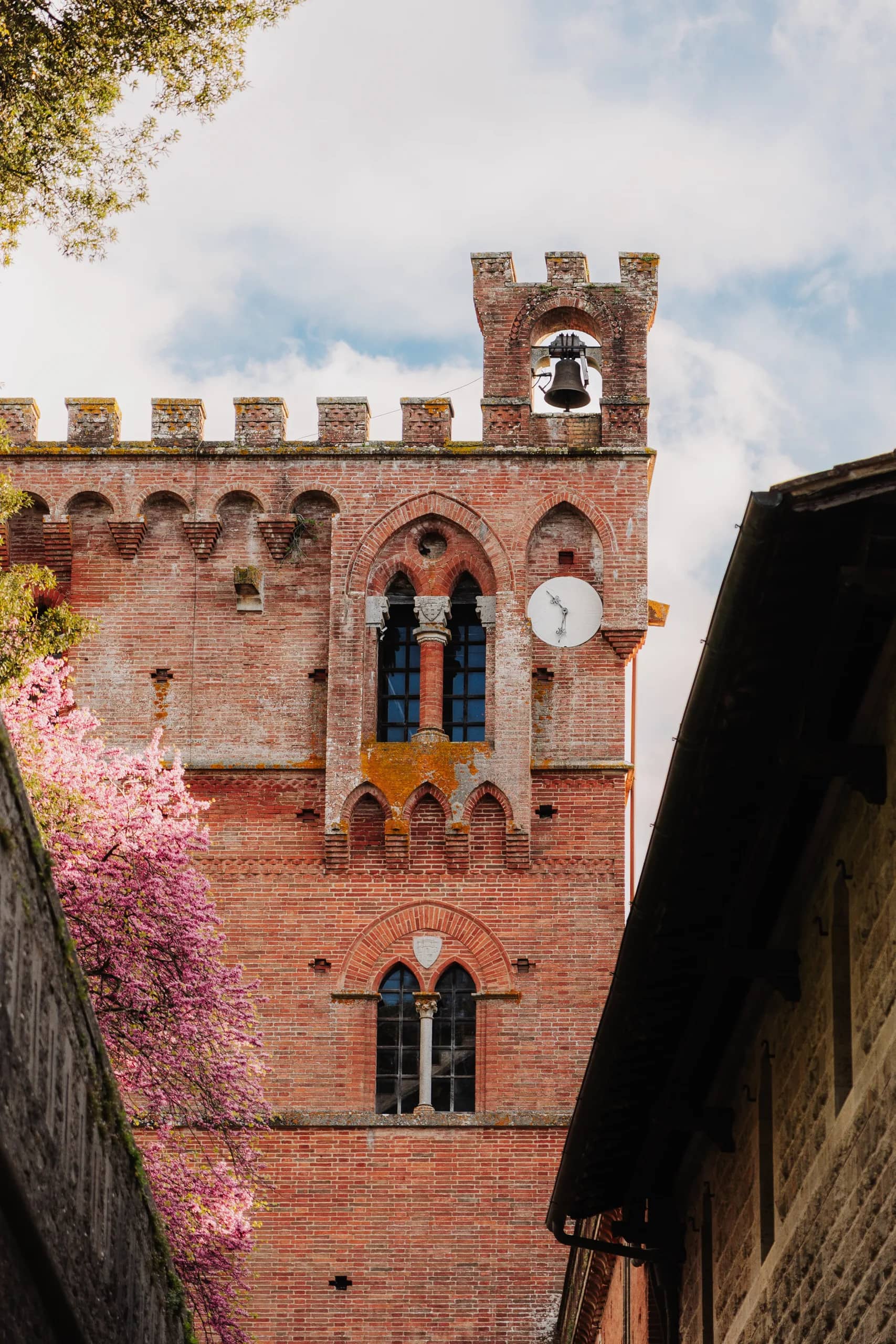
The Ricasoli family has been linked to Castello di Brolio, in the hills of Gaiole, since the twelfth century. Bettino Ricasoli, born in 1809, took on the family estate as a young man and set about modernizing it. He planted, tested and compared grape varieties for years, and he kept careful records of the results.
Ricasoli was also a statesman. Known as the Iron Baron for his austere character, he became Prime Minister of the newly unified Kingdom of Italy in 1861, succeeding Cavour, and later served a second term. Between political commitments he returned to Brolio and to his experiments in the vineyard and cellar.
In 1872 he summarized his conclusions in a letter to Cesare Studiati, a professor at the University of Pisa. Sangiovese, he wrote, gives the wine most of its aroma and its vigor; Canaiolo softens Sangiovese’s hardness without taking away its perfume; and Malvasia, a white grape, lightens the wine and makes it suited to everyday drinking, but can be left out of wines meant for aging. That letter is what wine writers call the Ricasoli formula.
A formula, not a rulebook
Ricasoli described a blend that worked at Brolio, not a law. It took decades to spread among producers, and the exact percentages often quoted today vary from source to source.
From the black rooster consortium to Chianti Classico
By the early twentieth century, wines labeled Chianti were being made far beyond the historic hills. In 1924 a group of 33 producers met in Radda in Chianti and founded a consortium to protect the wine of the original area, choosing the black rooster of the medieval league as their emblem.
National appellation law came later. Chianti became a DOC in 1967, with rules that still followed the Ricasoli model and allowed white grapes in the blend. It was promoted to DOCG in 1984, and in 1996 Chianti Classico became a DOCG in its own right, separate from Chianti.
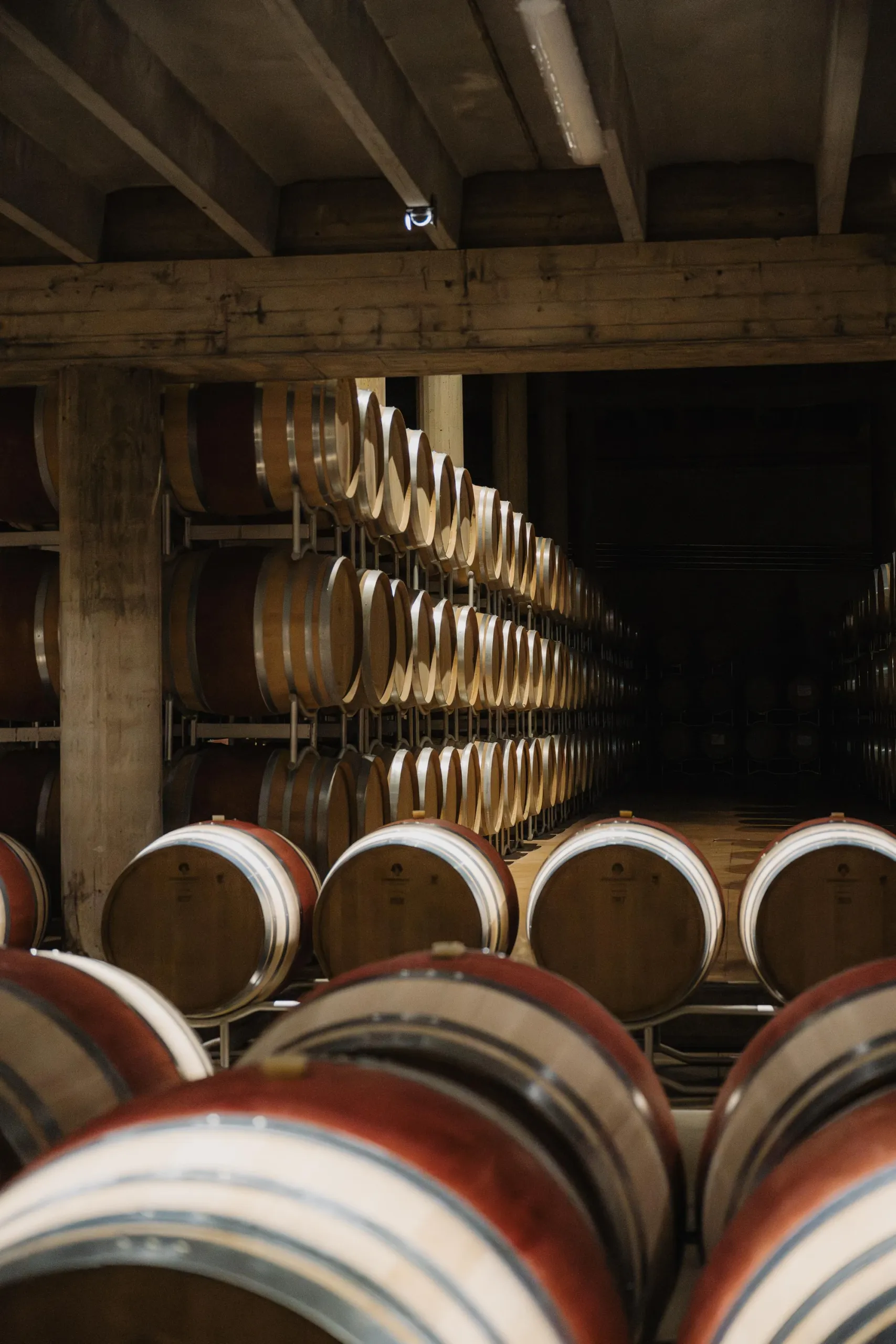
Since then, the rules for Chianti Classico have moved away from the nineteenth-century formula. White grapes are no longer allowed, and Sangiovese plays an even larger role, with other red varieties permitted in smaller amounts. The spirit of Ricasoli’s work, a wine built around Sangiovese, remains at the center.
The distinction between Chianti and Chianti Classico still confuses many visitors. Chianti is a wider appellation covering large parts of Tuscany, while Chianti Classico comes only from the historic area between Florence and Siena, the hills of the old league and of the 1716 decree. The black rooster on the neck of the bottle is the quickest way to tell them apart.
Seeing the history in person
Castello di Brolio is still the home of the Ricasoli estate, and a visit there links the story directly to the glass. The castle grounds and the views over the Chianti hills are open to visitors; check the estate’s own site for opening times. For a day built around the wine, Rocca d’Italia organizes a private chauffeur wine tour from Florence or Siena to Brolio, with a tasting and lunch at the estate.
Questions about the history of Chianti wine
When were the Chianti boundaries first defined?
On 24 September 1716, when Grand Duke Cosimo III de’ Medici defined the production areas of Chianti, Pomino, Carmignano and the Val d’Arno di Sopra.
What is the Ricasoli formula?
It is the blend described by Baron Bettino Ricasoli in an 1872 letter: Sangiovese for aroma and vigor, Canaiolo to soften it, and white Malvasia for lighter wines meant to be drunk young.
Who was Bettino Ricasoli?
A Tuscan nobleman and owner of Castello di Brolio who experimented with grape varieties for decades. He was also Prime Minister of Italy, first in 1861.
Why is there a black rooster on Chianti Classico?
The black rooster was the emblem of the medieval League of Chianti. The producers who founded the consortium in 1924 adopted it as their symbol.
When did Chianti Classico become separate from Chianti?
Chianti Classico became a DOCG of its own in 1996, separate from the wider Chianti appellation.
Can you visit Castello di Brolio?
Yes. Castello di Brolio, near Gaiole in Chianti, is still the home of the Ricasoli estate, and its grounds and views over the Chianti hills are open to visitors. Check the estate’s official site for opening times before you go.
Does Chianti Classico still contain white grapes?
No. White grapes are no longer allowed in Chianti Classico, which is based mainly on Sangiovese with smaller amounts of other red varieties permitted.