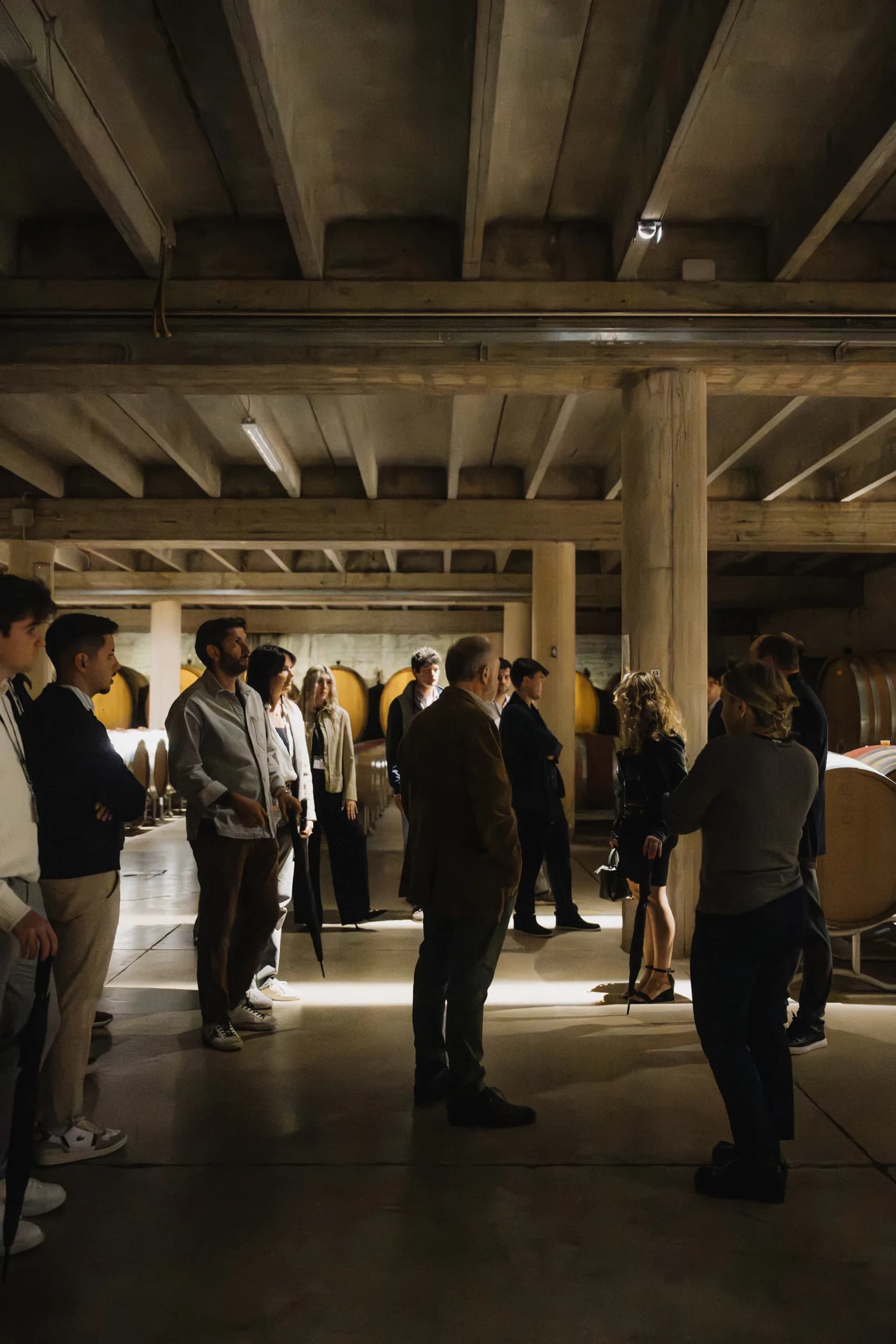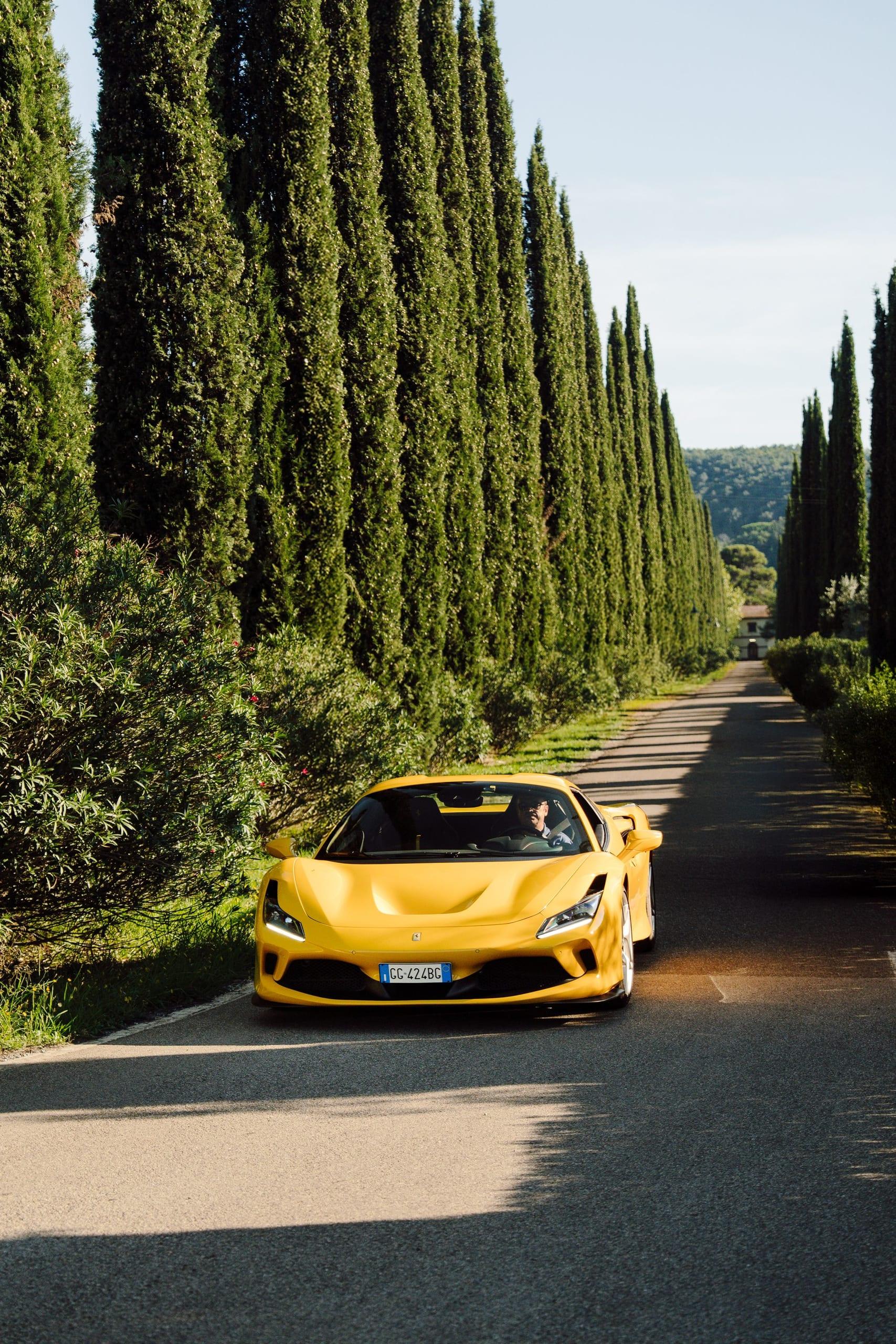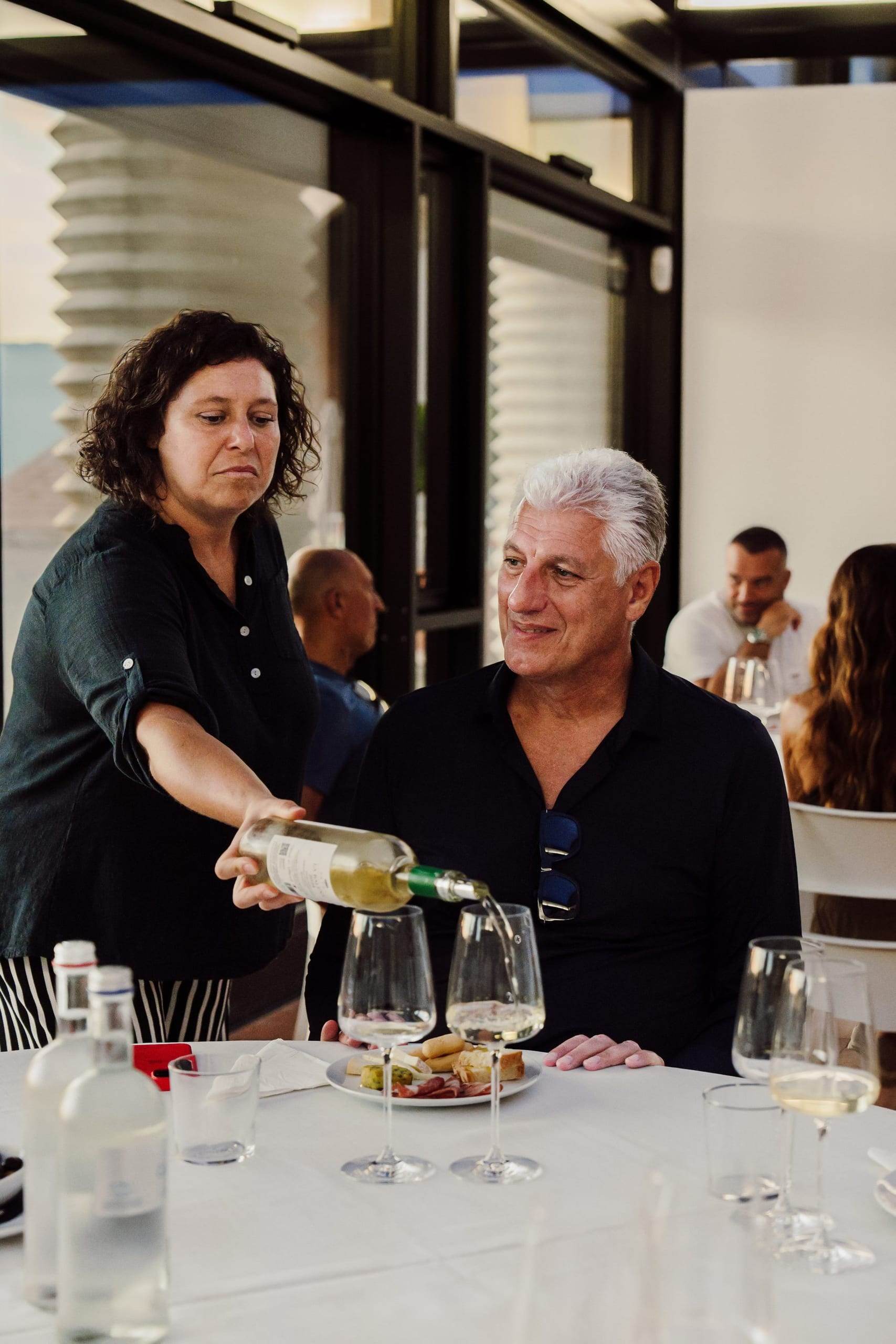
Greve in Chianti from Florence is one of the easiest trips into wine country: the town lies about 30 kilometers south of the city on the Via Chiantigiana, the SR222, and the drive usually takes 40 to 50 minutes. You can also get there by regional bus in a little under an hour, or with a private driver, which is the only option that lets everyone taste wine.
Greve is a good first stop rather than the whole day. It has a fine main square, a hilltop hamlet just above it and wine shops on every side, and it sits at the northern edge of Chianti Classico, so the best estates and villages are further south.
Greve in Chianti from Florence by bus
Regional buses run by Autolinee Toscane connect Florence and Greve, with a journey of roughly 50 minutes. Service is more frequent on weekdays and thinner on Sundays, holidays and in parts of summer, so check the current timetable and departure stop on the operator's site or app the day before. Ticket options, including the app, are explained on the same site.
The bus is practical for a simple visit to the town: a walk around the square, lunch and a tasting at a wine shop, and back in the afternoon. It is less practical for estates, which are usually several kilometers outside town on country roads with no public transport.
By car on the Via Chiantigiana
The SR222, known as the Via Chiantigiana, is the classic road from Florence into Chianti. It leaves the southern edge of the city and climbs through olive groves and vineyards to Greve, then continues south to Panzano, about ten minutes further, and on toward Castellina and Siena.
It is a two-lane road with bends and few places to overtake, so expect to follow the occasional tractor or truck. Leaving Florence by car also means avoiding the city's ZTL, the camera-controlled limited traffic zone: pick up the rental car on the outskirts if you can, and check the route out of town before you set off. In Greve, park in one of the public lots at the edge of the centre and walk in.
The real limit of driving is the wine. A day of tastings and a careful drive on hill roads do not go together. If wine is the point of the trip, one of you will be drinking water.
What to see in Greve
The heart of the town is Piazza Matteotti, an unusual triangular square lined with arcades, shops and restaurants. In the middle stands a statue of Giovanni da Verrazzano, the navigator born nearby who, in 1524, sailed into the bay where New York City now stands. Americans often recognize the name from the Verrazzano-Narrows Bridge. The square is overlooked by the church of Santa Croce.
Above the town, a short drive or a steady uphill walk, is Montefioralle, a small fortified hamlet with a ring of stone houses and views over the valley. It is quiet and compact, and worth half an hour.
Greve is also a market town. The arcades around the square have long been a place of trade, and on market days the piazza fills with stalls. Arrive in the morning if you want to see the town at its liveliest and still have time for lunch before heading on.
If you visit in September, Greve hosts the Expo del Chianti Classico, when producers from across the denomination pour their wines in Piazza Matteotti. Dates change each year, so check the official program before planning around it.
Piazza Matteotti
The triangular, arcaded main square, with the Verrazzano statue and the church of Santa Croce.
Montefioralle
A walled hamlet on the hill above Greve, with narrow lanes and views over the vineyards.
Wine shops
Several enoteche around the square pour Chianti Classico by the glass, a useful way to compare producers.
Going deeper into Chianti Classico
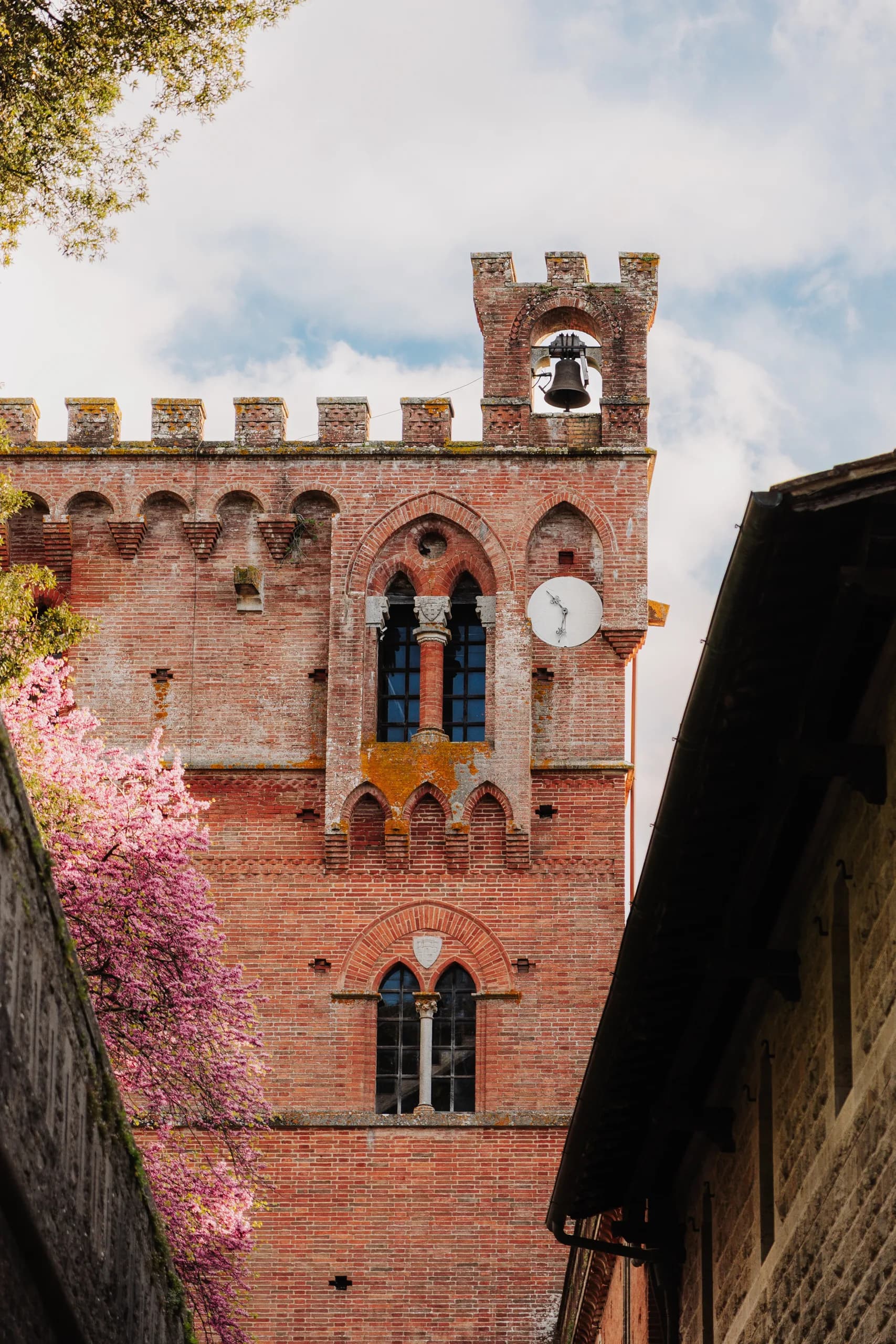
Greve is the gateway; the heart of the denomination lies further south. Panzano, Castellina, Radda and Gaiole each have their own character, and many of the historic estates sit between them. Castello di Brolio, south of Gaiole, is one of the oldest names in Chianti, a castle surrounded by its own vineyards.
The distances look small on a map, but the roads wind, and a realistic day includes two estates at most, with lunch between them. Book visits in advance: most serious producers receive guests by appointment, not walk-in. Plan the route so that the longest drive, back to Florence, comes at the end of the day with someone sober at the wheel.
Bus for the town, a driver for the wine
If you only want to see Greve, the bus works well and costs you little planning. If you want to visit estates and taste properly, a private driver from Florence is the comfortable choice: no timetable, no parking, no one counting glasses.
Rocca d'Italia organizes private chauffeur days from Florence into Chianti Classico, with tastings and lunch at Castello di Brolio, or at Brolio and Castello di Radda in one day. Each day is for your group only, and we send a proposal within about 48 hours.
Questions about Greve in Chianti from Florence
How long does it take to get from Florence to Greve in Chianti?
About 40 to 50 minutes by car on the Via Chiantigiana (SR222), covering roughly 30 kilometers. The regional bus takes a little under an hour, depending on traffic and stops.
Is there a bus from Florence to Greve in Chianti?
Yes, Autolinee Toscane runs regional buses between Florence and Greve. Frequency drops on Sundays and holidays, so check the current timetable and departure stop before you go.
Is Greve in Chianti worth visiting?
Yes, as a first taste of Chianti. Its triangular Piazza Matteotti, the hamlet of Montefioralle above it and its wine shops fill a relaxed half day, and it is a natural stop on the way to estates further south.
Can you visit wineries from Greve without a car?
Only a few, within walking distance or by taxi. Most estates are outside town on country roads with no public transport, so a car with a non-drinking driver or a private chauffeur is the practical option.
What is the Via Chiantigiana?
It is the SR222, the scenic road that runs from Florence through Greve and Panzano to Castellina and on toward Siena, crossing the Chianti Classico hills.