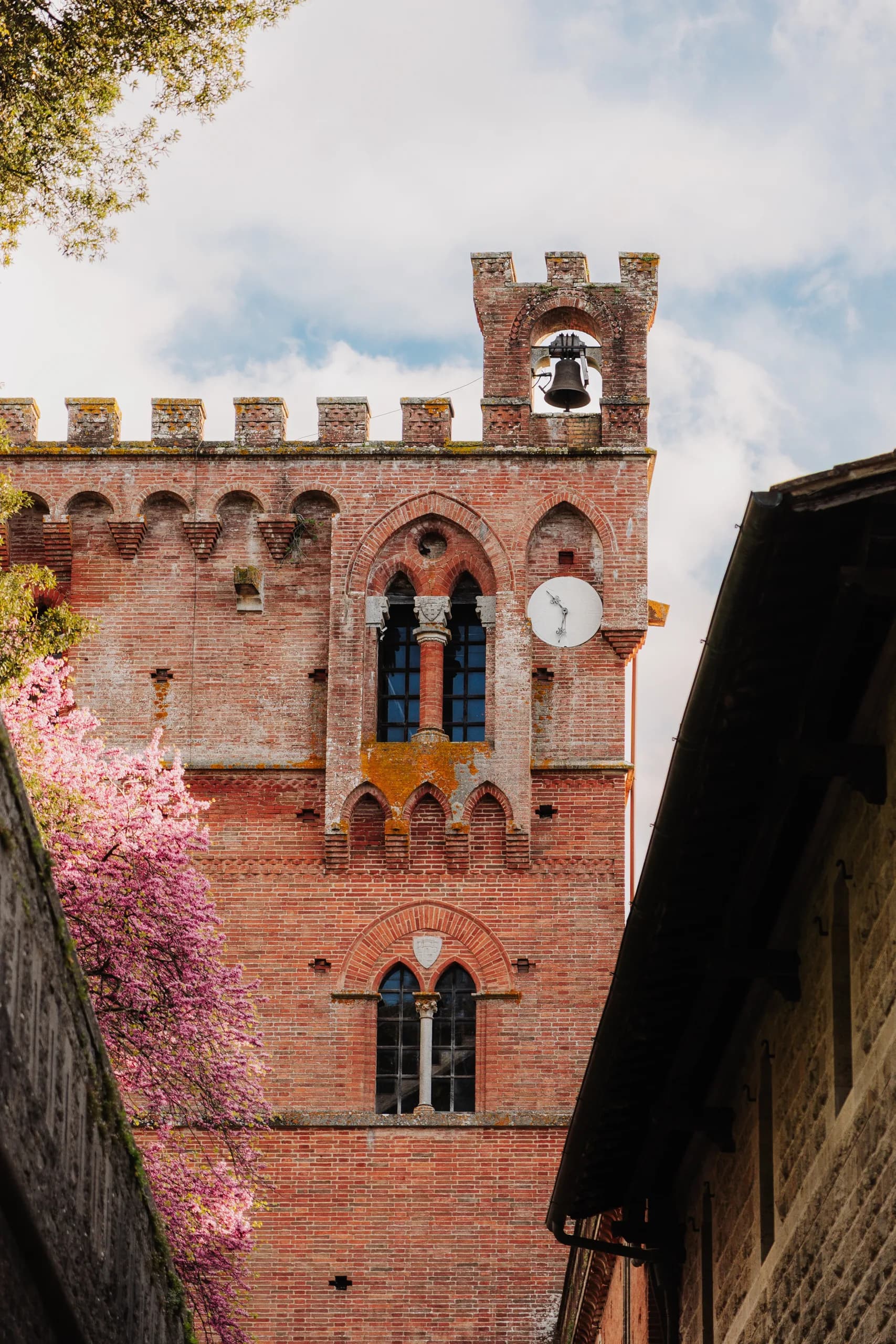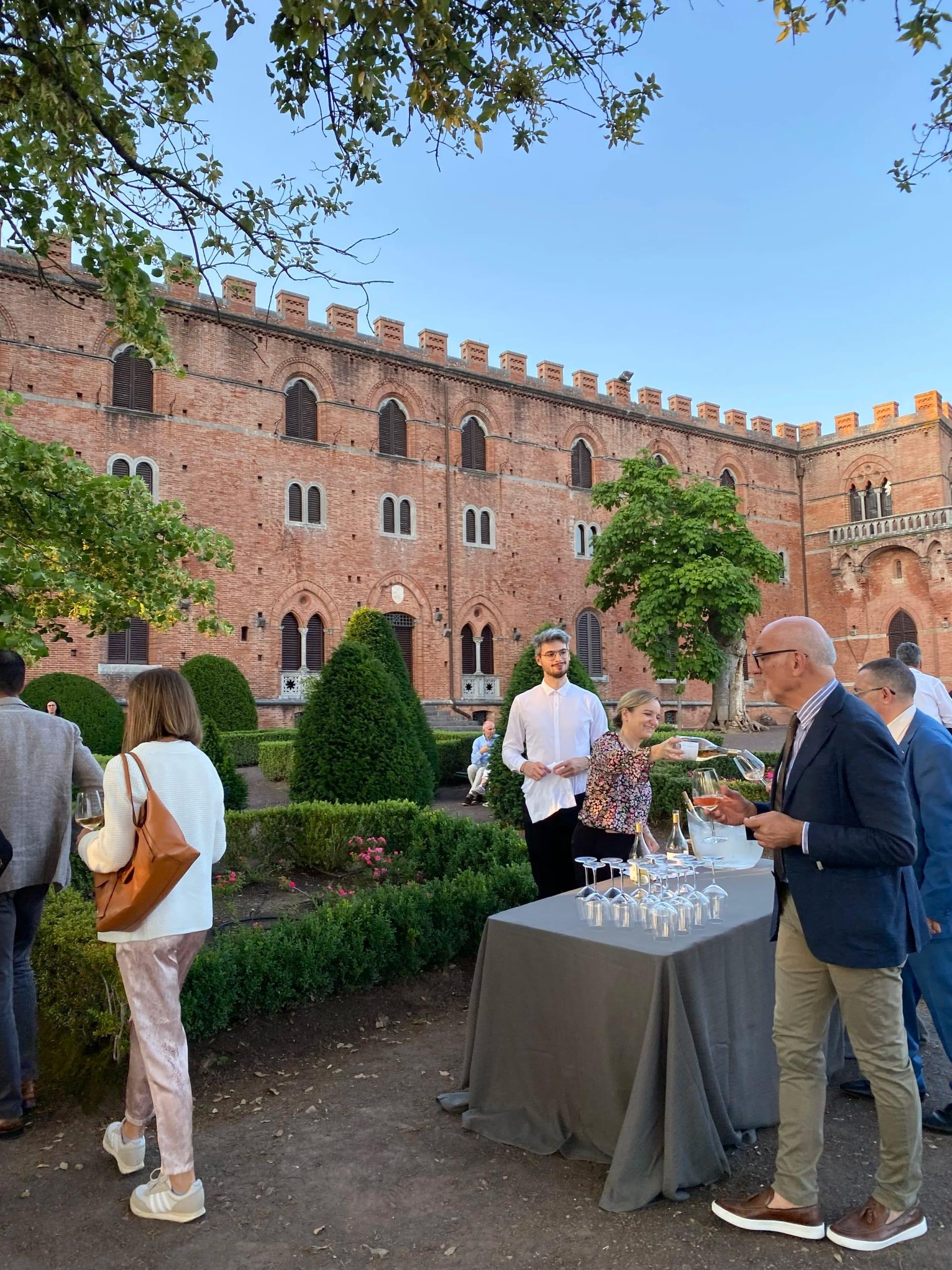
The grape harvest in Tuscany, the vendemmia, usually runs from late August to mid October. Early white and international varieties are picked first; Sangiovese, the region's main red grape, mostly comes in from mid September into October, with the later areas such as Montalcino often picking into October. The exact dates change every year with the weather.
For visitors, the harvest is a wonderful season to be in wine country, but not quite in the way many imagine. Estates are at their busiest, and most do not invite guests to pick. What you get instead is the energy of the season: tractors in the rows, the smell of fermenting must in the cellars and golden light over the vineyards.
When is the grape harvest in Tuscany?
There is no fixed date. Each estate decides when to pick each vineyard by tasting the grapes and measuring sugar and acidity, and a hot, dry summer can bring the harvest forward by weeks, while a cool one pushes it back. Over recent decades, the season has tended to start earlier than it used to.
As a rule of thumb, whites and early-ripening reds come first, from late August or early September. Sangiovese ripens late, so most of it is picked from mid September to early October. Higher vineyards ripen later than those in the valleys, so even within one estate the harvest can last several weeks.
Chianti Classico
An inland area of hills between Florence and Siena, with vineyards at a wide range of heights. Lower sites are picked before the higher, cooler ones.
Montalcino
The Brunello territory ranges from about 120 meters above sea level along the rivers to around 650 meters at its highest point, so picking dates vary widely across the hill.
What visitors can and cannot do during the vendemmia
Most wineries keep receiving guests during the harvest, but with fewer slots and a busier team. Tastings and cellar visits generally go ahead, and you may see grapes arriving, being sorted and going into the tanks, which makes for a vivid visit. Book well ahead: September and October are also among the most popular months for wine travel.
Picking grapes yourself is another matter. Harvesting is skilled, physical work done by trained crews on tight schedules, and estates have insurance and safety rules to respect. A few estates and farm stays offer short, organized harvest activities for guests; ask the property directly, and expect them to confirm dates only at short notice, once they know when the grapes are ready.
Be flexible. A visit booked for a picking day may become a cellar visit if rain stops work, and the reverse can happen too. That uncertainty is part of the season.
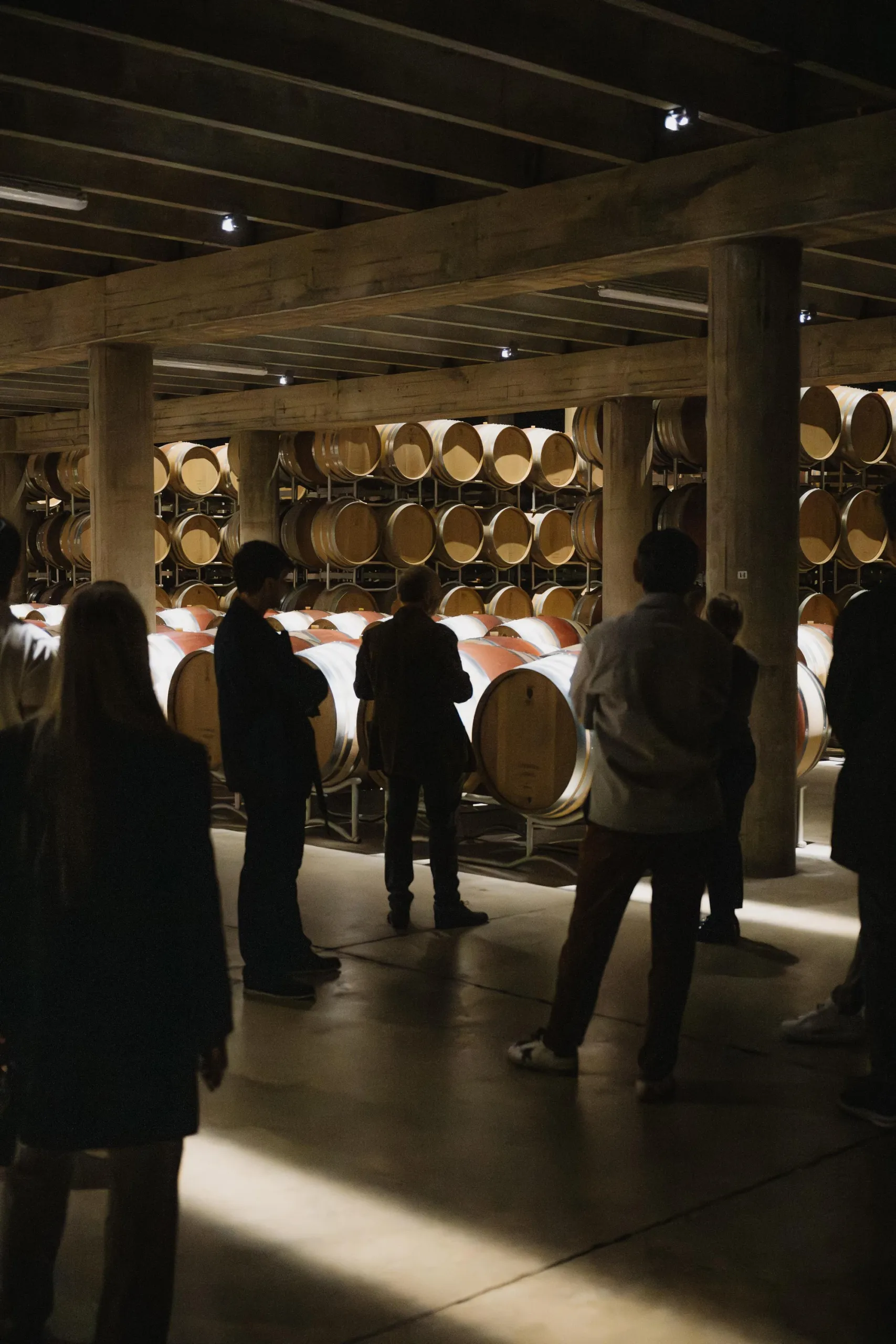
Where to experience the harvest
Chianti Classico is the easiest area to reach from Florence or Siena, with dozens of estates within an hour of either city. Montalcino, south of Siena, is a good choice if you want to see the harvest for Brunello, which is made only from Sangiovese and usually among the later wines to be picked.
In September, Greve in Chianti hosts the Expo del Chianti Classico, a wine fair in the town's main square where producers from across the denomination pour their wines. It usually falls before the main Sangiovese harvest and is a pleasant way to start a fall trip; check the official program for the year's dates.
Planning a fall trip around the harvest
If you want to see activity in the vineyards and cellars, aim for the second half of September or the first days of October. If you prefer quieter estates and calmer roads, late October is lovely: the harvest is mostly over, the new wine is fermenting, and the vineyards start to turn yellow and red.
Build some slack into the plan. Book wine visits for two or three days rather than one, keep at least one day free, and choose a base that puts you within easy reach of the estates you most want to see. Days are getting shorter by October, so plan drives back to your hotel before dark on country roads.
Pack for changing weather. Early fall in the Tuscan hills can bring warm afternoons, cool evenings and the odd heavy shower, and cellars are cool all year. Comfortable closed shoes are a good idea for vineyards, where the ground can be uneven or muddy after rain.
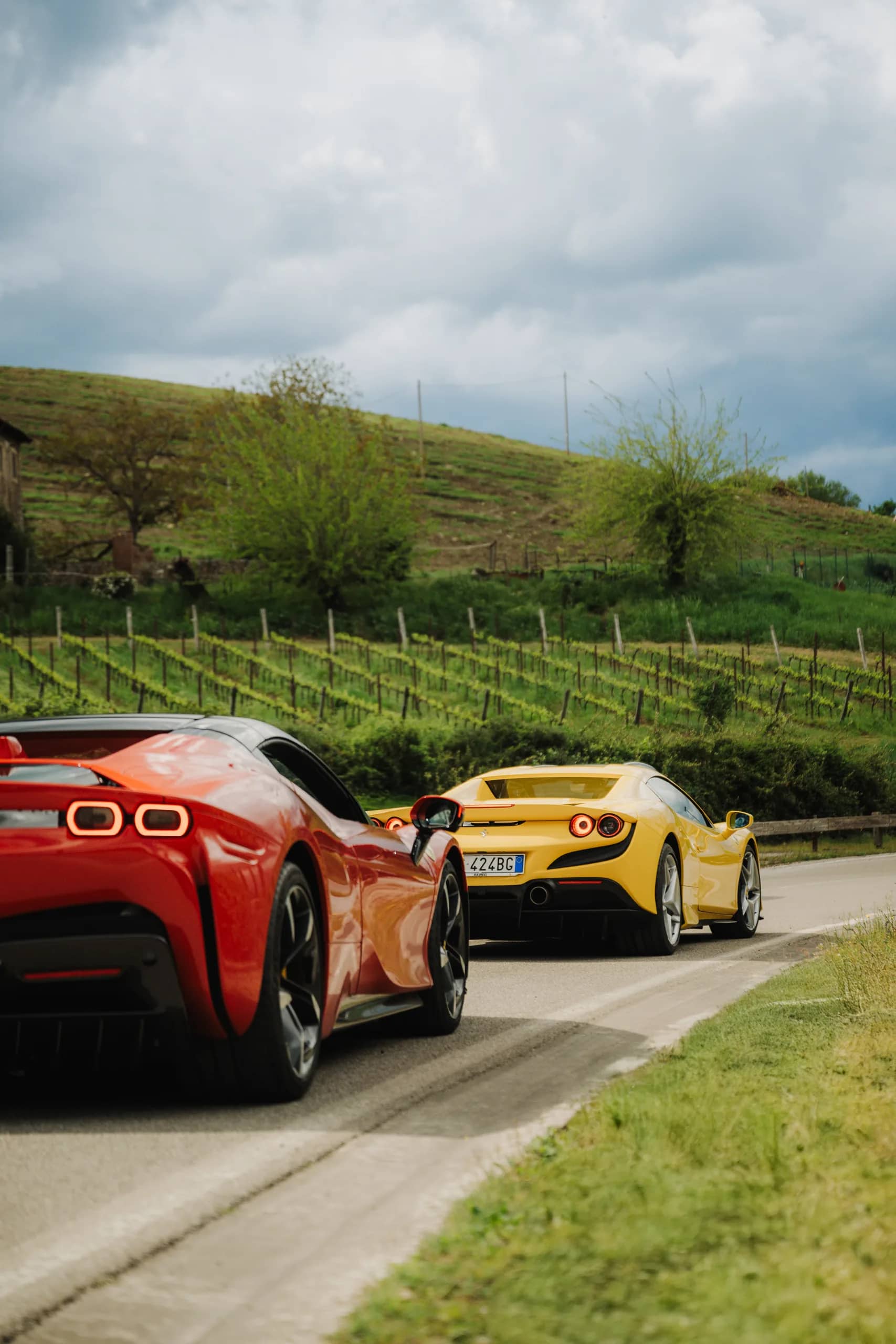
Finally, think about who drives. Harvest-season roads carry tractors and trailers loaded with grapes, often moving slowly on narrow lanes, and a day of tastings does not mix with driving. A private driver solves both problems.
Harvest season with a driver
The harvest is the busiest moment of the wine year, and a visit then is about atmosphere as much as tasting. Plan ahead, stay flexible and let the estates tell you what they can show you.
Rocca d'Italia organizes private chauffeur wine days at Castello di Brolio in Chianti Classico or at two Brunello estates, Col di Lamo and Casanova di Neri, from Siena. We reply with a proposal within about 48 hours.
Questions about the grape harvest in Tuscany
When is the grape harvest in Tuscany?
Usually from late August to mid October. Sangiovese, the main red grape, is mostly picked from mid September into October, but dates change every year with the weather.
Can tourists pick grapes in Tuscany?
Rarely. Most estates use trained crews and do not let visitors pick. A few farm stays and wineries offer short harvest activities for guests; ask directly and expect dates to be confirmed late.
Is September a good time to visit Tuscan wineries?
Yes. Tastings usually go ahead during the harvest, and you may see grapes being brought in and sorted. Book early, because estates are busy and it is a popular travel month.
What is the vendemmia?
Vendemmia is the Italian word for the grape harvest. In Tuscany it is the most important moment of the wine year, followed by fermentation in the cellar.
Is October too late for the harvest in Tuscany?
Not always. In many vintages Sangiovese is still being picked in early October, especially in higher or later areas such as Montalcino. By late October the harvest is mostly finished.