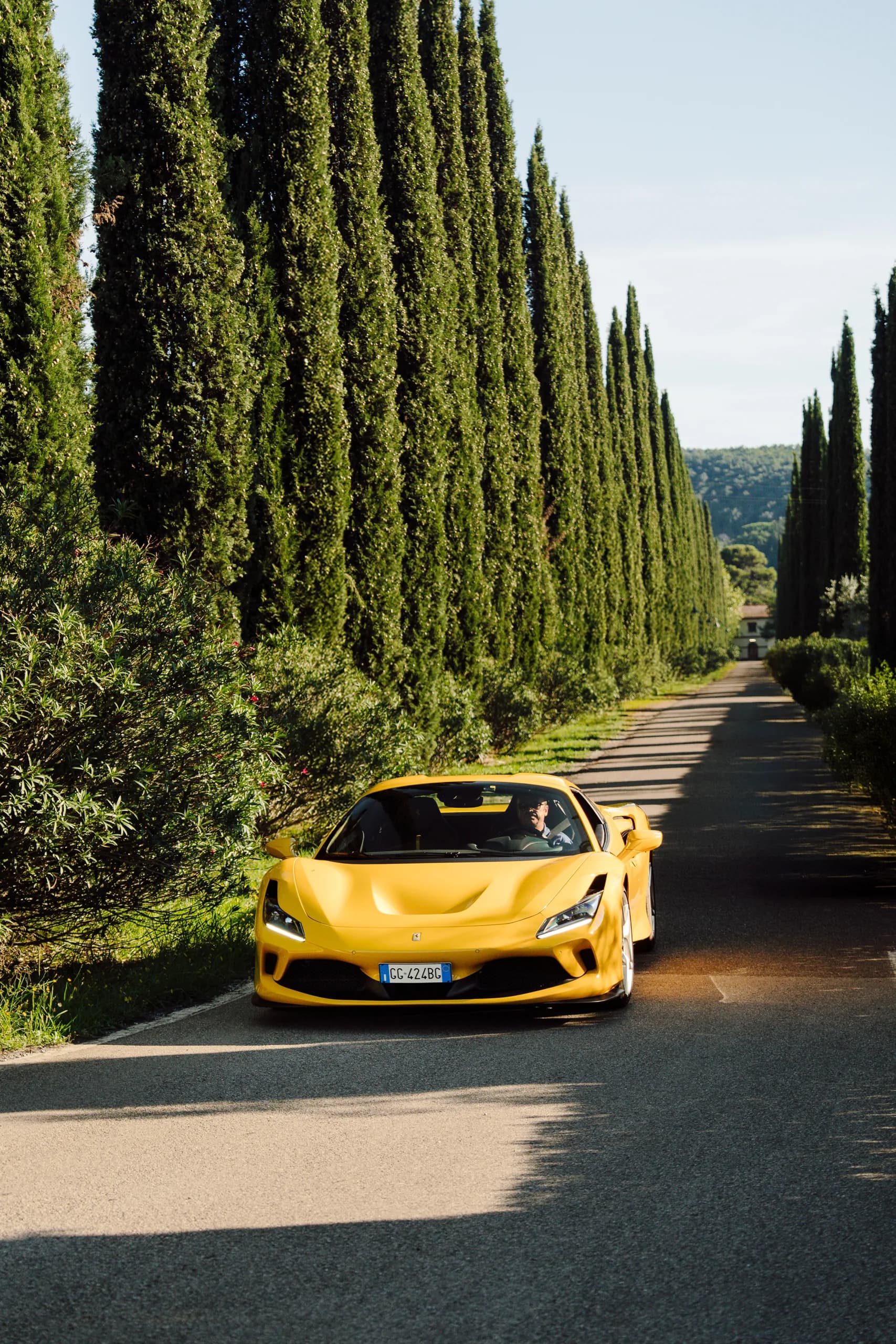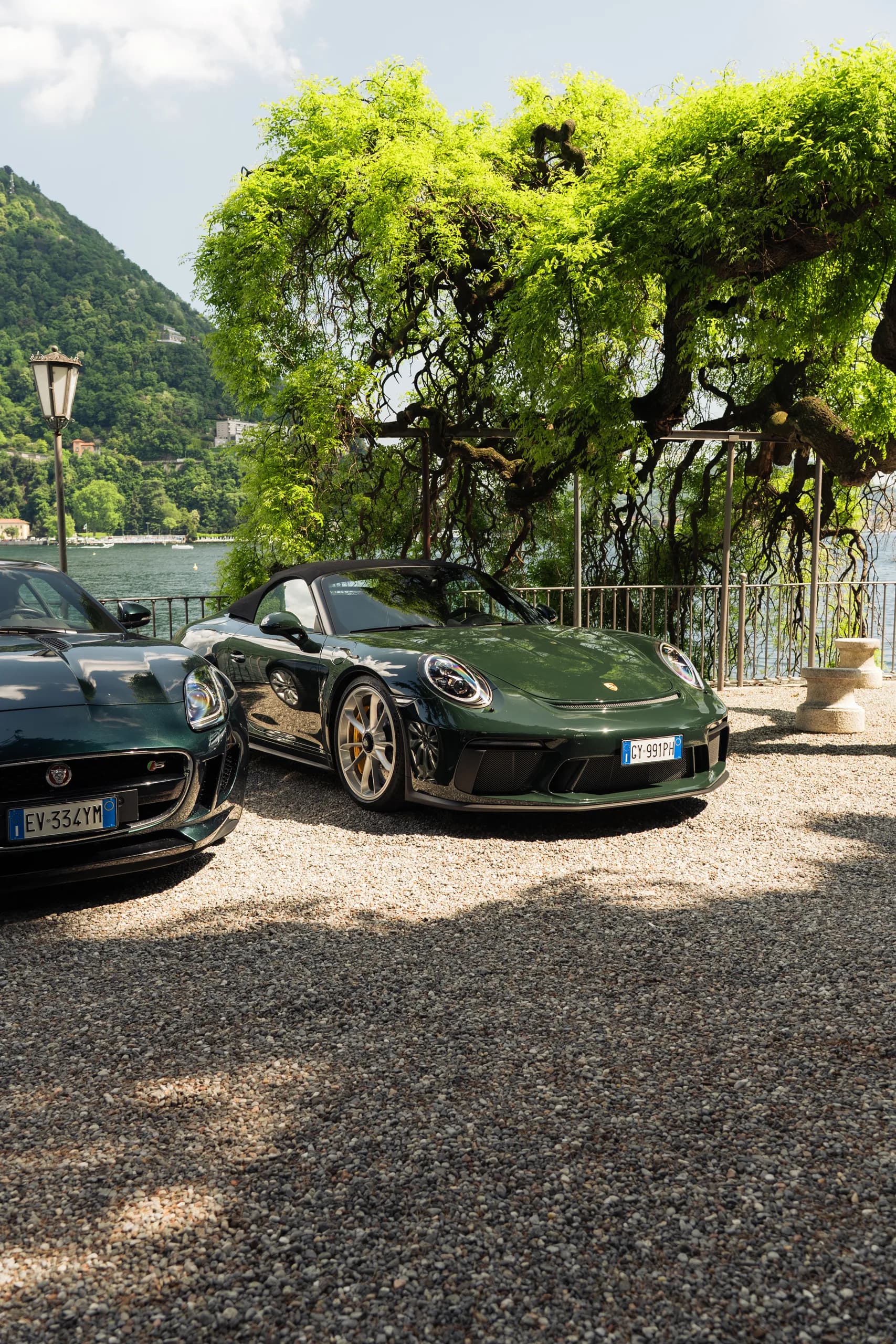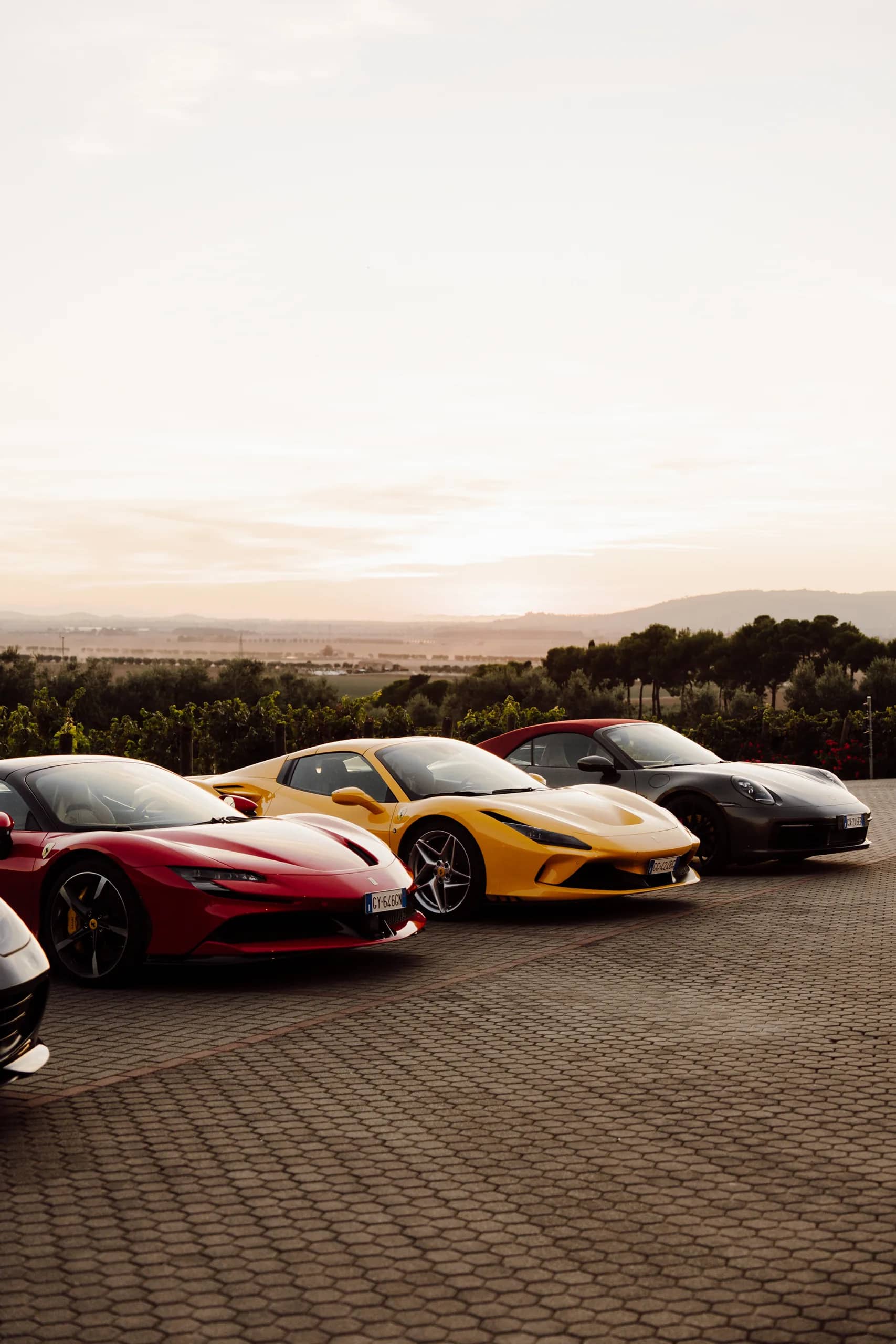
Driving in Italy as an American is very doable, and in the countryside it is one of the best ways to see the country. The main differences from the US are the paperwork (bring an International Driving Permit with your license), the restricted traffic zones in historic centers, lower alcohol limits, narrower roads and a driving style that is faster and more assertive than most Americans expect.
This is an overview, not a legal manual. It covers what changes when you cross the Atlantic: the types of road you will meet, how intersections and roundabouts work, how to fill up the tank, and the habits that take a day or two to get used to. For anything specific to your trip, check the current guidance from the U.S. State Department and the US Embassy in Italy before you leave.
Driving in Italy as an American: license and permit
The US Embassy in Italy advises American tourists who plan to drive to get an International Driving Permit before leaving the United States, and to carry it together with their valid US license. The permit is a translation of your license, not a replacement, and it is issued in the US through AAA or the American Automobile Touring Alliance. You cannot get one once you are in Italy.
Rental companies may not always ask for it at the counter, but the police can ask to see it at a roadside check. Carry your passport, license, permit and the car's documents together in the vehicle.
Road types and speed limits
Italy's road network has a clear hierarchy, and the signs are color-coded in a way that confuses many Americans: green signs point to the autostrada, the toll motorways, while blue signs mark the main non-motorway roads. Brown signs point to sights and attractions.
The general limits are 130 km/h on the autostrada, 110 km/h on main divided highways outside towns, 90 km/h on other rural roads and 50 km/h in built-up areas, unless signs say otherwise. In rain the motorway limit drops to 110 km/h and the divided-highway limit to 90 km/h. Many motorway stretches use average-speed cameras, and fixed cameras are common on rural roads and at the entrance to towns.
On the autostrada you usually take a ticket when you enter and pay when you exit. Avoid the lanes marked only for Telepass, the electronic toll system; look for the lanes showing cards or cash instead. Keep right except to pass. Italians pass quickly and expect the left lane to be cleared promptly.
Rural roads
Many Italian rural roads are narrow and winding, sometimes with little or no shoulder. In Tuscany and around the lakes this is exactly where the beautiful driving is, so allow more time than your map app suggests and watch for cyclists, tractors and buses on blind bends.
Intersections, roundabouts and ZTL zones
Roundabouts are everywhere, and most have a give-way sign on entry, which means traffic already circulating has priority. Read the signs at each one, because the rule is set by the signage. At intersections with no signs at all, the default rule in Italy is to give way to traffic coming from your right. There is no right turn on red.
The biggest trap for visitors is the ZTL, or zona a traffico limitato. Most historic centers, including Florence, Siena and many smaller towns, restrict car access to residents and permit holders, and entry is monitored by cameras. Fines for entering a ZTL in a rental car can reach your US address months later, often with an administrative fee from the rental company. When you see the ZTL sign, do not enter unless your hotel has registered your plate.
Fuel, alcohol and manual cars: what feels different from the US
Gas stations offer two kinds of pump: fai da te, meaning self-service, and servito, where an attendant fills the tank for you. Self-service is usually a little cheaper. Benzina is gasoline and gasolio is diesel; check which your car takes, because filling a gasoline car with diesel is a common and costly mistake. Unattended pumps are paid at a machine before you fill up, and some machines do not accept US cards, so keep some cash as a backup.
Italy's general blood alcohol limit is 0.5 grams per liter, stricter than the usual US limit, and it is zero for drivers who have held their license for less than three years. In practice, if you are driving, a glass of wine at lunch is the most you should plan on. On a wine day, the simplest answer is a driver who does not drink.
Most rental cars in Italy have a manual transmission. Automatics exist but are fewer and should be booked well in advance. Headlights must be on outside built-up areas, seat belts are mandatory for everyone, and using a phone while driving without a hands-free system is prohibited.

Driving in Italy without the stress
For most American visitors the hard part of driving in Italy is not the countryside but the edges of it: city traffic, ZTL cameras, parking and the first hour on the autostrada. A good plan keeps the car for the hills and the lakes and uses trains or a driver between cities.
If you would like to drive in Italy without handling rentals, tolls and navigation, Rocca d'Italia organizes private days where you take the wheel of a supercar, chosen with you from a fleet that includes Ferrari and Porsche models, on routes in Chianti and along Lake Como. Drivers from outside the EU bring an International Driving Permit with their license. We reply with a proposal within about 48 hours.
Questions about driving in Italy as an American
Can Americans drive in Italy with a US license?
Yes, together with an International Driving Permit, which the US Embassy in Italy advises getting before you travel. The permit is issued in the US through AAA or the American Automobile Touring Alliance and cannot be obtained in Italy.
What is a ZTL in Italy?
A zona a traffico limitato is a restricted traffic zone, usually in a historic center, where only residents and permit holders may drive. Entry is recorded by cameras, and fines are often mailed to visitors months later.
What is the speed limit on Italian highways?
The general limit on the autostrada is 130 km/h, reduced to 110 km/h in rain. Main divided highways are 110 km/h, other rural roads 90 km/h and towns 50 km/h, unless signs show otherwise.
Is it hard to drive in Italy?
The countryside is not hard, just narrower and faster than most US roads. The tricky parts are city centers, ZTL zones and parking, so many travelers keep the car for rural areas and use trains between cities.
Can you turn right on red in Italy?
No. A red light means stop for all directions unless a specific green arrow allows the turn.
What is the drink-driving limit in Italy?
The general limit is 0.5 grams of alcohol per liter of blood, lower than in most US states. It is zero for drivers with less than three years of license and for professional drivers.