Custom Italy tours work in four steps: you send a brief, the planner sends back a proposal with an estimate, you adjust it together, and the plan is confirmed. Nothing is taken from a fixed brochure. The quality of the result depends far more on the first message than most travelers expect.
This guide walks through each step from the traveler's side: what a useful brief contains, how to read a proposal, how changes are handled, and what to have ready before you write. It applies whether your trip is three days in Tuscany or two weeks across the north of Italy.
What custom Italy tours actually are
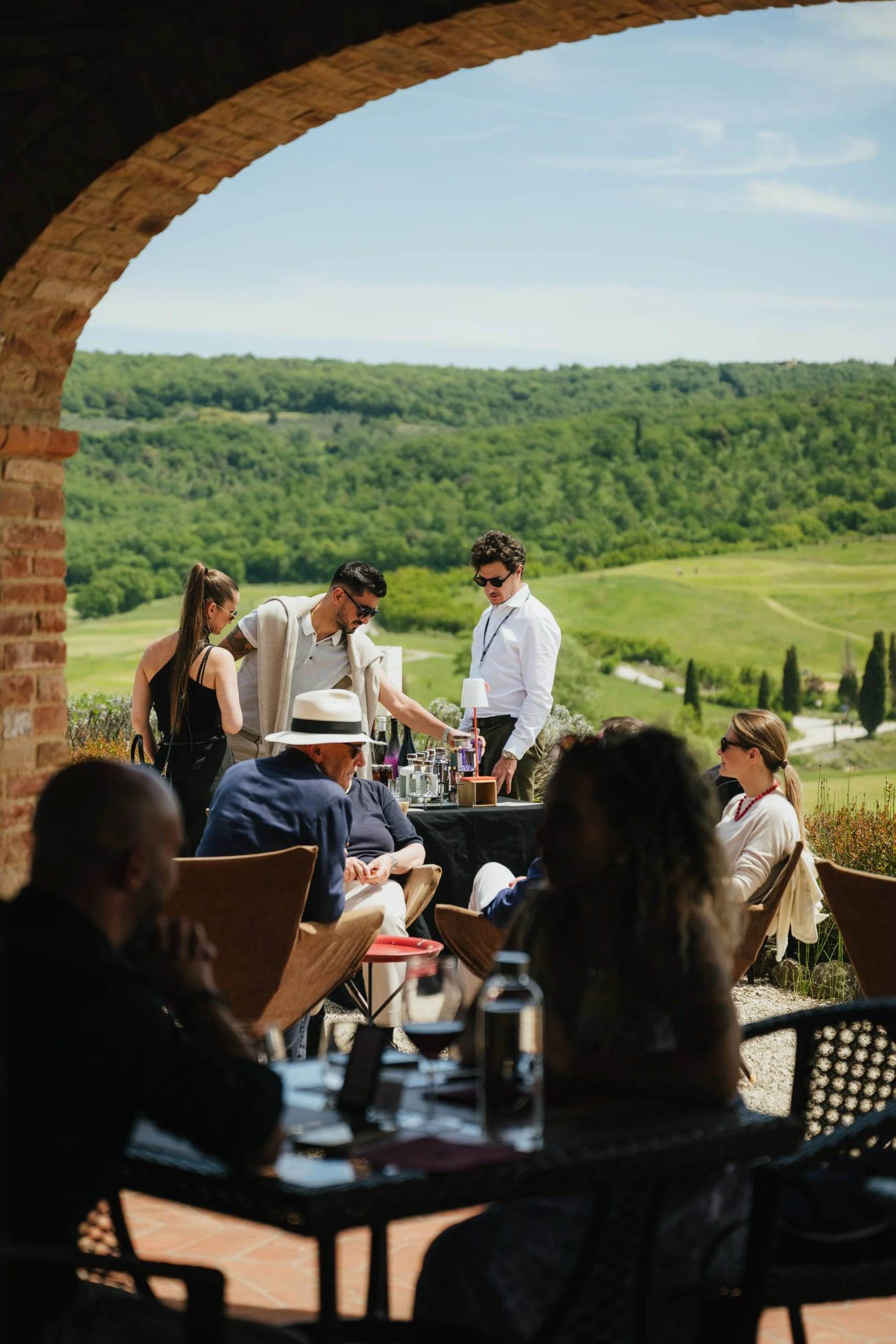
A tailor-made tour is a plan built around your dates, your group and the places you sleep, rather than a set departure you join. That changes the shape of every day. Pickups start at your hotel instead of a meeting point, lunch happens where it makes sense for the route, and nobody else's schedule decides when you leave.
It also means trade-offs are yours to make. A ready-made tour hides them: it decides that you will see four towns before lunch. A custom plan puts the question in front of you. Do you want one wine estate visited slowly, or two in a single day? A morning in Siena or a drive through the hills? Good planners will push back when a wish list does not fit into a day, and that pushback is part of what you are paying attention to.
Step one: the brief
The brief is your first message, and it does most of the work. A short note that says only the dates and a region leaves the planner guessing. A clear one lets them come back with something close to right on the first attempt.
Dates and flexibility
Give the exact dates you are in each place, and say which days are fixed and which can move. A planner can only fit a wine day or a driving day around the nights you already have booked.
Who is traveling
The number of people, their ages if children or older relatives are coming, and anything that affects the day: mobility, dietary needs, someone who does not drink.
Where you are staying
The hotel or town for each night. In Tuscany it decides almost everything: Florence opens Chianti Classico, Siena opens the south, and the two cities are about an hour apart.
What a good day looks like to you
One or two sentences in your own words are worth more than a list of famous names. Slow and quiet, or full and varied. Wine as the point, or wine as one stop among several.
Step two: the proposal and the estimate
The proposal is where your brief becomes a plan. A useful one names the route for each day, the stops and the order they come in, roughly how long you spend at each, who drives, and what is included. It should be specific enough that you could picture the day from it.
The estimate comes with it. In tailor-made travel there is rarely a published price, because the cost depends on the date, the group size, the vehicles and the places you visit. Read the estimate alongside the plan rather than on its own: if a figure surprises you, the question is usually which element is driving it, and whether that element matters to you.
Check the proposal against your own map. Look for any day that tries to cover too much ground. In the Tuscan countryside the roads are narrow and winding, and a route that looks short on a screen can fill a morning. A plan with breathing room is almost always a better day than one that adds a third stop.
Step three: changes
The first proposal is a starting point, not a contract. Change requests are normal, and the best ones are specific. Instead of saying a day feels too busy, say which stop you would drop. Instead of asking for something more special, say what you liked about a previous trip.
Each change has knock-on effects. Moving a wine visit from one day to another may change the estate, because many receive visitors by appointment only and their calendars fill in busy months. Adding a guest may change the vehicle. A good planner will tell you what a change touches before making it, so you can decide with the full picture.
Give your changes in one message where you can. A single, consolidated reply gets a cleaner revised proposal than a series of small notes over several days, and it keeps everyone working from the same version.
What to have ready before you ask
A few things save a round of emails. Your flight dates and the airport, so arrival and departure days are planned realistically. Your hotel list, even if some nights are still open. And a sense of your priorities: if you could do only one thing in Tuscany, what would it be.
If anyone in the group wants to drive, check their documents now. Drivers with a US license need an International Driving Permit to drive in Italy, issued in the United States by AAA or the American Automobile Touring Alliance. It is valid for one year from the date of issue, and it cannot be obtained once you arrive.
Finally, decide who in your group makes the decisions. Plans move faster when one person collects everyone's views and replies to the planner. It also avoids two people confirming different versions of the same day.
How it works with us
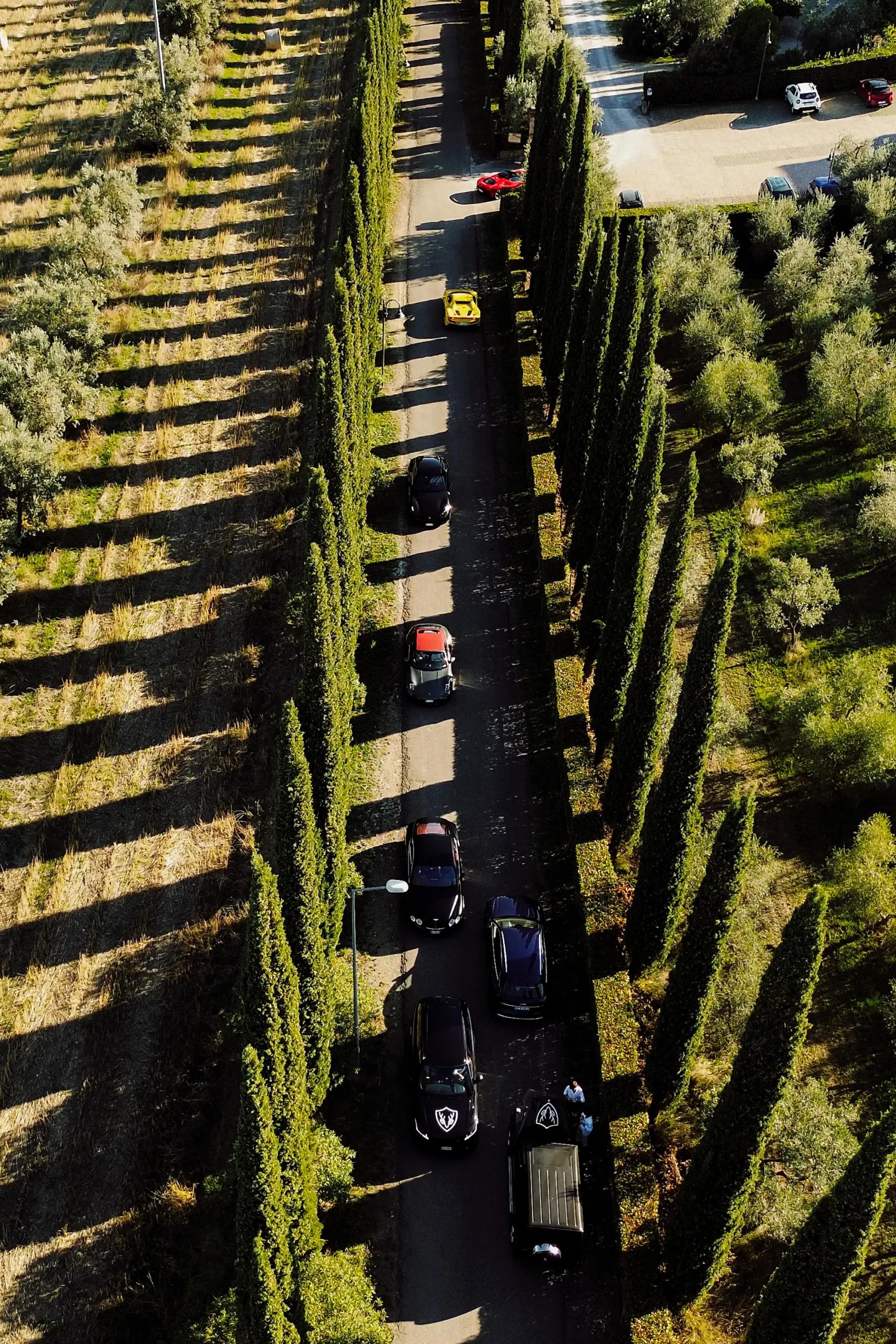
Rocca d'Italia organizes private days in Tuscany and on Lake Como, always for your group only: at the wheel of a supercar or a classic car, or with a private chauffeur to the wine estates. Send us your dates, your group and where you are staying, and we reply with a proposal and the estimate within about 48 hours. We do not publish prices, because every plan is different.
If you are based somewhere our days do not depart from, such as Rome, tell us anyway: we can look at a tailor-made plan built around where you are.
Questions about custom Italy tours
How do custom Italy tours work?
You send a brief with your dates, group and hotels, and the planner sends back a proposal with an estimate. You adjust it together, then confirm. The plan is built around where you sleep rather than a fixed departure.
How far in advance should I plan a custom tour of Italy?
As early as your dates and hotels are clear. Many wine estates receive visitors by appointment only and fill up in busy months, so an early brief gives the planner more choice.
Why don't tailor-made tour companies publish prices?
Because the cost depends on the date, the group size, the vehicles and the places visited. The estimate comes with the proposal, once those details are known.
What should I include when I ask for a custom itinerary?
Your exact dates, the number and ages of travelers, where you are staying each night, any dietary or mobility needs, and a short description of what a good day looks like to you.
Can I change a tailor-made proposal?
Yes. The first proposal is a starting point. Specific requests, sent together in one message, get the cleanest revision, and a good planner will tell you what each change affects.