The short answer to Chianti Classico vs Chianti: they are two separate appellations. Chianti Classico comes only from the historic zone between Florence and Siena and carries the black rooster seal. Chianti, without the word Classico, is a much larger denomination that covers a broad ring of Tuscany around it, with its own rules and its own subzones.
Both are red wines built on Sangiovese, and both carry the DOCG, Italy’s top tier of appellation. That is why they are so often confused. But they are governed by different consortia, made under different production codes, and they come from different places. Once you know what to look for, you can tell them apart in a few seconds.
Where each wine comes from
Chianti Classico is the original Chianti. The hills between Florence and Siena were the first area to be called Chianti, and in 1716 a decree of the Grand Duke of Tuscany, Cosimo III de’ Medici, drew its boundaries, one of the earliest legal definitions of a wine zone anywhere. Today the Chianti Classico area takes in the whole municipalities of Greve, Castellina, Radda and Gaiole, and parts of four more. It is hill country: woods of oak and chestnut, scattered vineyards, stone villages along the ridges.
As Chianti wine became famous, production spread far beyond those hills, and in the twentieth century the name Chianti was extended to a much larger area across the provinces of Florence, Siena, Arezzo, Pisa, Pistoia and Prato. That wider Chianti is divided into subzones, among them Rufina, Colli Fiorentini, Colli Senesi, Colli Aretini, Colline Pisane, Montalbano and Montespertoli. A bottle from one of these may name the subzone on the label, such as Chianti Rufina.

Chianti Classico vs Chianti: separate appellations since 1996
For decades the historic zone was treated as a subzone of Chianti. In 1996 Chianti Classico became an autonomous DOCG with its own production code, and since then it has been legally a different wine from Chianti, not a premium version of it. The producers’ consortium behind it, the Consorzio Vino Chianti Classico, was founded in Radda in Chianti in 1924 and is considered the oldest wine consortium in Italy.
The rules are different too. Chianti Classico must contain at least 80 percent Sangiovese, with the rest from other permitted red grapes; white grapes are no longer allowed. The general Chianti DOCG asks for a lower minimum of 70 percent Sangiovese, and its subzones set their own requirements on top of that.
Chianti Classico, the three tiers
The consortium lists Annata, released after at least twelve months of ageing; Riserva, after at least twenty-four; and Gran Selezione, after at least thirty, including three in bottle. Gran Selezione, introduced as a top tier in the 2010s, also asks for a higher share of Sangiovese.
Chianti, the wider family
Chianti DOCG includes young wines meant to be drunk early, Riserva wines aged longer, and a Superiore category. Quality ranges widely, and the best subzone wines, from Rufina in particular, are serious bottles in their own right.
How to tell them apart on a shelf or wine list
Look at the neck of the bottle. Every Chianti Classico carries the Gallo Nero, the black rooster, on a numbered seal around the neck or on the label. It is the emblem of the consortium and the quickest way to recognize the wine. Then read the label: the words Chianti Classico appear together, as the name of the denomination. A plain Chianti will say Chianti DOCG, sometimes followed by a subzone or by Superiore.
On a wine list in Florence or Siena, Chianti Classico entries often name the village or estate, such as Radda, Gaiole or Castellina. The words Riserva and Gran Selezione are also clues, since Gran Selezione exists only within Chianti Classico.
The old straw-covered flask, the fiasco, has little to do with any of this today. It belongs to an earlier era of mass-produced Chianti; you will rarely find a serious Chianti Classico in one.
How they taste, and which to order
Generalizations are risky with a grape as sensitive to place as Sangiovese, but some patterns hold. Chianti Classico, grown higher and on poorer soils, tends to show more structure, firmer acidity and red-fruit and floral notes, and the Riserva and Gran Selezione wines can age for years. Basic Chianti is usually lighter, softer and made to be drunk young, which makes it an honest pizza or trattoria wine.
With a bistecca alla fiorentina or a plate of pici with wild boar ragù, order a Chianti Classico Riserva. For a weeknight pasta or a casual lunch, a good young Chianti does the job. If you see a Chianti Rufina on the list, try it: it is the subzone wine most often compared with Classico.
Tasting the difference where it is made
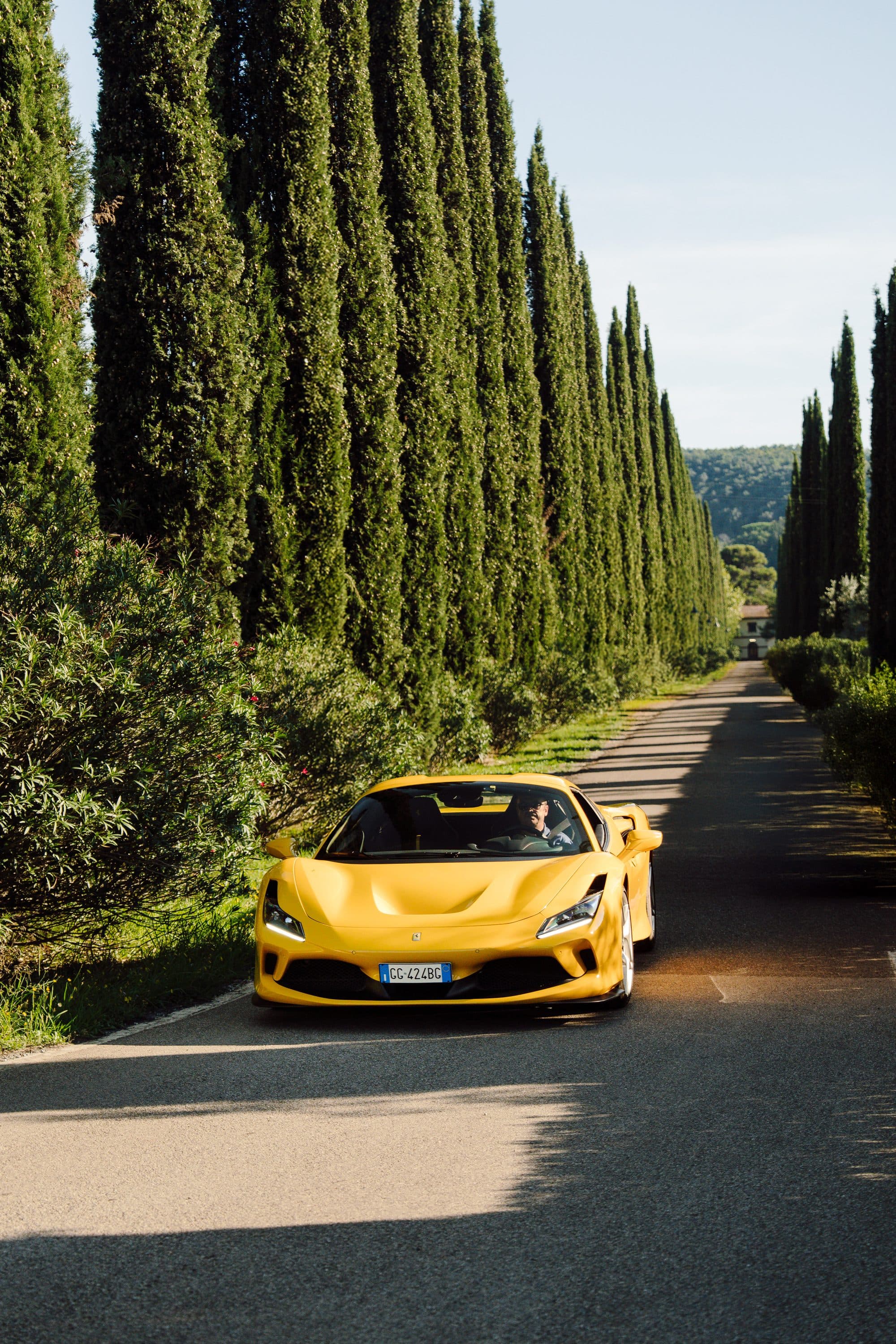
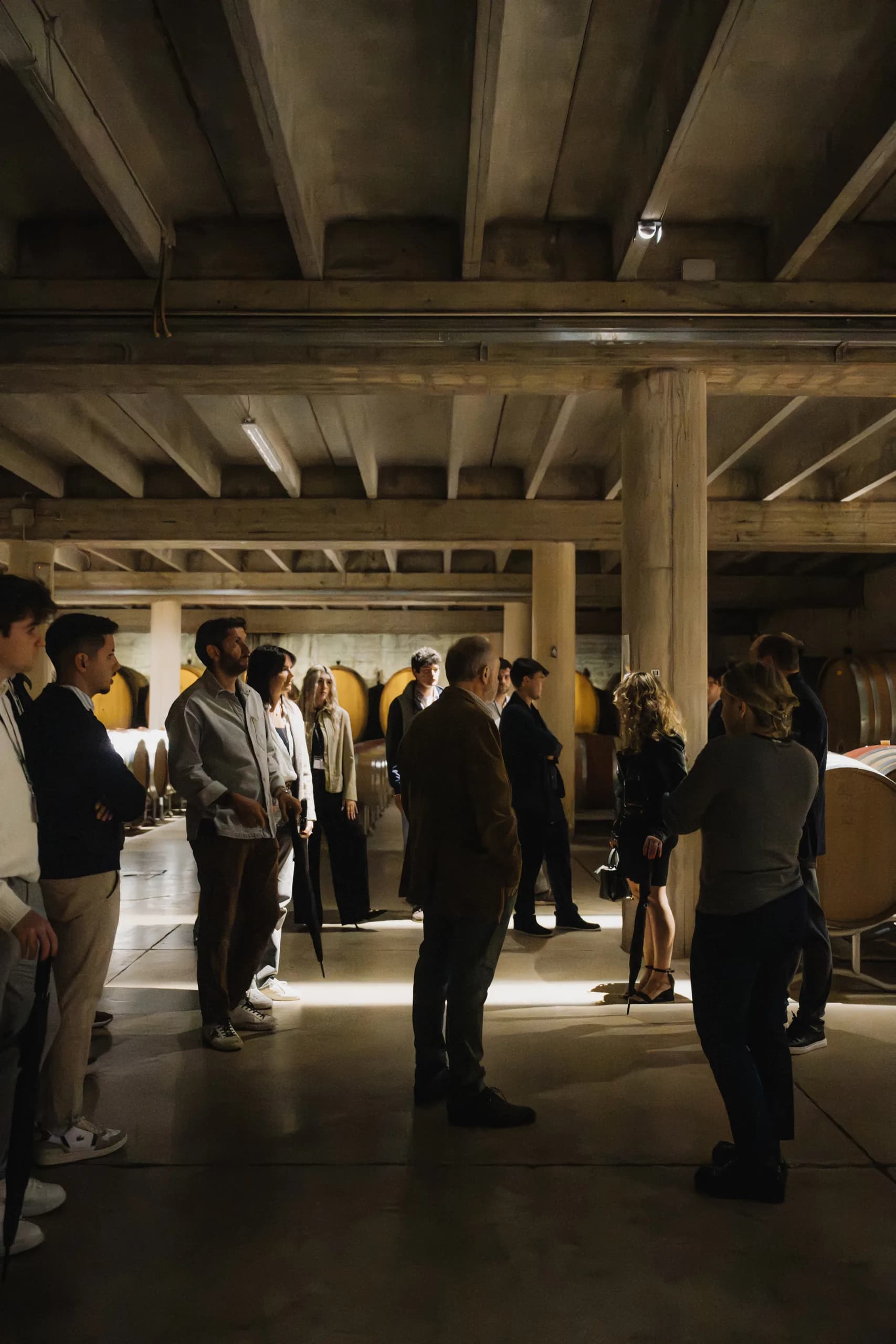
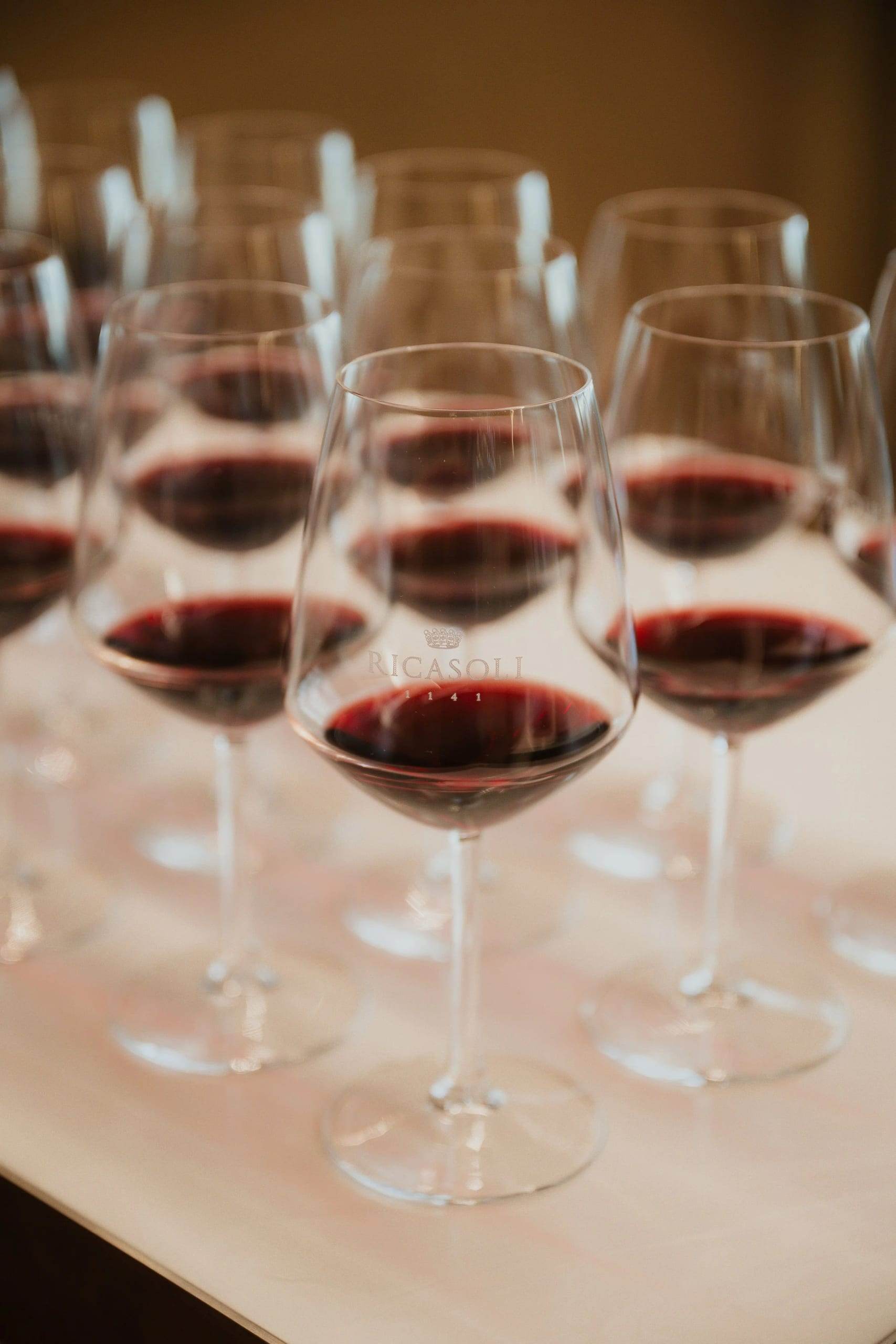
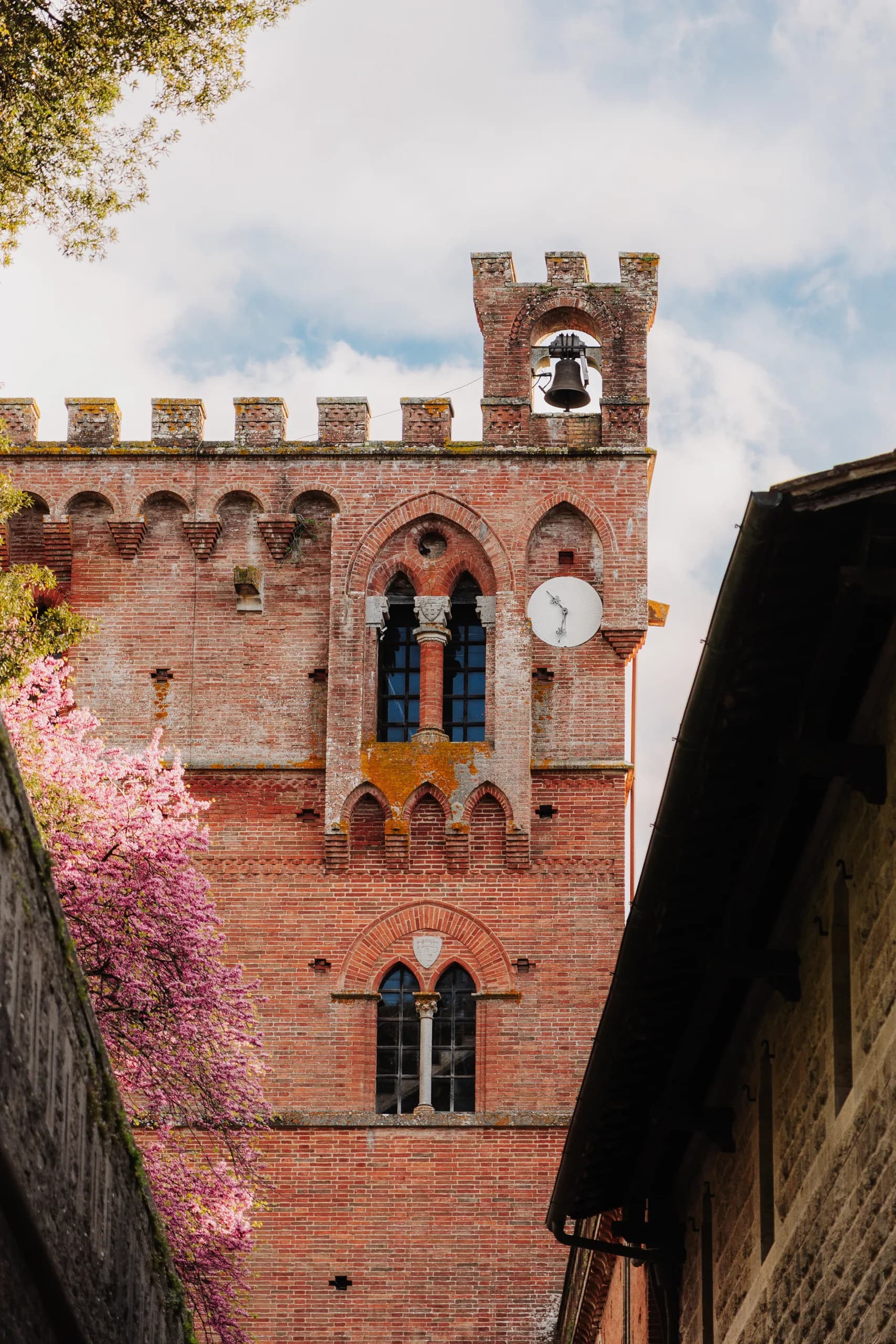
The clearest way to understand Chianti Classico is to stand in it: the hills between Florence and Siena are an easy day from either city, and most estates receive visitors by appointment. Rocca d’Italia runs private days there with a chauffeur, at Castello di Brolio or at Brolio and Castello di Radda, with a tasting and lunch, and a proposal with the estimate arrives within about 48 hours. For the full picture of the region’s wines, start with our wine-tasting guide.
Questions about Chianti Classico and Chianti
Is Chianti Classico better than Chianti?
Not automatically, but it is held to stricter rules and comes from the historic hill zone, so the average quality is higher. A fine Chianti Rufina can beat a weak Chianti Classico. The appellation tells you where the wine is from, the producer tells you how good it is.
What does the black rooster on Chianti mean?
The black rooster, or Gallo Nero, is the emblem of the Chianti Classico consortium. It appears on a seal on every bottle of Chianti Classico, and only on Chianti Classico. A plain Chianti will not carry it.
Are Chianti and Chianti Classico the same grape?
Both are based on Sangiovese. Chianti Classico requires at least 80 percent Sangiovese, while the general Chianti DOCG requires at least 70 percent. The rest can be other permitted red grapes.
When did Chianti Classico become separate from Chianti?
In 1996, when Chianti Classico was recognized as an autonomous DOCG with its own production code. Before that it was treated as a subzone of the wider Chianti appellation.
What is Chianti Classico Gran Selezione?
The top tier of Chianti Classico, above Annata and Riserva. It requires at least thirty months of ageing and a higher share of Sangiovese. It exists only within Chianti Classico, not in the wider Chianti DOCG.