Brunello vs Vino Nobile comes down to three things: Brunello di Montalcino is always 100 percent Sangiovese and must age longer before release, while Vino Nobile di Montepulciano allows other grapes alongside Sangiovese and reaches the market sooner. Both are DOCG reds from the province of Siena, and both received the DOCG in 1980.
In the glass, Brunello is usually the bigger, more structured wine, built to age; Vino Nobile is often more approachable when young, with the same Sangiovese character in a slightly softer frame. Those are tendencies, not laws, and the producer matters as much as the appellation. Here is what the rules say, and how that shows up when you drink them.
Brunello di Montalcino: one grape, long ageing
Brunello comes only from within the historic boundaries of the municipality of Montalcino, about forty kilometers south of Siena. It is made entirely from Sangiovese, which locally goes by the name Brunello; no other grape is allowed, and the producers have voted to keep it that way.
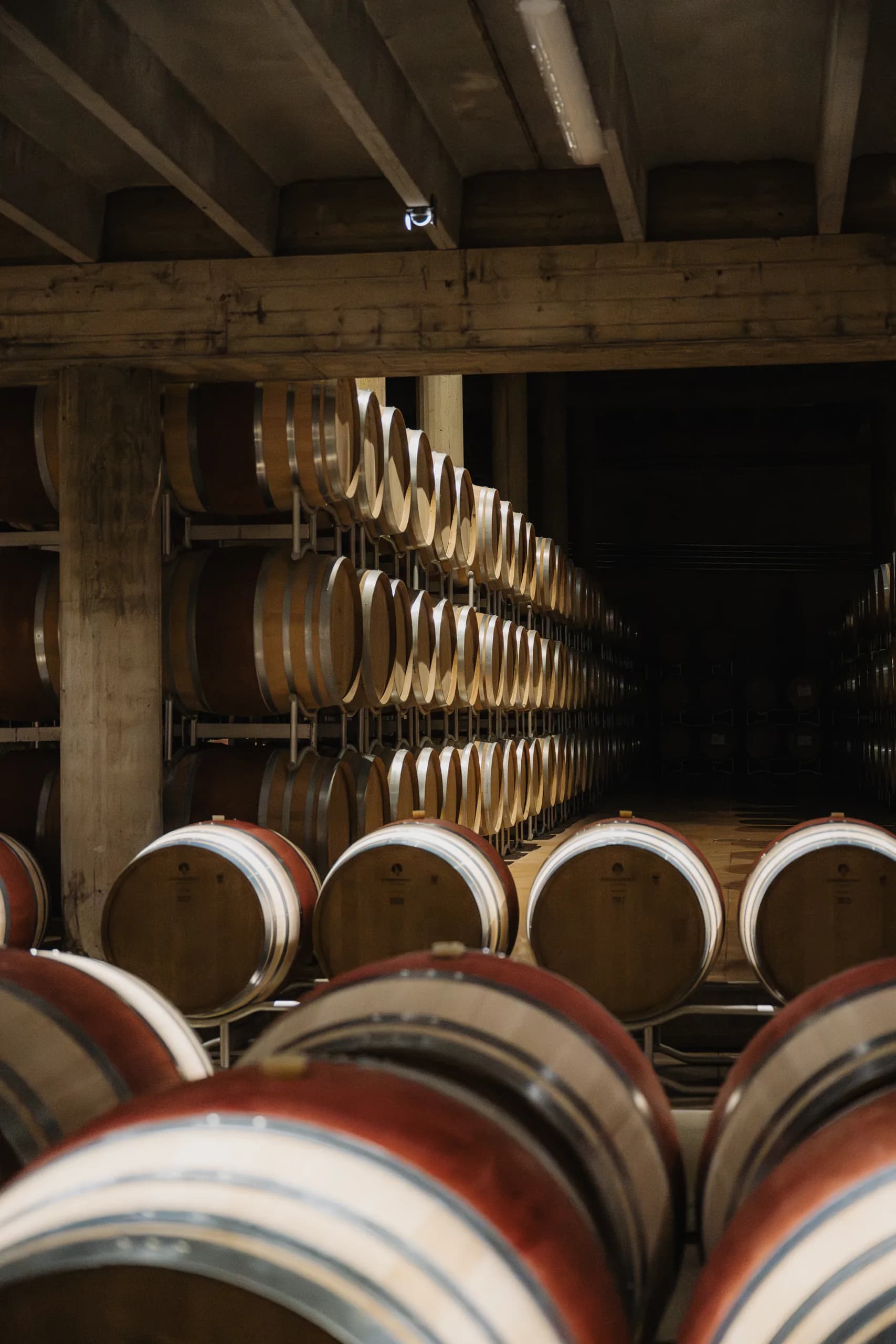
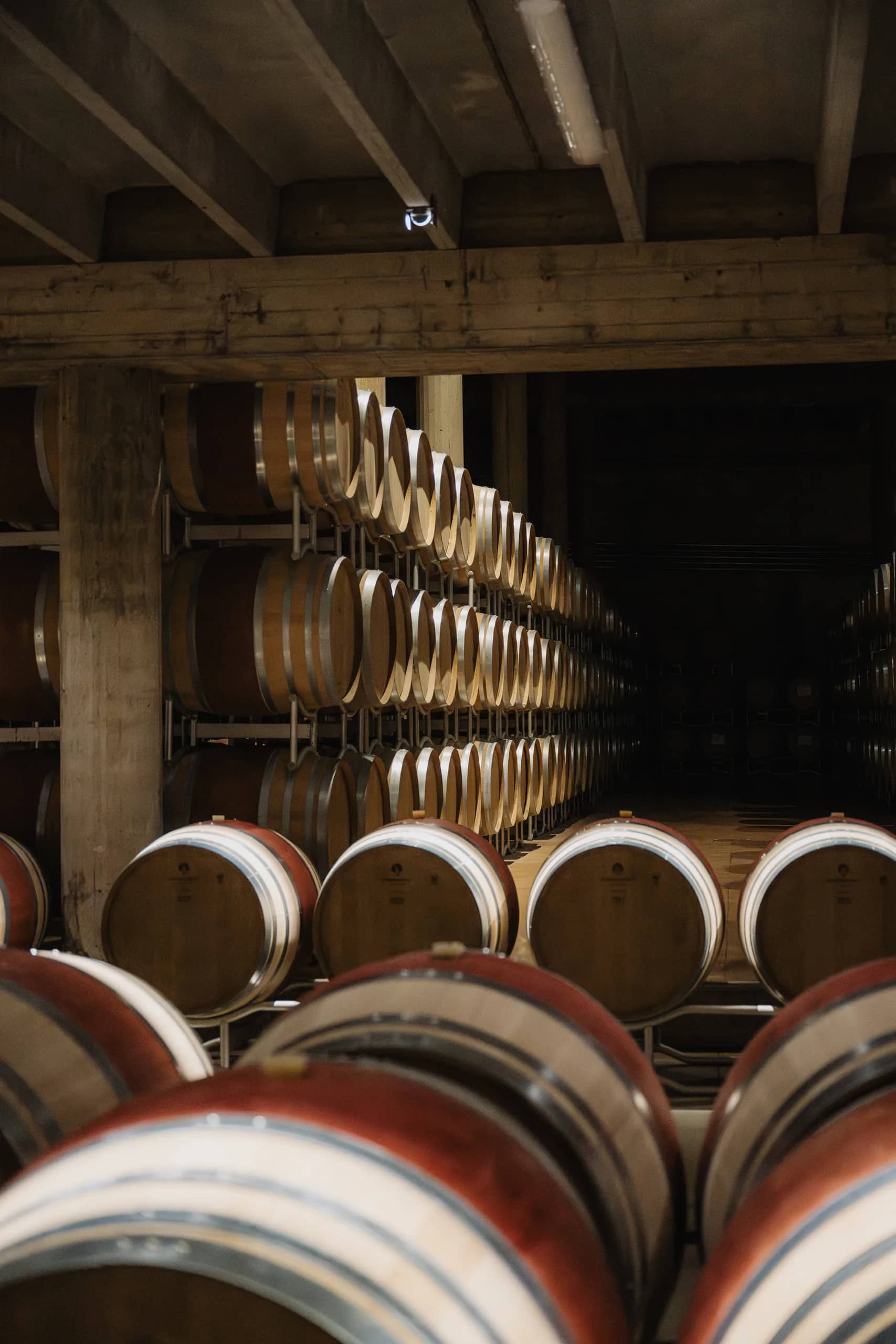
The ageing rules are among the strictest in Italy. Brunello must spend at least two years in oak and at least four months in bottle, and it cannot be released before the first of January of the fifth year after the harvest. A Riserva needs at least six months in bottle and is released a year later. The DOC came in 1966, the producers’ consortium was founded the year after, and the DOCG followed in 1980.
Rosso di Montalcino
The younger wine from the same vineyards, also pure Sangiovese. There is no minimum time in wood, and it can be released from the first of September of the year after the harvest. It is the everyday Brunello, and often good value on a wine list.

Vino Nobile di Montepulciano: Sangiovese with a partner
Vino Nobile comes from the vineyards around the town of Montepulciano, on the eastern side of the Val d’Orcia toward the Val di Chiana. It must contain at least 70 percent Sangiovese, known here as Prugnolo Gentile. The rest can be other permitted grapes, traditionally local varieties such as Canaiolo, and the blend is one reason the wine can feel rounder than a Brunello.
The minimum ageing is two years from the first of January after the harvest, with part of that time in wood. The Riserva requires at least three years, six months of them in bottle. Rosso di Montepulciano is the younger, earlier wine of the same area, and the newest category, Pieve, ties the wine to specific historic areas within the municipality.
One point of confusion worth clearing up: Vino Nobile di Montepulciano has nothing to do with Montepulciano d’Abruzzo, which is a different grape from a different region. In Tuscany, Montepulciano is the town.

How Brunello and Vino Nobile taste side by side
Pour them next to each other and the difference is usually clear. Brunello tends toward darker fruit, firmer tannins and a long finish, and a young bottle can feel tight; good vintages develop for many years. Vino Nobile typically shows red cherry, a little spice and softer edges, and it is easier to enjoy within a few years of release.
Brunello is the more famous name in the United States, and it is the one most restaurants list first. Vino Nobile is less known abroad, which makes a good Riserva one of the more rewarding discoveries on a Tuscan wine list. Both share the high acidity of Sangiovese, which is what makes them work with food, and both change a great deal with a few years in bottle.
Brunello vs Vino Nobile: which one to choose
Choose Brunello if you like structured, age-worthy reds and plan to open the bottle with a steak, game or aged cheese, or if you want to cellar something from your trip. Choose Vino Nobile if you want a Tuscan red to drink now, with pasta, roast meats or a long lunch, or if you find young Brunello too austere. If you cannot decide, start with the two younger wines, Rosso di Montalcino and Rosso di Montepulciano, and you will learn the house styles quickly.
The towns themselves are easy to visit from Siena: Montalcino lies on the western side of the Val d’Orcia, Montepulciano on the eastern side, and each is about an hour’s drive. They do not fit comfortably into the same tasting day; give each its own.
Reading the label and serving the wine
On the shelf, look for the full names. Brunello di Montalcino and Vino Nobile di Montepulciano are both written out on the label together with the letters DOCG; a bottle that says only Rosso is the younger wine of the same area. The vintage matters more with Brunello, because the wine is released later and the year of the harvest shapes how long it will need.
Serve both a little below room temperature, in a large glass. A young Brunello benefits from being opened or decanted some time before the meal; a Vino Nobile is usually ready sooner. If you are bringing bottles home, Brunello Riserva is the one to lay down, and Vino Nobile or the two Rossi are the ones to open first.
Tasting them at the source
Most estates in both areas receive visitors by appointment, and a visit teaches more about the difference than any article. Rocca d’Italia runs private chauffeur days from Siena to Casanova di Neri in Montalcino and to Boscarelli in Montepulciano, one appellation per day, with the estimate sent in a proposal within about 48 hours.
Questions about Brunello and Vino Nobile
Is Brunello better than Vino Nobile?
Brunello is the more famous and usually more structured wine, but better depends on the bottle and the drinker. A good Vino Nobile Riserva can outshine an ordinary Brunello, and it is often easier to enjoy young.
Are Brunello and Vino Nobile the same grape?
Both are based on Sangiovese. Brunello must be 100 percent Sangiovese; Vino Nobile requires at least 70 percent, locally called Prugnolo Gentile, with other permitted grapes allowed for the rest.
How long is Brunello aged before release?
At least two years in oak and four months in bottle, with release no earlier than the first of January of the fifth year after the harvest. The Riserva is released a year later.
Is Vino Nobile the same as Montepulciano d’Abruzzo?
No. Vino Nobile di Montepulciano is a Sangiovese-based wine named after the Tuscan town of Montepulciano. Montepulciano d’Abruzzo is made from the Montepulciano grape in the Abruzzo region.
Can you visit Montalcino and Montepulciano in one day?
You can drive between them, but a tasting day in each is more rewarding. Both are about an hour from Siena, on opposite sides of the Val d’Orcia.