The best time to visit Siena is from April to early June or from September to October. Those months bring comfortable temperatures for walking the steep streets, manageable crowds in Piazza del Campo and, in autumn, the grape harvest in the surrounding hills. Visit in early July or mid-August if you want to see the Palio, and in winter if you want the city almost to yourself.
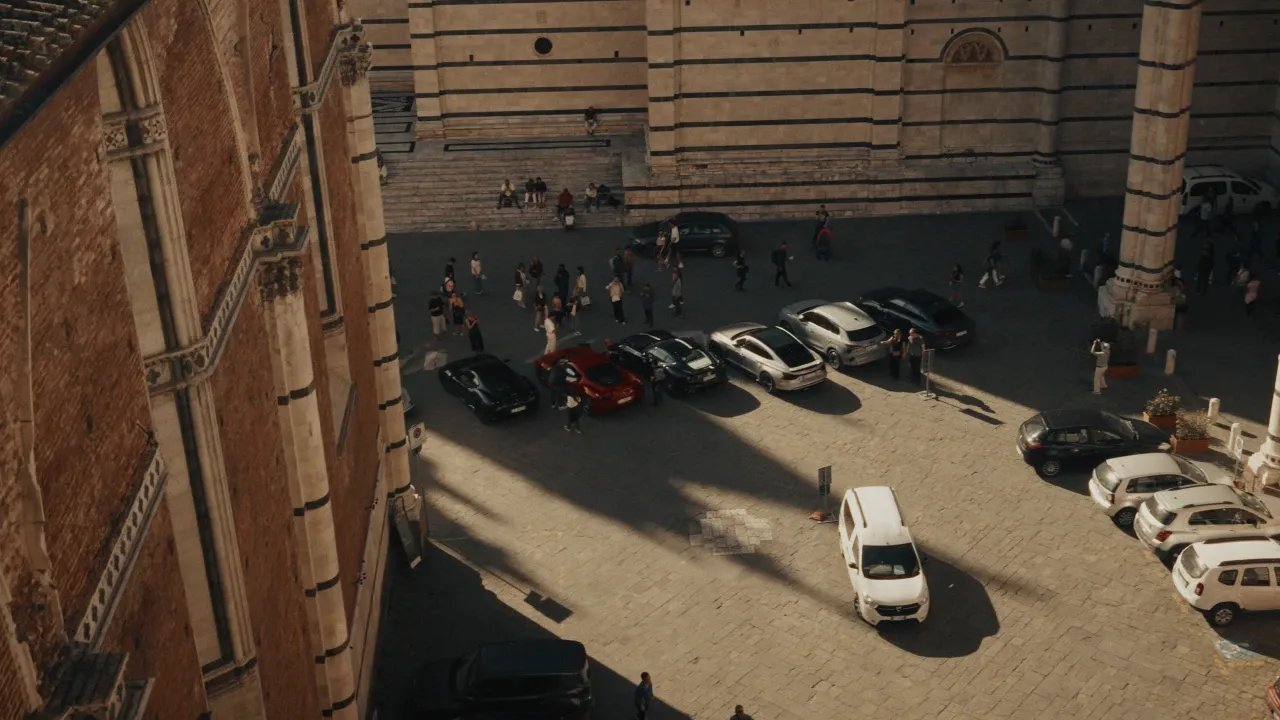
Siena is a city to walk, not to drive. Its historic center is a UNESCO World Heritage site, described by UNESCO as an outstanding medieval city, and almost all of it is closed to ordinary traffic. That makes the weather and the size of the crowds matter more here than in many places. Here is how the year unfolds, month by month.
Spring: the best time to visit Siena for walking (March to May)
March is still cool and can be wet, but the city is calm and the light on the brick facades is soft. By April the days are mild, the hills outside the walls turn green and the cafes in Piazza del Campo fill their outdoor tables again. Easter brings Italian visitors and school groups, so book ahead if your dates fall around it.
May is one of the finest months in Siena. It is warm enough to sit outside in the evening, the countryside is at its greenest, and the summer heat has not arrived. It is also a good month for day trips: the Chianti hills to the north and the Val d'Orcia to the south are both at their most photogenic.
Summer and the Palio (June to August)
June is warm and long, with busy weekends but still pleasant evenings. July and August are hot, and the stone city holds the heat. Plan walks for the morning and evening, and keep the middle of the day for the cathedral, a museum or a long lunch.
Summer is also the season of the Palio, the horse race around Piazza del Campo that has defined Siena for centuries. It is run twice a year, on July 2 and August 16. Ten of the city's seventeen contrade, its historic districts, take part in each race, and the days before are filled with trial races, processions and contrada dinners.
Visiting during the Palio
Watching from the center of Piazza del Campo means arriving early: the square fills up well before the race, and once it is closed you cannot leave until it is over. Bring water and sun protection. Rain can postpone the race by a day.
If you want to avoid the Palio
The days around July 2 and August 16 are the most crowded of the year in Siena, and hotels fill quickly. If the race is not your reason to come, plan around those dates. Mid-August is also the peak of the Italian summer holidays.

Autumn: harvest season in the hills (September to November)
September is warm, golden and a little calmer once the summer crowds leave. In the hills around Siena, especially in the Chianti Classico area to the north and around Montalcino to the south, the grape harvest usually takes place between September and October, with the exact dates moving each year with the weather. It is a beautiful time to combine the city with a day among the vineyards, but book estate visits ahead, because harvest weeks are busy for winemakers.
October is often the sweet spot: mild days, cool evenings, the vines turning color and far fewer visitors in the streets. November brings more rain, shorter days and the new olive oil, along with the quietest weeks of the year in the city.
Winter: a quiet medieval city (December to February)
Winter in Siena is cold, damp at times and very quiet. Some days are gray; others are bright and crisp, with clear views from the city walls over the hills. December has a festive atmosphere, with lights in the streets, while January and February are the calmest months of all.
For travelers who care most about the art and architecture, winter is underrated. The cathedral, the museums and Piazza del Campo are far less crowded, and you can linger in front of the frescoes without being moved along. Check the official sites for opening times, which are often shorter in winter.

Siena and the countryside around it
Whichever month you choose, Siena is at its best when you also leave it for a day. The Val d'Orcia, a UNESCO World Heritage landscape to the south, and the Chianti hills to the north are both within easy reach, and each season changes them as much as it changes the city.
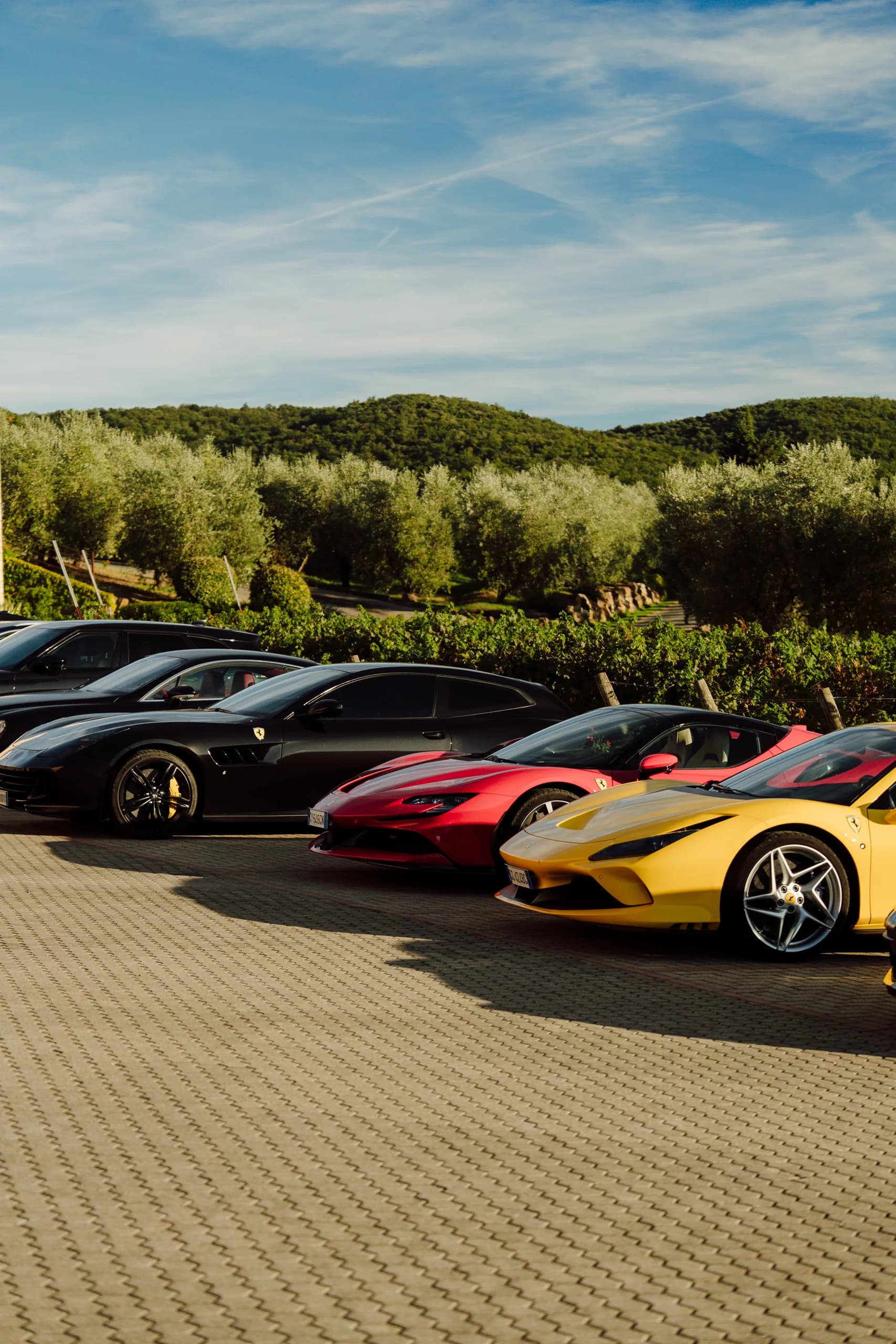
Rocca d'Italia's driving days in the Val d'Orcia start from Siena: The Roads of Val d'Orcia, in a supercar, and Dolce Vita in Val d'Orcia, in a classic car, both through San Quirico d'Orcia, Pienza and Bagno Vignoni and both for your group only. Send us your dates and we reply with a proposal within about 48 hours.
Questions about the best time to visit Siena
What is the best month to visit Siena?
May, September and October are the best months for most travelers. The weather is comfortable for walking, the crowds are manageable and the countryside around the city is at its best.
When is the Palio di Siena?
The Palio is run twice a year in Piazza del Campo, on July 2 and August 16. Rain can postpone a race by a day, so check the city's official announcements if your plans depend on it.
Is it worth visiting Siena during the Palio?
Yes, if you want to see the city at its most intense, but expect huge crowds, full hotels and a long wait in the square. If the race is not your goal, choose different dates.
Is Siena too hot in summer?
July and August are hot, and the stone streets hold the heat. It is manageable if you walk in the morning and evening and spend the middle of the day indoors.
Is Siena worth visiting in winter?
Yes, for travelers who want quiet. The city is calm, the cathedral and museums are uncrowded, and clear days offer long views over the hills. Some opening times are shorter.
When is the grape harvest near Siena?
Usually between September and October, depending on the weather each year. The Chianti Classico area to the north and Montalcino to the south are the closest wine areas.