The best Brunello wineries to visit are the ones that show you something different from each other: one estate on the cooler northern slopes near the town and one in the warmer south, or a small family cellar paired with a larger house. Two visits in a day is the right number, both booked in advance, ideally with a driver.
Rather than a ranking, which changes with every vintage and every critic, this guide explains how to choose. It covers what Brunello is, how the zones around Montalcino differ, what to expect from small and large producers, and how to plan a day that leaves you wanting more rather than tired of tasting.
What makes Brunello different
Brunello di Montalcino is made from Sangiovese alone, with no blending, from vineyards within the municipality of Montalcino, south of Siena. The rules require at least two years in wood and a period in bottle, and the wine cannot be released until the January of the fifth year after the harvest; the Riserva waits a year longer.
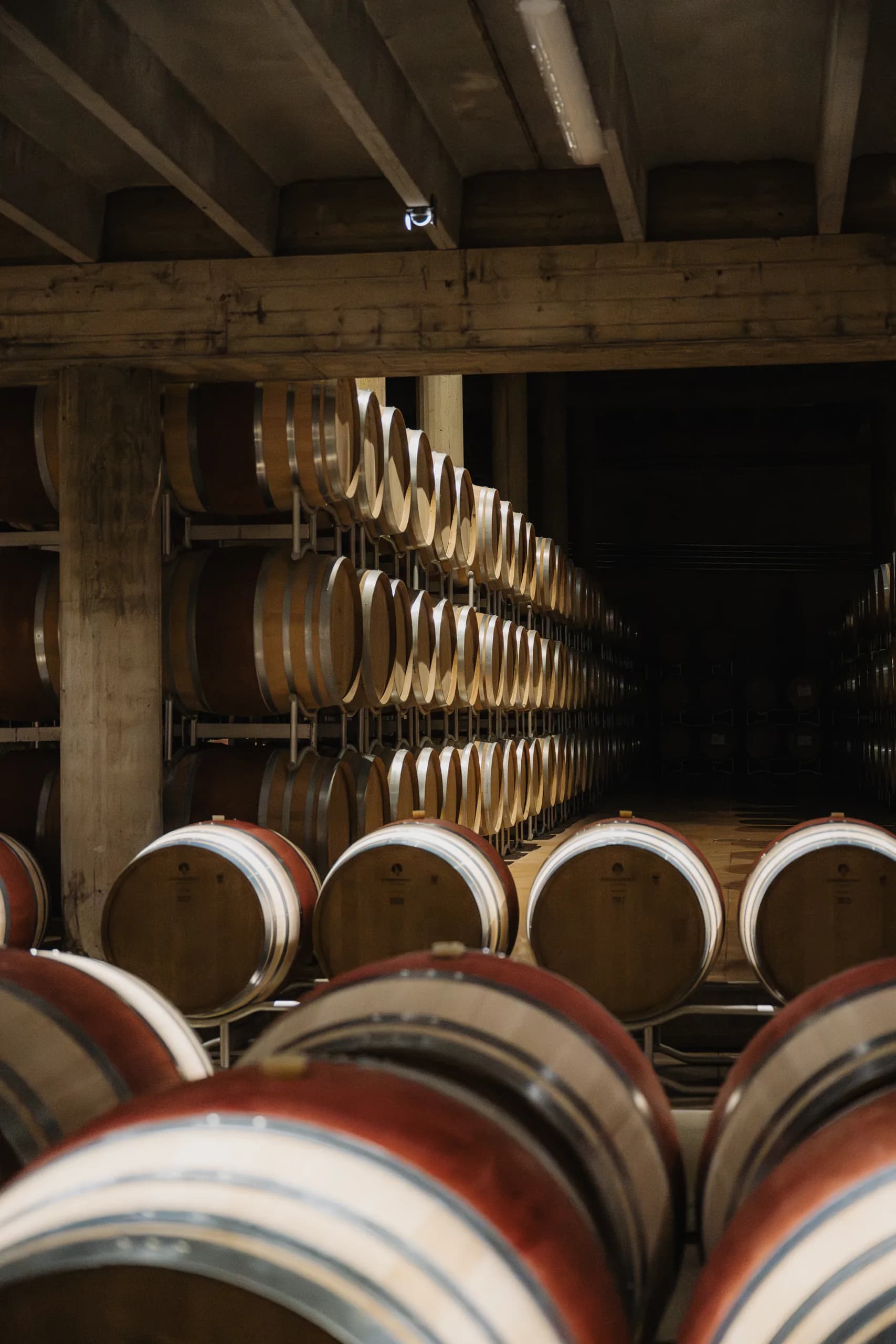
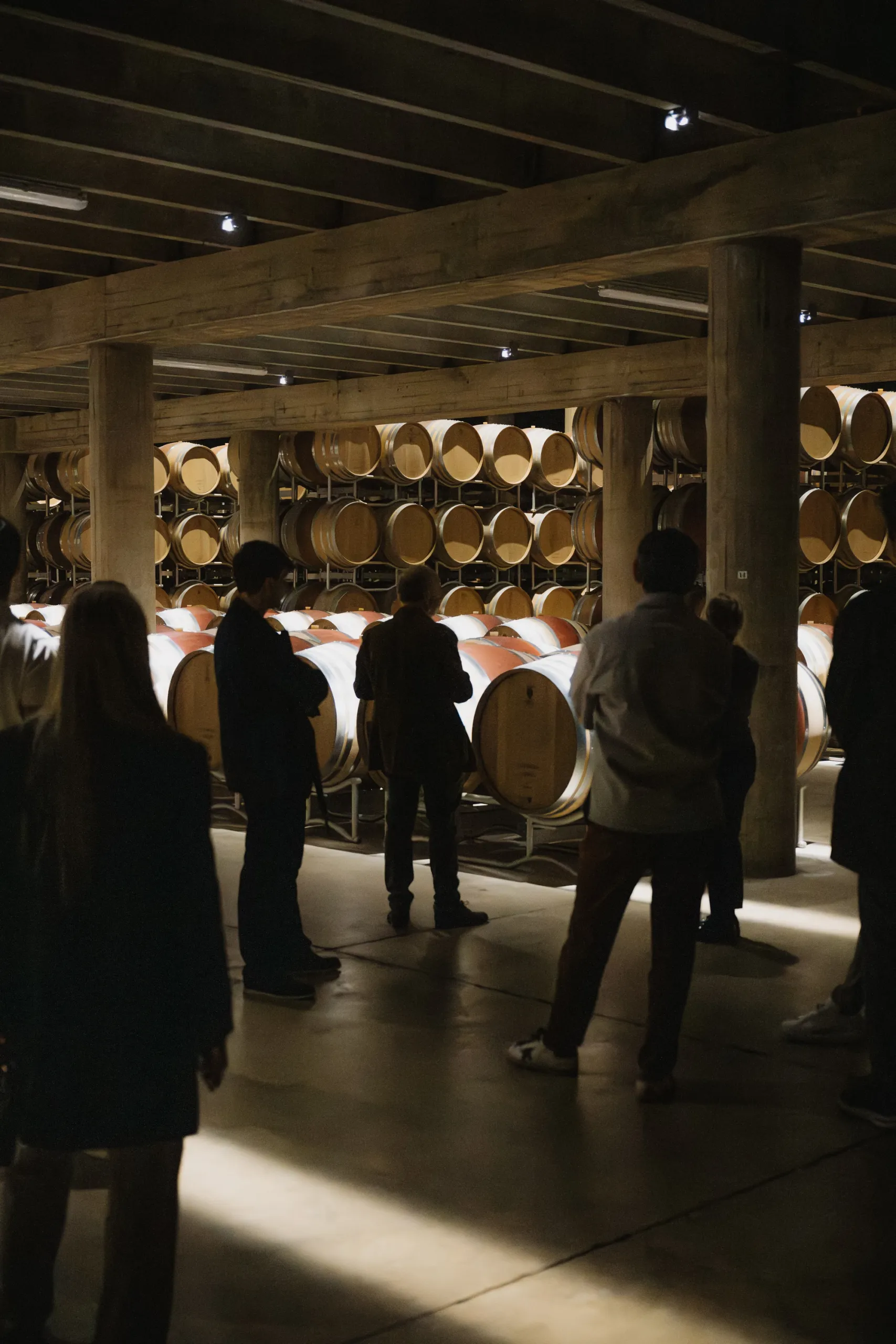
That long aging is why a cellar visit in Montalcino feels different from one in Chianti. You walk past casks holding several vintages at once, and many estates also pour Rosso di Montalcino, the younger wine from the same grape, which helps you understand what time does to Sangiovese.
It also explains why visits here tend to be unhurried. A producer showing you a Brunello has lived with that vintage for years before it reaches the bottle, and the conversation usually turns to the weather of particular years, the choice between large casks and smaller barrels, and how the wine will change in your cellar. Come with a few questions and a vintage you have enjoyed at home; it changes the tone of the visit.
Choosing the best Brunello wineries to visit by zone
Montalcino has no official subzones, but producers and critics talk about distinct areas. For a visitor, the zones are the most useful way to choose two estates that contrast.
Around the town and the north
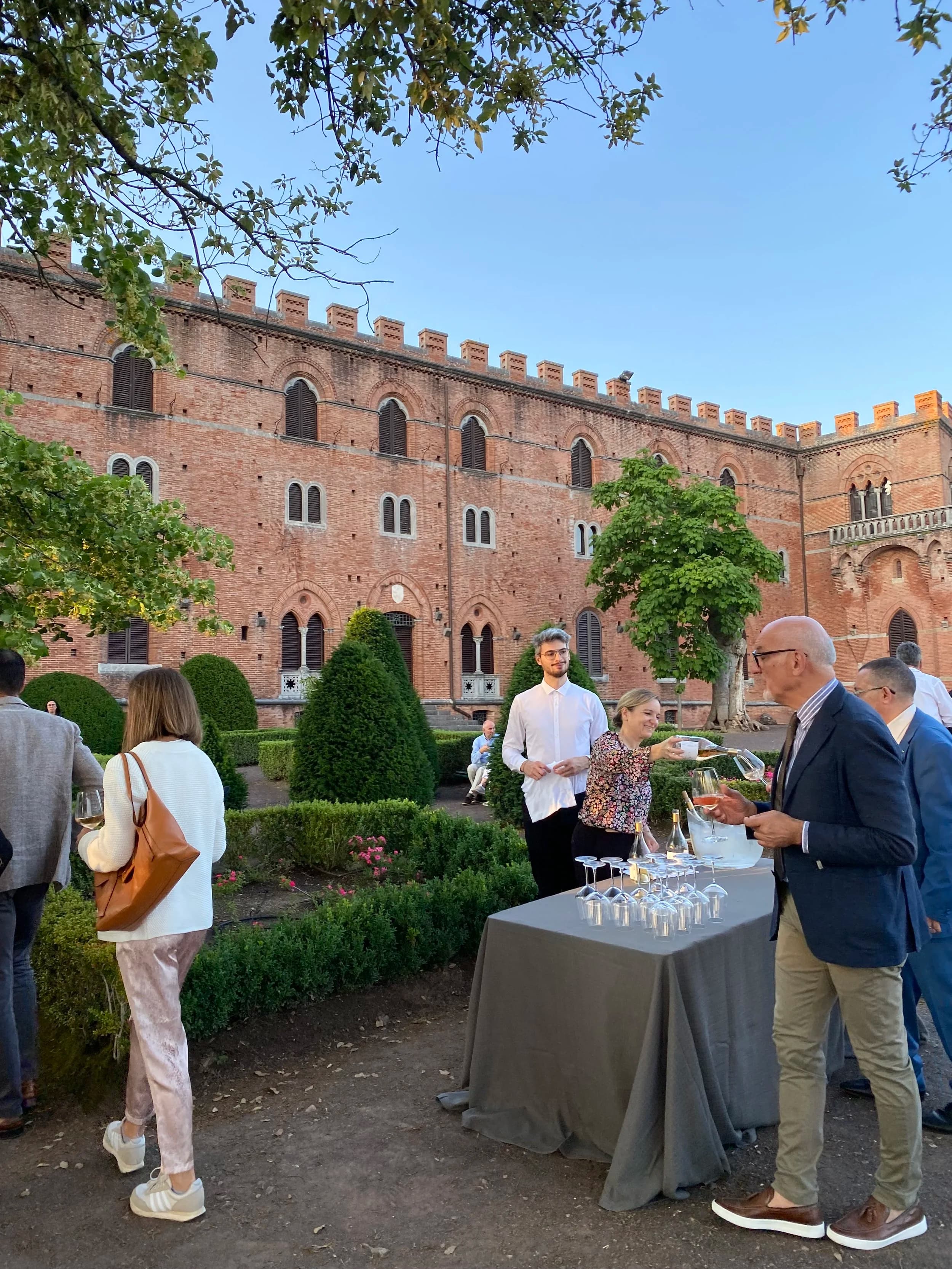
The slopes near Montalcino itself and to the north are generally higher and cooler. Wines from here are often described as more perfumed and elegant, with firm acidity. Estates are close to town, which makes them easy to combine with a walk through Montalcino.
Castelnuovo dell'Abate and the south-east
Around the hamlet of Castelnuovo dell'Abate, near the Abbey of Sant'Antimo, is one of the warmest corners of the appellation. The wines are often described as balancing power and elegance. The abbey makes a natural stop between two visits.
Sant'Angelo in Colle and the south-west
The south-western side, around the hilltop village of Sant'Angelo in Colle, is another distinct area. Its wines are often richer and more generous in fruit. The higher vineyards near the village and the lower, hotter ones toward the valley can taste quite different.
Small family cellars or larger houses
A small family estate usually means a visit led by the owner or a member of the family, a short walk through the vineyard and the cellar, and a tasting at a kitchen table or in a small room. It is personal and often the most memorable part of a trip, but the schedule is tight and the wines are made in small quantities.
Larger houses have dedicated hospitality teams, tasting rooms, sometimes restaurants and museums, and a wider range of wines. Visits are more structured, and availability is generally easier to find. They are a good choice if your group is larger or wants lunch on site.
Pairing one of each works well: a more polished visit in the morning and a more intimate one in the afternoon, or the reverse. It also gives you two very different stories about the same grape.
Booking ahead and planning the day
Most Montalcino estates receive visitors by appointment only, and several of the most famous are hard to get into at all. The usual first step is an email to the winery, and replies can take a few days, so start two or three months ahead for spring and autumn. The harvest period is the busiest of the year for the cellar team.
Plan two visits with lunch in between. Each tasting lasts longer than you expect once you add the walk through the vineyards and cellars, and the roads between estates are slow and winding. A third visit usually means rushing the first two.
Think about the drive before you think about the wines. Italy's drink-driving limits are strict, the roads are narrow, and Brunello is a substantial wine. A private driver lets everyone in the group taste, and lets you ask the cellar master questions instead of watching the clock.
Brunello, arranged for you
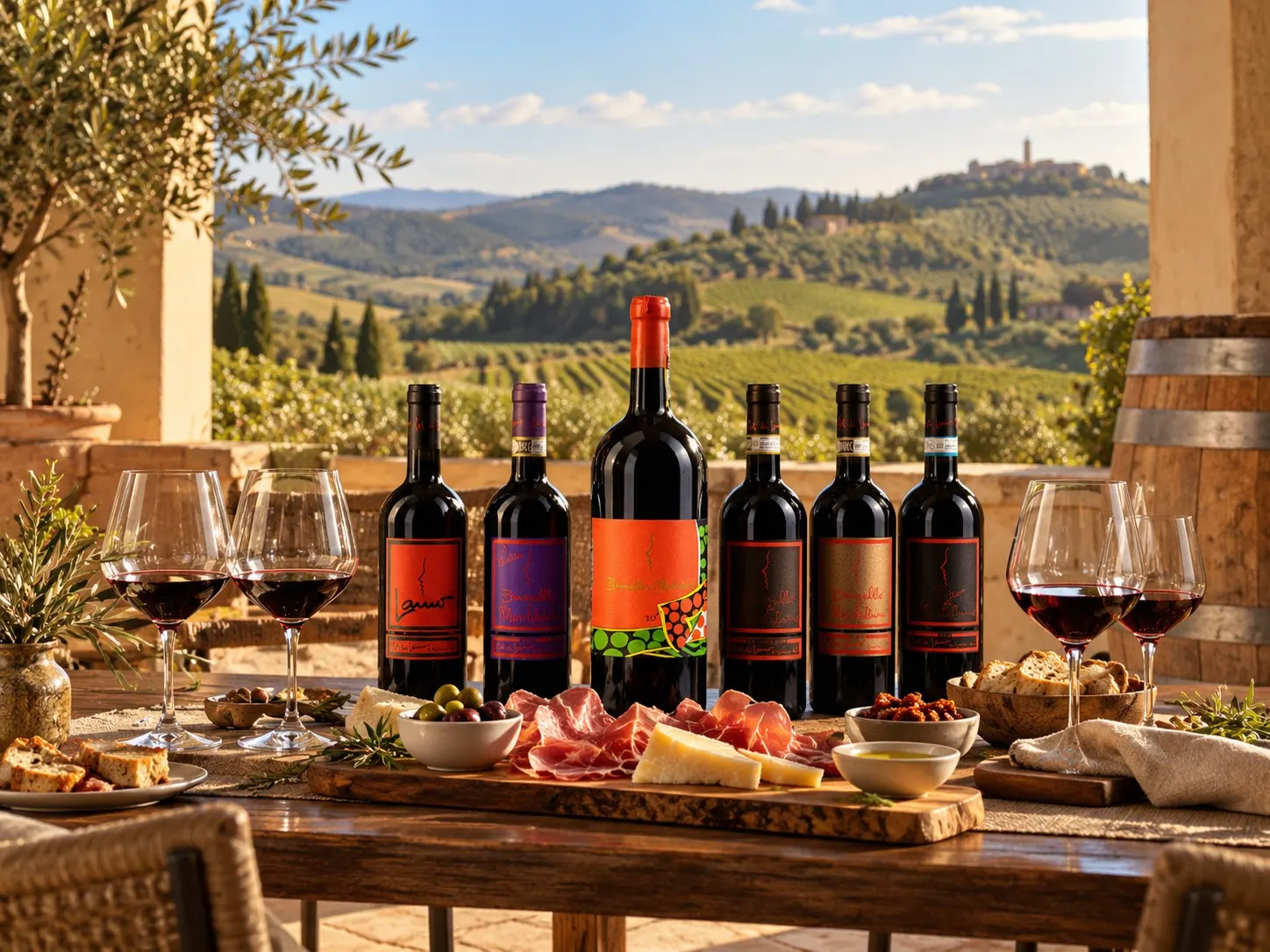
Rocca d'Italia runs two private Brunello days from Siena with a chauffeur: Brunello at Casanova di Neri, in Montalcino, and Two Faces of Brunello, which pairs Col di Lamo with Casanova di Neri to show two different sides of the same wine. Visits are booked for your group only, and you receive a proposal with the estimate within about 48 hours of asking.
Questions about visiting Brunello wineries
Do you need reservations for wineries in Montalcino?
Yes, almost always. Most estates receive visitors by appointment only, and some of the best known are booked well in advance. Email the winery early and confirm the details a few days before the visit.
How many Brunello wineries can you visit in a day?
Two is the comfortable number, with lunch in between. Each visit includes a walk through vineyard and cellar as well as the tasting, and the roads between estates are slow. Three visits usually means rushing.
What is the difference between Brunello and Rosso di Montalcino?
Both are made from Sangiovese grown in Montalcino. Brunello is aged much longer and released only in the fifth year after the harvest, while Rosso di Montalcino is released younger and is lighter and fresher. Many estates pour both.
Where is the best area to stay for Brunello wineries?
Montalcino itself or the countryside around it puts the estates within a short drive. Siena is about an hour away and works well as a base if you combine wine with other parts of Tuscany.
Can you visit Montalcino wineries without a car?
Public transport to the estates is very limited, since most sit on country roads outside the town. A private driver or an organized day is the practical way to visit, and it means everyone can taste.