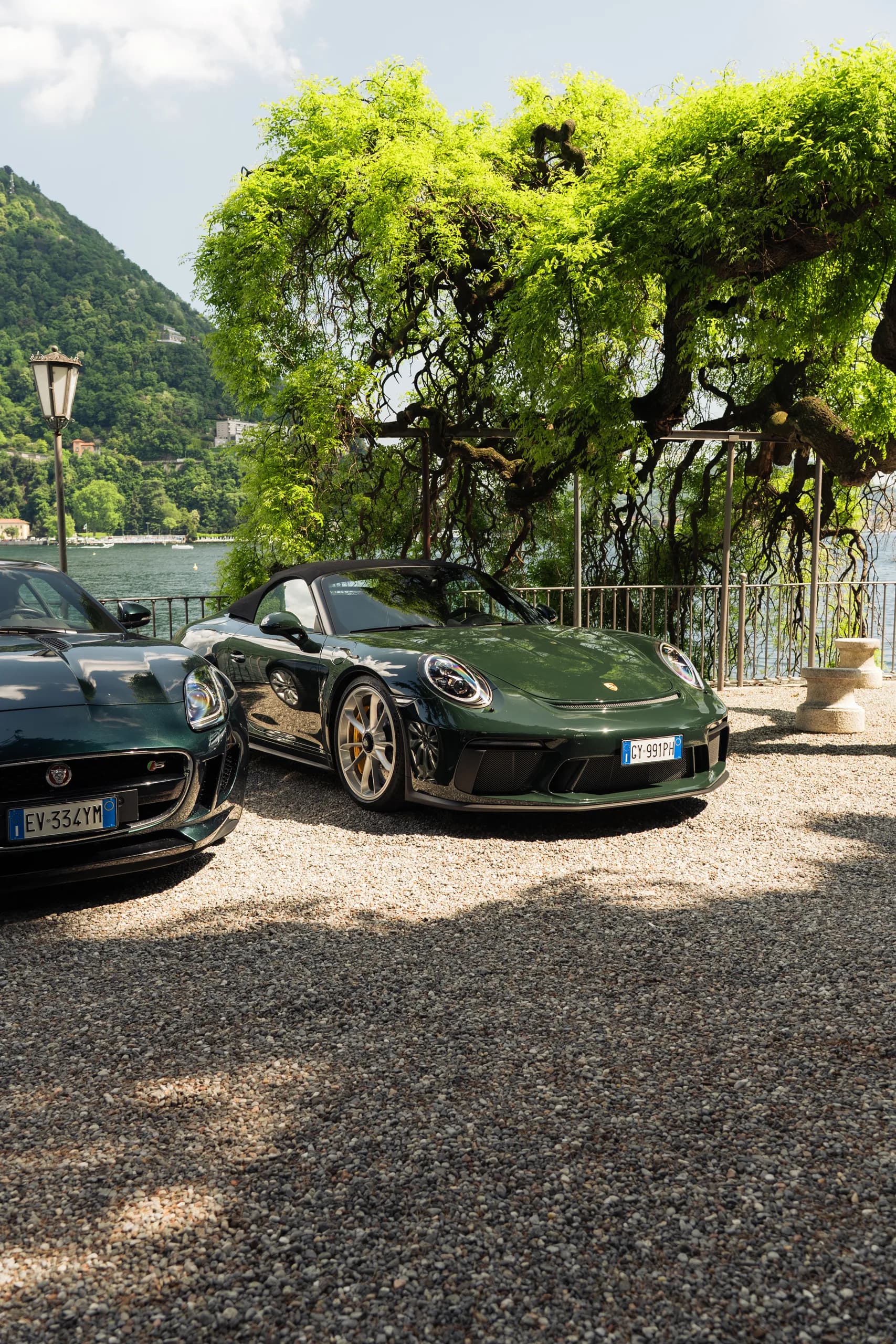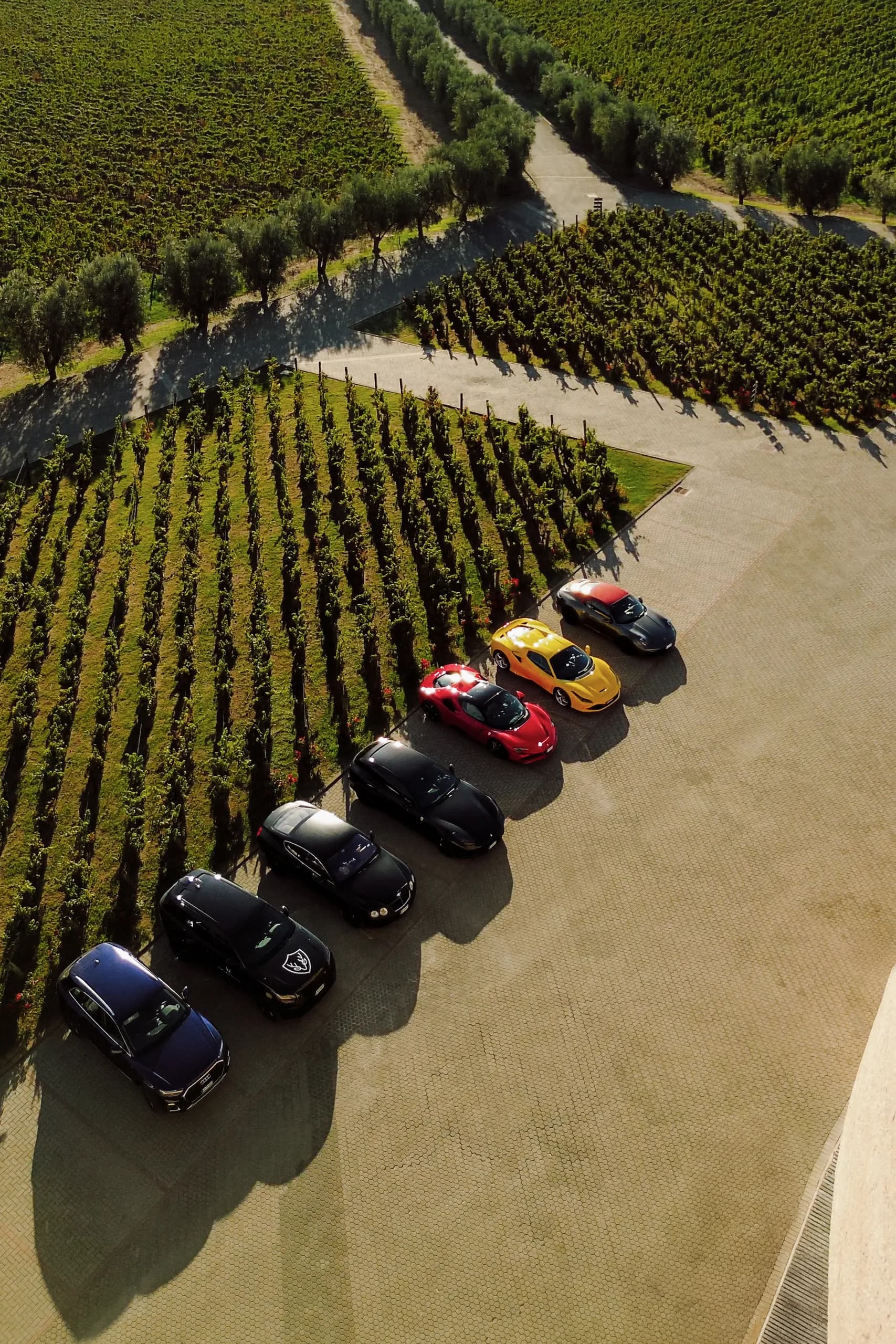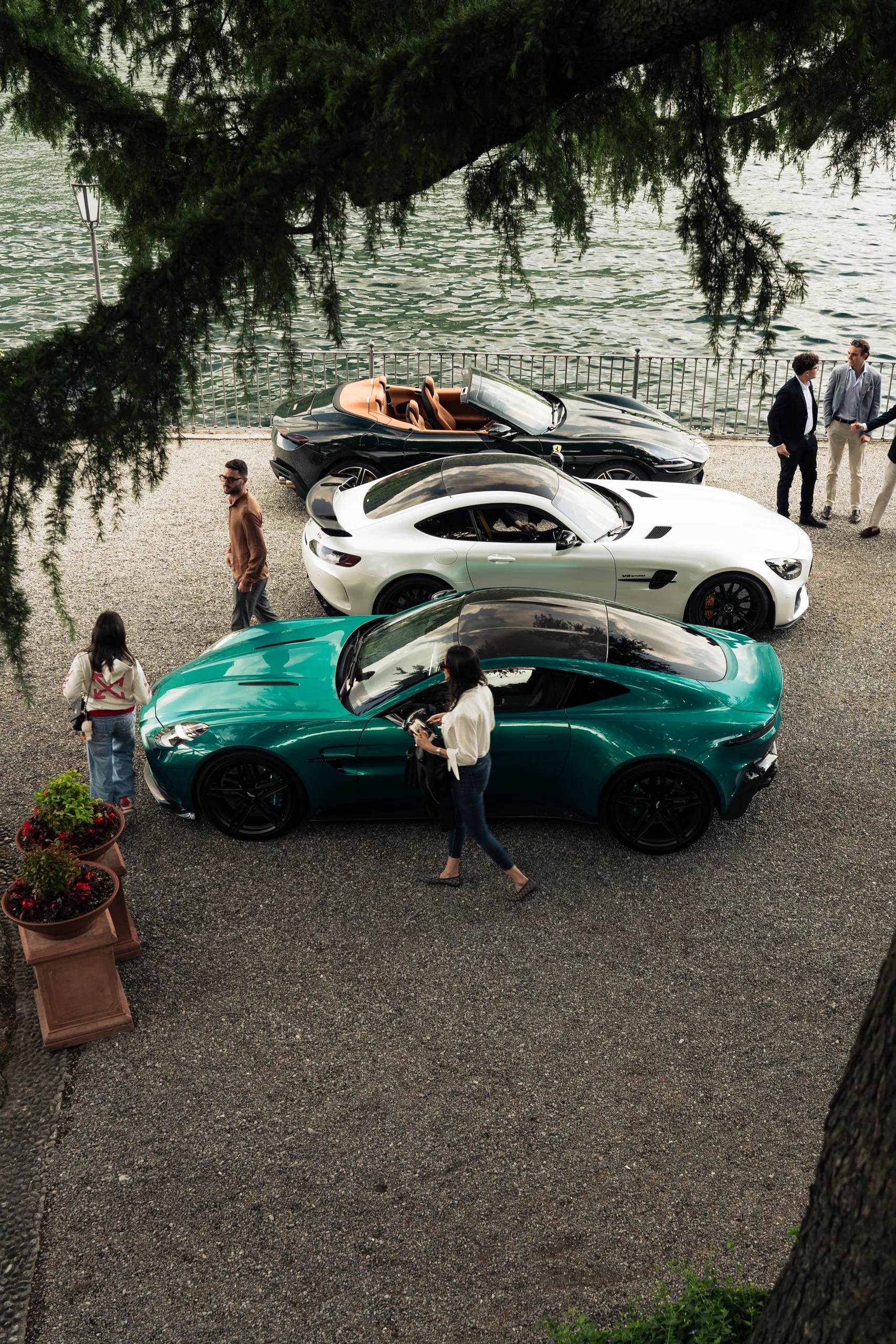
This 10 day northern Italy itinerary covers four places and no more: three nights on Lake Como, three in Florence, and four in the Tuscan countryside split between Chianti and the Val d'Orcia. It leaves Rome out on purpose. Ten days is enough to see Italy's north properly or to rush through the whole country, and this plan chooses the first.
It is written for travelers flying from the United States, which shapes everything: the first day is lost to jet lag, the order of stops follows the rail line south, and the slowest part of the trip comes at the end, when you have adjusted and can enjoy it. Adjust the nights to your taste, but keep the sequence.
Why this order works
Most transatlantic flights to the north land in Milan, and Lake Como is a short hop from the city. Starting at the lake means your first two days are spent somewhere calm, with water and gardens and no museum queues, which is exactly what a jet-lagged body needs.
From the lake, the route runs south by high-speed train to Florence, then by road into the hills. Each move is shorter than the last, and the trip gets slower as it goes. Florence is the most demanding stop, so it sits in the middle, after you have rested and before the countryside.
Ending in the Val d'Orcia also helps the flight home. Many travelers book an open-jaw ticket, arriving in Milan and departing from another airport; others return to Milan by train. Compare both before you book, because the right choice depends on your flight options from your home city.
Days 1 to 3: Lake Como
Day 1 is arrival. Trenord trains from Milano Centrale reach Como San Giovanni in under an hour, or a private transfer goes straight to your hotel. Do one thing only: a walk along the lake, an early dinner, a long sleep.
Day 2 is for the center of the lake. The public ferries link Bellagio, Varenna, Menaggio and the villa gardens, and moving by boat is the most relaxing way to see the shoreline. Pick one or two gardens rather than four; Villa Melzi in Bellagio and Villa Carlotta near Tremezzo are the classic choices.
Day 3 is the active day. Walk a stretch of an old mule track above the shore, take the funicular up from Como to Brunate for the view, or spend the day on the road along the western shore. Keep the evening free; you leave the next morning.

Days 4 to 6: Florence
Day 4 is the transfer. High-speed trains from Milan to Florence take around two hours, so you can leave the lake after breakfast and reach Florence in time for a late lunch. Spend the afternoon on an easy walk: the Ponte Vecchio, the Oltrarno, the steps of San Miniato at sunset.
Days 5 and 6 are for the city's great collections and churches. Book timed entries for the Uffizi, the Accademia and the cathedral climbs well ahead, and spread them across the two days rather than stacking them. One museum a morning and a slow afternoon is the pace that keeps Florence a pleasure.
Do not rent a car for Florence. The historic center is a limited traffic zone, and you will not need a car until you leave the city.
Days 7 to 10: Chianti and the Val d'Orcia
The countryside is where the 10 day northern Italy itinerary slows right down. Split it between two bases or stay in one farmhouse between Siena and the Val d'Orcia; either way, plan no more than one main outing a day.
Day 7: Chianti on the way south
Leave Florence for the hills of Chianti Classico, between Florence and Siena. Visit one or two wine estates with a driver, or follow the road through Greve, Radda and Gaiole. Arrive at your countryside base by evening.
Day 8: Siena
Spend the day in Siena, whose historic center is a UNESCO World Heritage Site. Piazza del Campo, the cathedral and the steep lanes of the contrade fill a day easily. Park outside the walls and walk in.
Day 9: the Val d'Orcia
The Val d'Orcia has been a UNESCO World Heritage landscape since 2004. Drive the loop through San Quirico d'Orcia, Pienza and Bagno Vignoni, or spend the day in Montalcino with a Brunello estate. Choose one; both together is too much.
Day 10: a rest day
Leave the last full day open. A long lunch, the pool, a walk through the fields. If you leave tomorrow by train or plane, this is the day that makes the flight home easier.

Pacing tips for travelers from the US
Expect to be tired on day 1 and sharp by day 3. Put nothing that requires a reservation on your arrival day, and use the lake to reset your body clock with daylight and walking.
Two travel days in ten is the maximum that still feels like a holiday. This plan has them on day 4 and, in practice, day 7, and both are short. Resist adding Venice, the Cinque Terre or Rome; each one costs a travel day and turns the trip into a tour of train stations.
In the countryside, the question is who drives. Roads are narrow and winding, small town centers are closed to traffic, and wine estates pour generously. A driver for the wine days and a car you enjoy for the scenic days is the balance many travelers end up choosing.
Making the most of the lake and the hills
Two of these days can be spent at the wheel. Rocca d'Italia runs Lake Como Shores, a private supercar day you drive along the western shore of the lake, and in Tuscany the Brunello Road from Siena, plus private chauffeured wine days in Chianti Classico. For a plan that stitches all ten days together, ask for a tailor-made proposal.
Questions about a 10 day northern Italy itinerary
Is 10 days enough for northern Italy?
Yes, if you keep to three or four bases. Ten days covers Lake Como, Florence and two areas of the Tuscan countryside at a comfortable pace. Adding Venice or Rome is possible but turns the trip into a series of transfers.
Should I start in Lake Como or Florence?
Start at Lake Como if you fly into Milan. It is close to the airport, quiet enough for jet lag, and the train south to Florence follows naturally. Starting in Florence makes sense only if your flight lands there or in Rome.
How do you get from Lake Como to Florence?
Take a train or transfer from Como to Milan, then a high-speed train from Milan to Florence, which takes around two hours. With an early start you reach Florence by lunchtime.
Do I need a car for this itinerary?
Not for Lake Como or Florence. In the Tuscan countryside a car or a driver makes things much easier, because the villages and wine estates are poorly served by public transport.
Where should I stay in Tuscany for four nights?
A farmhouse or country hotel between Siena and the Val d'Orcia keeps both Chianti and the southern valleys within reach. If you prefer two bases, split two nights in Chianti and two near Pienza or Montalcino.